

The AI‑Infused Narrative Wave
When I first experimented with large‑language models to draft story arcs, I discovered that the real power lies not in the raw output but in the collaborative choreography between human intuition and machine suggestion, a dance that reshapes the very scaffolding of modern storytelling and forces us to rethink the role of the author as a conductor rather than a sole creator; this shift invites brands to weave hyper‑personalized narratives at scale, delivering content that feels handcrafted for each reader while still maintaining the efficiency demanded by today’s publishing calendars. AI‑driven narrative engines now enable us to generate multiple plot variations, tone adjustments, and cultural nuances within minutes, allowing marketers to A/B test entire storylines rather than isolated headlines, and the resulting data‑rich feedback loop fuels ever‑more refined creative decisions that keep audiences hooked.
Micro‑Video Essays for the Attention Economy
In the relentless quest for eyeballs, I’ve found that the sweet spot between TikTok’s rapid bursts and YouTube’s long‑form deep dives is the micro‑video essay, a format that delivers a concise, visually rich argument in under two minutes while still providing enough depth to satisfy intellectually curious viewers; this hybrid demands a meticulous blend of scriptwriting precision, kinetic typography, and purposeful pacing, turning each frame into a persuasive paragraph that can be consumed on a commuter’s phone or a coffee break without sacrificing nuance. By treating every second as a miniature paragraph, creators can embed data visualizations, quick interviews, and on‑screen citations that collectively elevate the piece from mere entertainment to a credible knowledge asset.
Audio‑Centric Communities and Live Soundscapes
My recent immersion in audio‑first platforms revealed that listeners are gravitating toward immersive soundscapes that blend live discussions, ambient audio, and curated playlists, forming communities that value intimacy and real‑time interaction over static written posts; these spaces thrive on the human need to hear authentic voices, and they reward creators who can orchestrate seamless transitions between storytelling, expert panels, and ambient background tracks that reinforce the narrative mood. Leveraging this trend, brands can host “sound‑bites” sessions where product insights are delivered through layered audio experiences, allowing listeners to absorb information while multitasking, and the resulting engagement metrics often surpass traditional video or text formats.
Interactive Knowledge Maps as Shareable Assets
When I mapped out a complex industry trend using interactive nodes that users could click to reveal micro‑insights, the experience felt more like navigating a living encyclopedia than scrolling through a static blog, and I quickly realized that these knowledge maps are becoming the new shareable infographics, offering depth without overwhelming the audience; each node can host a short video, a quote, or a data point, and the interconnected design encourages users to explore related concepts organically, increasing time‑on‑page and fostering organic backlinks as readers embed specific map sections into their own content. For marketers aiming to demonstrate expertise, integrating an Data‑Driven Link Building workflow into the map’s analytics can reveal which sub‑topics attract the most external citations, informing future content investment.
Ephemeral Narrative Threads on Social Platforms
While many brands still cling to evergreen posts, I’ve started experimenting with fleeting story threads that disappear after 24 hours, turning scarcity into a compelling narrative device that urges immediate interaction and creates a sense of urgency around brand messaging; these temporary arcs can be woven across multiple platforms, each snippet building on the previous one, culminating in a reveal that drives traffic to a permanent hub where the full story lives. This approach not only taps into the psychological principle of loss aversion but also provides a fresh data set on how audiences respond to time‑bound storytelling versus traditional posts.
Visual Poetry: Data Meets Aesthetics
Combining raw analytics with artistic design, I’ve begun crafting visual poems that translate key performance metrics into lyrical, image‑driven compositions, a method that humanizes numbers and makes performance reports feel like gallery pieces rather than spreadsheets; each stanza corresponds to a specific KPI, using color gradients, typographic flow, and symbolic icons to convey trends at a glance while inviting viewers to interpret the data through an emotional lens. This fusion of art and analytics not only boosts internal stakeholder buy‑in but also offers a shareable asset that can be repurposed across social channels, sparking conversations that bridge the gap between data scientists and creative teams.
Community‑Curated Playlists as Brand Storytelling
Inspired by the rise of user‑generated music collections, I launched a series of brand‑themed playlists where community members submit tracks that resonate with a campaign’s core values, turning the playlist itself into a living manifesto that evolves with each contribution; the collaborative nature of this format fosters a sense of ownership among participants and provides brands with authentic cultural touchpoints that can be amplified through social listening tools. By embedding short audio anecdotes alongside each track, creators can weave narrative threads that explain why a particular song aligns with the brand ethos, effectively turning a simple playlist into a multi‑layered storytelling vehicle.
AI‑Enhanced Interactive Quizzes with Real‑Time Feedback
Although quizzes have long been a staple for engagement, integrating AI to adapt questions on the fly based on user responses creates a dynamic experience that feels tailor‑made for each participant, increasing completion rates and delivering richer insights; the AI engine analyzes answer patterns instantly, reshaping subsequent questions to probe deeper into areas of interest while simultaneously providing personalized feedback that educates as it entertains. This real‑time adaptability not only boosts user satisfaction but also generates granular data that can inform product development and content strategy, turning a simple quiz into a powerful research instrument.
Ethical Curation and Trust Signals in the Age of Deepfakes
As synthetic media becomes indistinguishable from reality, I’ve made it a priority to embed transparent trust signals—such as cryptographic verification badges and source attribution layers—directly into content pieces, ensuring audiences can verify authenticity without leaving the page; these signals act as digital notaries, reassuring readers that the information they consume has been vetted and is free from manipulation. By adopting a proactive stance on ethical curation, brands not only protect their reputation but also differentiate themselves in a crowded market where trust is fast becoming the most valuable currency.
Future‑Focused Content Playbooks for Agile Teams
To keep pace with the rapid evolution of these trends, I’ve compiled a flexible playbook that equips agile teams with a modular framework for testing, measuring, and scaling new content formats, emphasizing rapid prototyping, cross‑functional collaboration, and iterative learning cycles; the playbook encourages teams to allocate dedicated “innovation sprints” where they can experiment with emerging formats—be it micro‑video essays, interactive maps, or AI‑driven quizzes—without compromising core production schedules. By institutionalizing experimentation, organizations can stay ahead of the curve, turning curiosity into a sustainable competitive advantage and ensuring that every new format is evaluated on both audience impact and ROI.

Related Posts

Immersive Content: How AR, VR, and Live Interactivity Are Redefining Brand Storytelling
Discover why AR, VR, and live interactive streams are the new frontier of content, and how brands ca... Read More
The Evolution of Content Trends: Strategies for Success in 2024 and Beyond
Discover the latest content trends shaping the future of digital marketing. Learn how to leverage SE... Read More

Interactive Content: The Next Frontier for SaaS Engagement
Interactive content—like calculators, assessments, and product configurators—is reshaping SaaS m... Read More
Top Posts
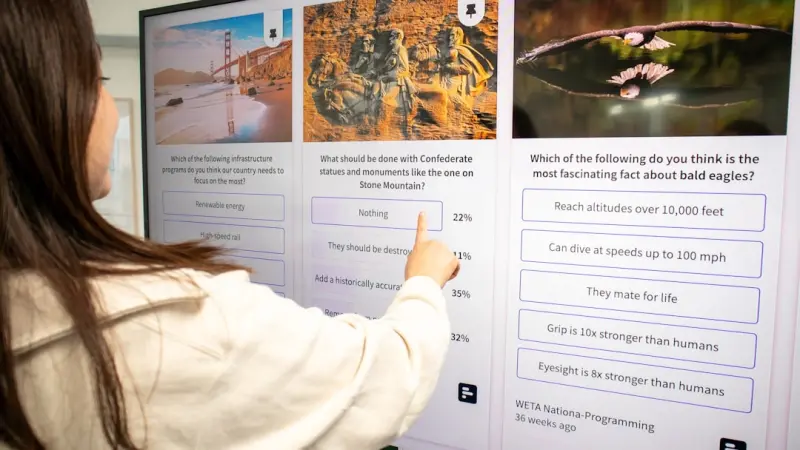
The Next Wave: Adaptive Content Experiences for SaaS
Adaptive content turns static SaaS pages into living, personalized experiences by using modular blocks, AI prompting, and real‑time data, delivering higher co...Read More
The Evolution of Content Marketing: Strategies for Success in a Changing Landscape
Discover the evolution of content marketing and actionable strategies for success in a changing landscape. Learn how to adapt and drive engagement, conversions,...Read More
Beyond Backlinks: Building a Resilient Link Network for SaaS Growth
A fresh, community‑first framework shows SaaS marketers how to turn product docs, user‑generated content, and marketplace partnerships into a powerful, self...Read More
Mobile SEO Playbook: Turning Tiny Screens into Big Wins
Discover a comprehensive mobile SEO playbook that covers intent, structured data, Core Web Vitals, international targeting, and future AI-driven search trends f...Read More
0 Comments
Post Comment
You will need to Login or Register to comment on this post!