

Why Employee Advocacy Is the Missing Link in Your Social Media Strategy
When I first mapped out a social media calendar, I treated every post like a solo performance. Over time I realized that the real power comes when the whole team takes the stage. Employee voices add authenticity that no brand‑owned account can fake, and they reach networks that marketers simply don’t have access to. This shift from a brand‑centric to a people‑centric approach flips the algorithm in your favor, because platforms reward genuine engagement over polished promotion.
Building a Sustainable Advocacy Program from the Ground Up
The first step is to create a simple, repeatable framework that anyone can follow. I start with a clear mission statement: “Share our story, amplify our impact.” From there, I design a “content toolkit” that includes ready‑made visuals, suggested copy snippets, and a quick‑reference guide on tone. By removing the friction of “what should I post?”, I empower even the most reluctant employee to hit “share” with confidence. The toolkit lives in a shared folder, and I encourage teams to personalize it with their own anecdotes.
Aligning Brand Voice Without Stifling Individuality
One fear managers have is losing control over the brand narrative. The solution is to define a core messaging matrix that outlines key themes, values, and approved language. Within that matrix, each employee can inject their personal flair—whether that’s a humorous anecdote, a behind‑the‑scenes photo, or a quick video. I call this “guided freedom,” and it strikes a balance between consistency and authenticity. When the team sees how their unique stories fit the larger puzzle, they become invested advocates rather than reluctant messengers.
Leveraging Social Listening to Guide Employee Content
To keep advocacy relevant, I turn to real‑time data. By monitoring brand mentions and industry chatter, I can surface hot topics that employees can weigh in on. This is where social listening for employee advocates becomes a game‑changer: it supplies a steady stream of conversation starters that feel timely and valuable. When an employee shares insight on a trending discussion, the post gains traction faster because it taps into existing momentum.
Amplifying Employee Voices with Voice‑First Storytelling
Audio is exploding across platforms, and it offers a low‑barrier way for staff to showcase expertise. I encourage team members to record short “voice clips”—a quick tip, a customer success story, or a behind‑the‑scenes moment—and post them on Instagram Stories or LinkedIn native audio. This approach aligns perfectly with voice‑first storytelling, letting personal narratives cut through the visual clutter. The result is a richer, more diverse feed that feels human and immediate.
Measuring Impact Without Getting Lost in the Numbers
Metrics should inform, not overwhelm. I track three core indicators: reach (how many unique eyes see the content), engagement rate (likes, comments, shares per impression), and referral traffic (clicks back to our owned channels). Rather than obsess over vanity metrics, I tie each KPI to a business outcome—lead generation, talent attraction, or brand sentiment. Quarterly dashboards highlight top‑performing advocates, allowing us to celebrate wins and replicate successful patterns across the organization.
Common Pitfalls and How to Avoid Them
Even the best‑intentioned programs can stumble. The first trap is over‑mandating posting frequency, which breeds resentment and token shares. Instead, I set a soft goal—one authentic post per month—and let enthusiasm drive frequency naturally. The second mistake is neglecting training; a brief workshop on platform best practices clears up misconceptions and builds confidence. Finally, forgetting to recognize contributors erodes momentum; I make it a habit to spotlight “Advocate of the Month” in our internal newsletter and on the company page.
Future‑Proofing Your Advocacy Engine
The social landscape evolves, but employee advocacy remains evergreen because it hinges on human connection. To stay ahead, I experiment with emerging formats like short‑form reels, interactive polls, and even augmented reality filters that showcase product usage. I also integrate advocacy into onboarding, turning the program into a lifelong habit rather than an after‑thought. By continuously iterating the toolkit, listening to feedback, and aligning with broader business goals, the advocacy engine becomes a self‑sustaining growth catalyst.
Actionable Checklist to Launch Your Program Today
- Define a clear mission and messaging matrix.
- Build a content toolkit with visuals, copy, and guidelines.
- Set up a social listening dashboard for timely topics.
- Train the team on voice‑first formats and platform basics.
- Establish three core KPIs and a quarterly reporting cadence.
- Celebrate successes publicly to reinforce participation.
- Iterate quarterly based on data and employee feedback.

Related Posts

Social Media Governance: Turning Chaos into a SaaS Growth Engine
Discover why social media governance is the missing link for SaaS marketers, and get a step‑by‑s... Read More

From Playbooks to Performance: Building a Scalable Social Media Strategy
Learn to build a scalable social media playbook that aligns marketing and sales, leverages employee ... Read More
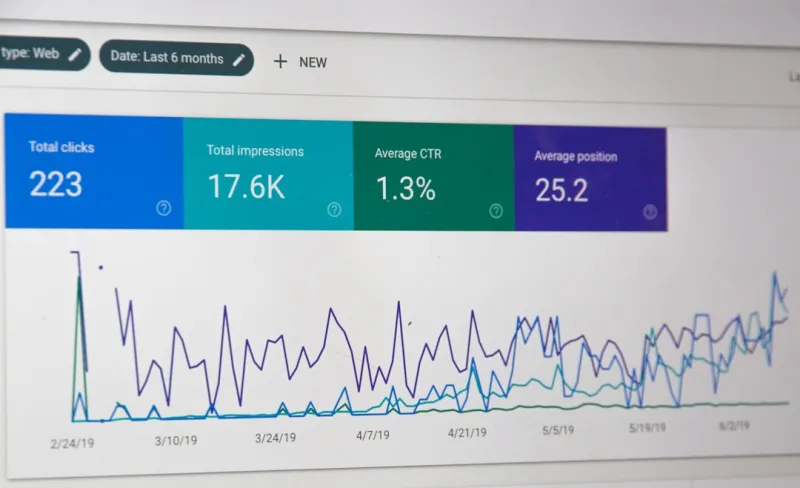
Revolutionizing Social Media Strategy: How SEO and Content Marketing Converge
A well-planned social media strategy paired with a robust SEO approach and high-quality content mark... Read More
Top Posts

Designing a Content Governance Engine for Scalable SaaS Growth
A deep dive into why content governance is the missing link for SaaS growth, outlining strategic intent, operational blueprints, performance guardrails, and a p...Read More
Local Influencer Partnerships: A Hidden SEO Engine
Learn why local influencers are the secret weapon for SEO, how to pick the right partners, and the measurable impact they can have on your rankings and traffic....Read More

Unlocking Hidden SEO Power on LinkedIn: Recommendations, Articles, and Groups
Learn to turn LinkedIn recommendations, articles, and group activity into powerful SEO assets that elevate your profile and drive organic traffic....Read More

Embracing the Future of SEO: Strategies to Stay Ahead of the Curve
Stay ahead in SEO with the latest strategies and trends. Learn how to optimize your online presence, drive more traffic, and achieve your goals in the ever-chan...Read More
0 Comments
Post Comment
You will need to Login or Register to comment on this post!