
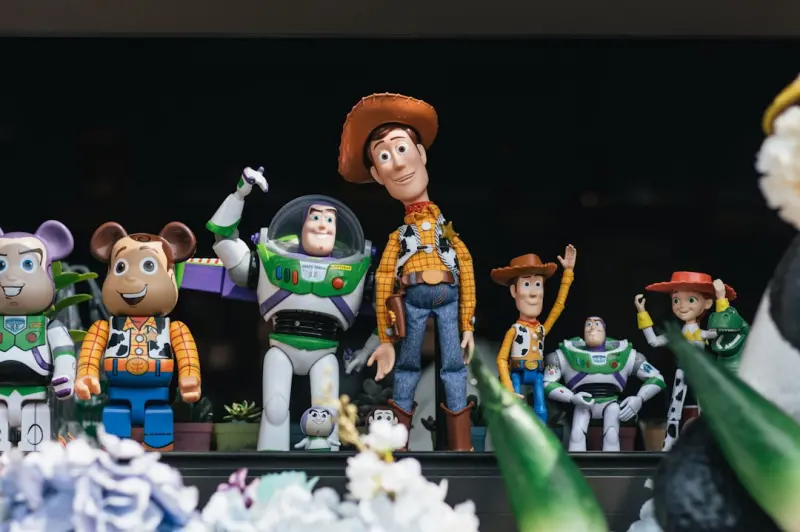
The Untapped Power of Cultural Diversity in Toy Design
When I was a kid, the toys that captured my imagination were the ones that felt oddly familiar yet exotic— a wooden doll wearing a patterned sari, a miniature wooden truck painted in bright, unfamiliar colors, a set of blocks stamped with symbols I’d never seen. Those moments planted a seed: play is a universal language, but it’s also a vivid map of the cultures that shape us. Today, that map is expanding at breakneck speed, and toy makers who embrace authentic cultural representation are discovering a fresh well of creativity, loyalty, and market growth.
Why Diversity Matters Beyond the Checklist
Most companies tout “diversity and inclusion” as a corporate responsibility, but in the world of toys, it’s more than a checkbox. It’s a strategic advantage that resonates with children and parents alike. When a child sees a toy that mirrors their own heritage, the play experience becomes affirming; when a child encounters a thoughtfully crafted representation of a different culture, curiosity blooms, and empathy follows. This dual impact fuels both emotional connection and educational value, turning a simple play session into a bridge between worlds.
From Tokenism to Authentic Storytelling
The line between genuine representation and tokenism is razor‑thin. A bright, single‑sleeve shirt on a figurine doesn’t automatically convey depth. Authentic storytelling requires deep research, collaboration with cultural consultants, and, most importantly, a willingness to let the community’s voice steer the design process.
Consider a recent partnership between a major global toy brand and a collective of Indigenous artisans. Instead of merely slapping a tribal pattern onto a plastic figure, the collaboration resulted in a line of wooden toys hand‑carved using traditional techniques, each accompanied by a booklet that tells the story of the maker, the symbolism of the motifs, and the cultural rituals surrounding the toy’s use. The result? Not only did sales surge in regions where the culture is celebrated, but the line also attracted parents seeking meaningful, educational play experiences for their children.
Designing for Global Playgrounds
Globalization means that a toy released in one market will almost instantly travel to another via online marketplaces. Designers must therefore consider how cultural cues translate across borders. This isn’t about watering down cultural specifics; it’s about presenting them in a way that feels accessible yet respectful.
- Color palettes: Certain hues carry specific meanings— red may symbolize luck in East Asia, but mourning in parts of South Africa. A thoughtful palette can convey respect and avoid inadvertent offense.
- Materials: Sustainable, locally sourced materials can echo traditional crafting methods, adding an extra layer of authenticity.
- Play narratives: Embedding folklore, myths, or everyday life scenarios into play scripts invites children to explore stories they might otherwise never hear.
Case Study: A World of Miniatures
One emerging brand recently launched a “World Explorer” mini‑city set that featured landmarks from five continents, each built with architectural nuances true to the original structures. The set included miniature market stalls, traditional clothing dolls, and even a tiny food cart serving region‑specific snacks. The brand didn’t stop at the physical set; they paired it with an interactive app that lets kids scan each piece to unlock short video clips narrated by local storytellers. While the technology element echoes the AI trend discussed elsewhere, the heart of the product remains rooted in cultural immersion rather than gadgetry for its own sake.
The impact was immediate. Retailers reported higher conversion rates among parents who valued “educational value,” and social media buzz highlighted the set’s “beautifully authentic” representation. More importantly, children from the represented cultures expressed pride in seeing their heritage celebrated on a global platform.
Balancing Commercial Success with Cultural Sensitivity
Monetary incentives are undeniable—diverse toys tap into underserved markets, expand global reach, and differentiate brands in a crowded shelf. However, the pursuit of profit should never eclipse respect for the cultures being depicted. Here are three guiding principles for navigating that balance:
- Co‑creation over extraction: Involve community members from the outset. Their input ensures the final product reflects lived experiences rather than an outsider’s interpretation.
- Transparent storytelling: Include clear credits, origin stories, and even profit‑sharing models where feasible. Transparency builds trust and signals that the brand values partnership over appropriation.
- Iterative feedback loops: Release limited editions, gather community feedback, and iterate. This not only fine‑tunes the product but also demonstrates a long‑term commitment to cultural respect.
The Business Case: Numbers That Speak
Market research indicates that parents are increasingly willing to pay a premium for toys that align with their values. A recent survey showed that 68% of respondents would choose a culturally diverse toy line over a mainstream alternative, even if it meant a higher price point. Moreover, retailers that stock diverse toys have reported a 15‑20% uplift in foot traffic during cultural holidays—think Diwali, Lunar New Year, or Kwanzaa—when families seek themed gifts.
These statistics underscore a simple truth: cultural diversity isn’t just a moral imperative; it’s a growth engine. Brands that invest early in authentic representation position themselves as leaders, not followers, in an industry that’s slowly catching up to the multicultural reality of its audience.
Learning From the Past: Blind‑Box Collectibles
While blind‑box collectibles have dominated recent conversations about surprise and scarcity, they also offer a cautionary tale about authenticity. The frenzy around mystery toys often relies on generic, homogenized designs that lack cultural depth. By contrast, a thoughtfully designed surprise set—say, a series of “World Folk Heroes” capsules—can combine the excitement of the blind‑box model with genuine cultural storytelling. For inspiration on how surprise mechanics can influence behavior, check out the hidden psychology behind blind‑box collectibles. The key difference lies in the narrative: instead of a random grab, each reveal becomes an educational moment.
Future Trends: From Global Playlists to Local Studios
Looking ahead, two trends seem poised to reshape how cultural diversity manifests in toys:
- Localized production hubs: Brands are establishing small manufacturing studios in regions whose cultures they wish to celebrate. This reduces shipping costs, supports local economies, and ensures that the craftsmanship remains true to tradition.
- Cross‑media storytelling: Expect to see toys paired with streaming series, podcasts, or AR experiences that expand the cultural narrative beyond the physical product. The aim is a seamless ecosystem where a child can play, learn, and explore the same story across multiple platforms.
These developments point to a future where play is not only fun but also a conduit for global understanding—a future where every child can find a piece of themselves on the shelf.
Action Steps for Toy Makers
If you’re a designer, marketer, or executive reading this, here’s a quick checklist to start integrating cultural diversity into your pipeline:
- Map out under‑represented cultures within your target markets.
- Identify community partners—artists, educators, cultural historians.
- Co‑design prototypes and test them with families from those communities.
- Develop accompanying educational content (books, videos, QR‑linked stories).
- Launch with transparent branding that highlights the collaborative process.
- Gather post‑launch feedback and commit to iterative improvements.
By following these steps, you’ll not only enrich your product line but also contribute to a more inclusive play landscape—one where every child sees their story reflected in the toys they love.
Conclusion: Play as a Passport
Play has always been a passport to imagination, but it can also be a passport to empathy. When toys celebrate cultural diversity with authenticity, they become tools for connection, education, and market differentiation. The journey isn’t without challenges—missteps can lead to accusations of appropriation—but with genuine collaboration and a commitment to storytelling, the rewards are profound. The next generation of toys will be less about a singular narrative and more about a chorus of voices, each inviting children to explore, learn, and belong.

Related Posts

Beyond Screens: Why Kids (and Parents) Are Turning Back to Tangible Play
A deep dive into the growing preference for tactile, sustainable toys, how subscription boxes are re... Read More
The Subtle Revival of Tactile Play: Hand‑Made Toys Take Center Stage
A deep dive into the growing popularity of tactile, hand‑made toys, highlighting their development... Read More
The Evolution of Collectible Toys: A Collector's Perspective
Collectible toys have come a long way, from vintage dolls to limited-edition figurines. Learn about ... Read More
Top Posts

Social Media Advertising in 2024: David Moore’s Insider Playbook
David Moore shares a 2024 playbook for social media advertising, covering short‑form video, data‑driven targeting, creative authenticity, SEO integration, a...Read More
Core Web Vitals: The Secret Sauce for WordPress SEO Success
Core Web Vitals have become essential ranking signals for WordPress sites. This guide walks you through practical, performance‑focused tactics— from image o...Read More
Crafting Content That Connects: The Empathy‑First Edge
Learn why listening to your audience first, then writing, creates content that resonates, drives conversions, and sets you apart in a crowded digital landscape....Read More

The Future of Content Marketing: Navigating the Shifting Landscape
The content marketing landscape is changing fast. Learn how to adapt to the latest trends and best practices to achieve success in content marketing and drive r...Read More
0 Comments
Post Comment
You will need to Login or Register to comment on this post!