
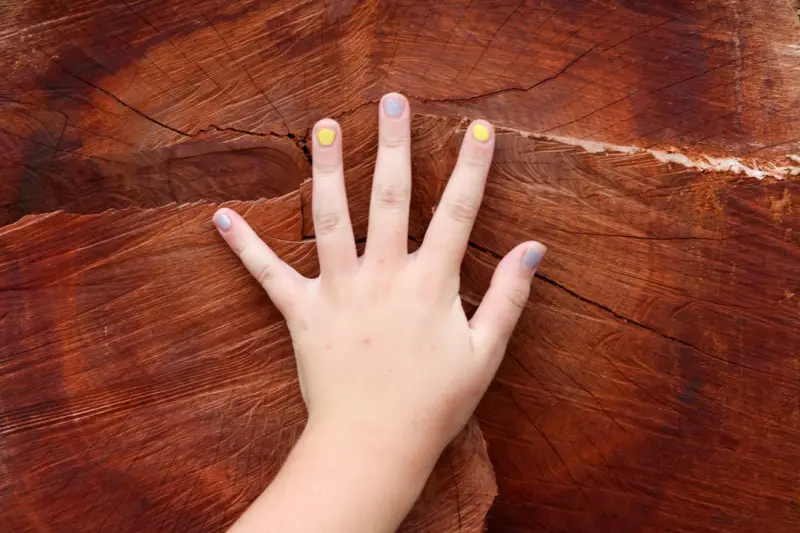
When I was a child, the best part of a rainy afternoon was the feeling of a wooden train set clacking across a hand‑crafted track, the scent of fresh‑cut pine, and the slow, deliberate imagination that each piece demanded. Today, that same tactile joy is resurfacing, but it’s doing so with a twist that feels both nostalgic and revolutionary. Parents, educators, and even tech‑savvy designers are rediscovering the power of toys that you can feel, manipulate, and even repair with your own hands. In this piece, I’ll explore why the tactile toy renaissance matters, how it’s reshaping the industry, and what this means for the next generation of creators.
The Sensory Gap in a Digital‑First World
Our modern landscape is saturated with screens that flash, scroll, and swipe. While digital interactivity offers unprecedented convenience, it also creates a sensory gap: children (and adults) are missing out on the rich feedback that comes from textures, weights, and the subtle resistance of a well‑balanced object. Research in developmental psychology shows that proprioceptive and haptic experiences are crucial for fine motor development, spatial reasoning, and emotional regulation. When a child rolls a metal marble down a wooden ramp, they’re not just playing—they’re calibrating their sense of gravity, pressure, and momentum.
Enter the tactile toy movement. It isn’t a backlash against technology; it’s a complementary layer that reminds us of the value in “doing” as opposed to “watching.” The resurgence of hand‑made wooden puzzles, metal building blocks, and fabric‑stitched dolls is evidence that consumers are craving that grounded, kinesthetic interaction.
Craftsmanship as a Narrative
Every handcrafted toy tells a story. The grain of a bamboo puzzle piece, the slight imperfection in a hand‑spun yarn, the intentional wear that comes from years of play—these details become part of a larger narrative that mass‑produced plastic rarely offers. Brands that highlight the maker’s journey, the sourcing of sustainable materials, and the possibility of repair are weaving a narrative that resonates deeply with conscious consumers.
For example, a small studio in Portland releases a line of modular wooden robots that children can assemble, disassemble, and re‑configure. The company provides a downloadable guide on how to sand down rough edges and replace broken joints, turning a broken toy into a learning experience rather than a landfill contribution. This approach transforms the product lifecycle from a single‑use transaction into an ongoing relationship.
Designing for Longevity and Imagination
Longevity isn’t just about durability; it’s about the capacity of a toy to grow with its owner. Classic toys like LEGO bricks have endured because they are open‑ended: the same piece can be a spaceship today and a cityscape tomorrow. Modern designers are taking this principle further by integrating modularity with natural materials.
Consider a set of interlocking stone tiles, each etched with simple geometric patterns. As children age, they can use the tiles to create floor mosaics, tabletop games, or even wall art. The tactile feedback of stone against fingertips invites a deeper level of engagement than plastic snap‑fit pieces, fostering a sense of ownership over the creative process.
Community‑Driven Play: Crowdfunding and Co‑Creation
The rise of crowdfunding platforms has democratized toy development. Creators can now pitch prototypes directly to an audience eager for novelty, gather feedback, and iterate before a single unit leaves the factory. This collaborative loop mirrors the spirit of community events in the marketing world, but applied to play.
One notable campaign launched a series of biodegradable cardboard adventure kits. Backers were encouraged to submit their own story ideas, which were then printed as supplemental booklets inside the kits. The result? A living library of shared narratives that evolved with each new batch, turning consumers into co‑authors of the play experience.
Learning Through Repair: A Skill Worth Teaching
In an era where “replace‑instead‑of‑repair” has become the default, tactile toys offer a subtle lesson in resilience. When a wooden gear slips out of place or a fabric doll loses an eye, the natural response is to fix it. This act teaches problem‑solving, patience, and the value of caring for one’s belongings.
Many makers are now including simple toolkits with their products—small sandpaper blocks, wooden dowels, or stitching needles—encouraging children to become mini‑craftspeople. This practice not only extends the toy’s life but also instills a mindset that challenges the disposable culture prevalent in many other product categories.
Bridging the Physical and the Digital
While the focus here is on tactile experiences, the most innovative toys are those that blend the physical with the digital in a way that enhances rather than replaces touch. A clever example is a line of wooden puzzle cubes embedded with QR codes. When scanned, the code unlocks an augmented‑reality story that expands the narrative without distracting from the hands‑on activity.
For a deeper dive into how technology can complement play, see the article on how tech reshapes play. The synergy between tactile design and subtle digital layers creates a richer, multi‑sensory environment that respects the child’s innate desire to explore with their hands.
Marketing Tactile Toys in a Screen‑Dominated Marketplace
Promoting a tactile product in a digital arena might seem paradoxical, but it’s an opportunity to highlight contrast. Brands are leveraging short, authentic video snippets that focus on the sound of a wooden block clicking or the grain of a hand‑carved figurine. These micro‑moments resonate because they capture something that a screen cannot reproduce.
One successful campaign employed micro‑video storytelling to showcase the journey from raw material to finished toy. By emphasizing the craftsperson’s hands at work, the brand communicated authenticity, sustainability, and the tactile promise of the product—all in under thirty seconds.
Future Directions: From Playrooms to Classrooms
The tactile renaissance isn’t confined to homes; educators are integrating these toys into curricula to reinforce STEAM concepts. A modular magnetic wood set, for instance, can demonstrate basic physics principles like magnetism and balance, while also encouraging collaborative problem‑solving.
As schools increasingly adopt hybrid learning models, the need for hands‑on, low‑tech resources becomes more pronounced. Teachers report that students who engage with tactile materials exhibit higher retention rates and more enthusiasm during lessons. This suggests that the tactile toy trend could have lasting implications for educational strategies worldwide.
Conclusion: Embracing the Hand‑Made Future
The resurgence of tactile toys is more than a nostalgic fling; it’s a cultural shift that honors the physicality of play, the sustainability of craftsmanship, and the empowerment that comes from creating and repairing. By prioritizing texture, weight, and the story behind each piece, designers are inviting a new generation to slow down, feel deeply, and imagine wildly.
Whether you’re a parent seeking meaningful play, a designer looking for fresh inspiration, or a marketer eager to tell a compelling story, the tactile toy movement offers a rich landscape of possibilities. It reminds us that the most memorable experiences are often the ones we can hold in our hands.

Related Posts
When Toys Get Smart: The AI Revolution in Playtime
Artificial intelligence is transforming toys from static objects into adaptive learning partners. Th... Read More
Beyond Screens: How Augmented Reality Toys Are Reimagining Play
Augmented reality toys are transforming play by merging tangible interaction with digital overlays, ... Read More

The Evolution of Collectible Toys: A Comprehensive Overview
The world of collectible toys has undergone significant transformations over the years. From vintage... Read More
Top Posts

Unlock the SEO Potential of Your LinkedIn Company Page
A practical guide shows SaaS marketers how to optimize LinkedIn Company Pages, showcase pages, articles, and SlideShare for higher search visibility, inbound tr...Read More

The AI‑Powered Content Sprint: Faster, Smarter SaaS Storytelling
Discover how a 3‑day content sprint—combining AI‑assisted ideation, rapid drafting, and instant performance testing—can transform your SaaS content crea...Read More

Mining Your Support Desk: Turning Help Requests into Content Gold
Support tickets are a treasure trove of real‑world questions and solutions. This post shows SaaS marketers how to convert those interactions into evergreen co...Read More

Beyond Checklists: A Fresh On‑Page SEO Playbook for Intent‑Driven Rankings
A hands‑on guide that redefines on‑page SEO with semantic tags, performance‑first layout, advanced schema, and intent‑driven internal linking, turning s...Read More
0 Comments
Post Comment
You will need to Login or Register to comment on this post!