

Why “Content Sprints” Are the Secret Weapon SaaS Teams Need Right Now
When I first joined a fast‑growing SaaS startup, the content backlog looked like a mountain of half‑finished outlines, stale whitepapers, and endless “we’ll get back to this later” notes. The team was talented, the product was brilliant, but the content machine was stuck in a perpetual planning mode. I learned the hard way that great ideas alone don’t move the needle; you need a repeatable, high‑velocity process that turns those ideas into publishable assets before the market shifts again.
The Problem With Traditional Content Calendars
Most B2B SaaS marketers still rely on quarterly calendars, spreadsheet‑level task assignments, and a “one‑size‑fits‑all” review loop. That approach has three fatal flaws:
- Latency. From ideation to publication, you’re often looking at weeks, if not months. By the time the piece goes live, the buyer’s pain point may have evolved.
- Fragmented ownership. Writers, designers, product managers, and SEO specialists each have their own silos, leading to misaligned expectations and endless back‑and‑forth.
- Lack of feedback loops. Content is rarely tested in real‑time against actual buyer behavior, so you end up optimizing after the fact—if you ever get the data.
All of that is fine if you’re in a low‑stakes blog environment, but SaaS growth hinges on delivering timely, relevant insights that move prospects through the funnel faster than competitors. That’s why I swapped the old calendar for what I now call a content sprint.
What Is a Content Sprint?
A content sprint borrows the agile methodology used by software teams and condenses it into a 3‑ to 5‑day burst of focused creation. The goal isn’t just “publish more”; it’s to generate a complete, distribution‑ready asset that is:
- Rooted in a single, high‑impact buyer intent.
- Optimized for SEO, social, and email in one go.
- Validated with real‑time data before the sprint ends.
This is not a “write‑a‑blog‑post‑and‑pray” exercise. It’s a coordinated dance of AI‑assisted ideation, rapid drafting, visual quick‑prototyping, and instant performance testing—all wrapped in a tight feedback loop.
The Core Pillars of a SaaS Content Sprint
Below is the framework I use with my team. Each pillar can be tweaked to fit your organization’s size and maturity, but the sequence stays the same.
1. Intent‑First Ideation (Day 0)
Before any typing begins, we lock in the buyer intent we’re targeting. We ask: “What specific question is this prospect searching for right now?” This is where the Micro‑Intent Mastery philosophy comes in handy—narrow down the intent to a micro‑level phrase that still has search volume.
We feed that intent into a generative AI prompt that spits out a list of angle ideas, headline hooks, and even a quick outline. The AI output is never final; it’s a springboard for the human team to refine and prioritize.
2. Rapid Draft & Visual Sketch (Day 1)
With the outline in hand, the writer creates a first draft in 90 minutes. Simultaneously, a designer sketches the visual assets—infographics, hero images, or quick demo GIFs—using a library of pre‑built components. Because we’re sprinting, the visuals are intentionally “good enough” to convey the core message; they’re refined later if needed.
During this stage we embed SEO fundamentals—keyword placement, internal links, and schema hints—right into the draft. It saves a separate “post‑production” SEO step later on.
3. Real‑Time Validation (Day 2)
Before we lock the piece, we run a series of quick validation tests:
- Search intent match. Using an AI‑driven SERP simulator, we see if the draft aligns with the top 5 ranking pages for our target phrase.
- Social preview. We generate 3 headline variations and run them through a lightweight A/B test on a private LinkedIn group of industry peers, measuring click‑through intent.
- Performance metrics. A short, 48‑hour beta launch on a sub‑domain captures early engagement data—time on page, scroll depth, and conversion intent.
If the data shows a mismatch, we iterate instantly. This is the “lean” part of the sprint: no wasted effort on a piece that won’t resonate.
4. Publish & Amplify (Day 3)
With validation complete, we push the content to the live site, schedule social posts, and add it to our email nurture flow. Because the asset is already optimized for SEO and social, the distribution steps are largely automated. We also trigger a “content hub” update, linking the new piece to related resources—a practice I’ve detailed in Build a Community‑Powered Content Hub for SaaS Growth.
5. Post‑Sprint Analysis (Day 4‑5)
The sprint isn’t over until the data is back. We pull performance metrics from Google Analytics, HubSpot, and our social listening tool. The key question is simple: Did this piece move the needle on the targeted intent? If the answer is yes, we replicate the formula; if not, we capture the learnings for the next sprint.
Why AI Is the Engine, Not the Driver
It’s tempting to let AI write the whole thing, but the magic happens when human expertise steers the output. AI excels at:
- Generating a breadth of ideas in seconds.
- Suggesting keyword variations and semantic clusters.
- Drafting first‑pass copy that can be quickly refined.
The human team adds:
- Brand voice consistency and nuanced storytelling.
- Strategic alignment with product roadmaps and go‑to‑market plans.
- Critical judgment on data‑driven validation results.
This symbiosis keeps the sprint fast without sacrificing quality.
Scaling the Sprint Across Teams
If you’re managing a larger organization, you can scale the sprint model by creating “content squads” that mirror product squads. Each squad owns a set of buyer personas and runs weekly sprints focused on those personas. The squads share a central Content Playbook that includes:
- Standard AI prompts for ideation.
- Template libraries for visual assets.
- A dashboard that aggregates sprint performance across squads.
Because the squads operate independently but follow the same sprint cadence, you end up with a steady pipeline of fresh, intent‑aligned assets that feed every stage of the funnel.
Measuring Sprint Success: Beyond Page Views
Traditional content metrics—page views, bounce rate, time on page—still matter, but they’re not enough for a sprint‑driven model. Here are the KPIs I track:
- Intent Conversion Rate (ICR). The percentage of visitors who take a next‑step that matches the original intent (e.g., sign‑up for a trial after reading a “How to reduce churn” guide).
- Speed‑to‑Insight. The time from intent discovery to published asset. The faster, the better.
- Amplification Ratio. How many additional touchpoints (social shares, email forwards, internal links) the asset generates within the first 48 hours.
When you align sprint metrics with revenue‑impact goals, you can clearly see the ROI of each sprint, making it easier to secure executive buy‑in.
Common Pitfalls and How to Avoid Them
Even the best‑intentioned sprint can stumble. Here are the three most common mistakes and quick fixes:
- Skipping Validation. Rushing to publish without testing the headline or intent match leads to low engagement. Always allocate at least 30 minutes for a rapid validation step.
- Over‑Polishing Visuals. Spending a full day perfecting a hero image defeats the sprint’s purpose. Use modular design components and iterate only if the data demands it.
- Ignoring the Narrative Thread. Each sprint should contribute to a larger storytelling arc. If you’re not tying the piece back to a broader narrative, check out The Narrative Blueprint for a quick refresher.
Getting Started Today
Ready to give content sprints a try? Here’s a 30‑minute kickoff checklist:
- Pick a high‑intent keyword (use your SEO tool to confirm search volume).
- Run the keyword through an AI prompt to generate five angle ideas.
- Select the strongest angle and outline the piece in 15 minutes.
- Assign a writer and a designer; set a 90‑minute timer for draft and visual sketch.
- Run a quick validation test using a SERP simulator and a social preview tool.
- Publish, amplify, and schedule a 48‑hour performance review.
Even if you only complete one sprint this week, you’ll start to see a shift in how quickly your content meets the market’s needs. The momentum builds, and soon you’ll have a reliable engine that churns out high‑impact assets on a weekly basis.
Final Thoughts: From Sprint to Growth Engine
Content creation shouldn’t be a slow, methodical march—it needs the same agility that powers your product development. By embracing a sprint mindset, leveraging AI as a catalyst, and embedding real‑time validation, you turn every piece of content into a growth‑focused experiment rather than a static deliverable.
The result? Faster time‑to‑value, higher engagement, and a clear line of sight from a single idea to measurable revenue impact. In a world where buyer intent shifts by the hour, your content engine must be ready to sprint.

Related Posts

Co‑Creating SaaS Content with Your Audience: A New Playbook
Co‑creating content with your SaaS audience transforms users into storytellers, amplifying reach a... Read More
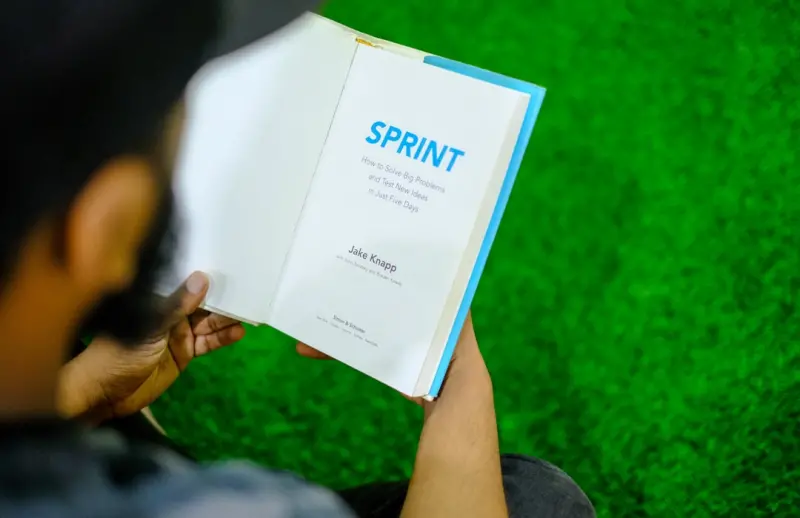
Agile Sprints: The Missing Link in SaaS Content Production
Discover how applying agile sprint methodology to SaaS content production creates a predictable rhyt... Read More

From One Piece to Ten: Turning a Single Blog Post into a Content Ecosystem
Discover a step‑by‑step workflow that transforms a single, well‑crafted article into a full co... Read More
Top Posts

From Chaos to Clarity: A Data‑Driven Content Audit Framework
A fresh, data‑driven approach to content audits that aligns personas, pillars, and repurposing workflows, unlocking hidden value across every channel....Read More

Turning Social Media into a Predictable Revenue Engine for SaaS
Discover a data‑first approach to social media that maps every interaction to the SaaS funnel, turning likes and comments into qualified leads and predictable...Read More

The Rise of Immersive, Interactive Content: Why B2B Brands Must Play, Not Just Talk
Interactive content is redefining B2B marketing, turning static assets into immersive experiences that capture richer data, accelerate sales cycles, and differe...Read More

Capture the ‘Near Me’ Boom: Hyperlocal SEO Strategies for Small Businesses
Learn how to dominate “near me” queries with geo‑fencing, neighborhood content hubs, and AI‑powered local SERPs, turning mobile searches into real‑wor...Read More
0 Comments
Post Comment
You will need to Login or Register to comment on this post!