
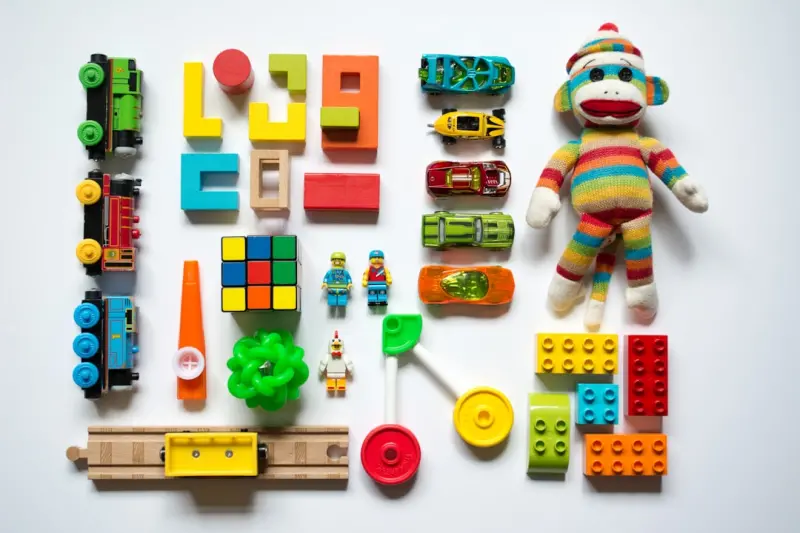
When I was a kid, the most coveted toy was a plastic robot that could light up and make a beeping sound. Fast‑forward to today, and that robot has an artificial‑intelligence brain, a cloud‑connected personality, and can even negotiate bedtime with a child. As someone who grew up watching the evolution of play, I’m fascinated by how AI is not just a gimmick—it’s fundamentally reshaping what toys can do, how they learn, and the way families interact with them.
The AI Surge in the Toy Industry
Over the last few years, major manufacturers have poured billions into research and development for smart toys. The catalyst? A blend of cheaper sensors, advances in natural‑language processing, and the democratization of cloud‑based AI services. No longer are toys limited to pre‑programmed responses; they can now understand context, adapt to a child’s skill level, and even evolve their behavior over months.
This shift mirrors the broader tech landscape where personalization is king. Just as streaming platforms recommend movies based on viewing habits, AI‑powered toys curate play experiences based on a child’s preferences and developmental milestones.
From Voice Assistants to Emotional Companions
Remember the first time you asked a voice assistant a question? That same technology now sits inside plush bears, building blocks, and even miniature cars. However, the real magic isn’t just in answering “What’s the weather?” but in building an emotional bond.
Take a smart doll that can detect a child’s tone of voice. If the child sounds upset, the doll might respond with soothing words, suggest a calming game, or even initiate a short meditation. If the child is excited, the toy can ramp up the energy, propose a dance challenge, or celebrate achievements. This dynamic emotional feedback loop creates a sense of companionship that feels alive in a way static toys never could.
In fact, the play‑first revolution highlighted how tangible experiences are reclaiming attention from screens. AI‑enabled toys push that narrative further by marrying the tactile satisfaction of a real object with the adaptive intelligence of digital assistants.
Learning Benefits and the STEM Edge
Parents and educators have long championed STEM (Science, Technology, Engineering, Mathematics) toys for their ability to spark curiosity. AI amplifies this impact by turning passive kits into interactive labs.
- Personalized Learning Paths: AI can assess a child’s current skill set and present challenges that are just beyond their comfort zone, following the “zone of proximal development” principle.
- Immediate Feedback: Instead of waiting for a teacher’s review, a smart coding robot can point out syntax errors in real time, guiding the child toward a solution.
- Cross‑Disciplinary Play: A building‑block set that senses structural stability can suggest physics concepts, while a storytelling plush can introduce language arts through narrative prompts.
These capabilities mean that playtime becomes a continuous, data‑informed learning journey, not a series of isolated lessons.
Privacy and Ethical Considerations
With great power comes great responsibility. AI toys collect a wealth of data—voice recordings, facial expressions, play patterns—raising legitimate concerns about privacy and consent.
Manufacturers must be transparent about what they collect, how it’s stored, and who has access. Opt‑in mechanisms, data‑minimization policies, and regular third‑party audits are essential safeguards. Moreover, developers should consider the ethical implications of AI that can influence a child’s emotions. Is it appropriate for a toy to nudge a child toward a particular behavior, even if well‑intentioned?
Parents can mitigate risks by choosing toys that comply with recognized privacy standards (like COPPA in the United States) and by regularly reviewing permission settings in companion apps.
The Business Landscape: Subscription Models and Customization
Smart toys have opened the door to recurring‑revenue models that were previously impossible for physical products. Companies now offer subscription boxes that deliver new AI‑driven modules, story packs, or challenges each month, keeping the experience fresh and encouraging long‑term engagement.
Customization is another lucrative avenue. Using AI, a toy can learn a child’s favorite colors, themes, or characters and then suggest add‑ons that match those preferences. Some brands even enable parents to upload a child’s artwork, which the toy can incorporate into its visual interface—blurring the line between creator and consumer.
From a growth perspective, these strategies echo the link‑building in the age of AI playbook, where AI tools are leveraged to amplify reach and retention. In the toy world, AI does the same by deepening the relationship between the product and the child, turning a one‑off purchase into an ongoing partnership.
Future Trends: Hybrid Real‑World Play
Looking ahead, the most exciting developments will blend physical and digital realms seamlessly. Imagine a board game where each piece is an AI‑enabled token that can move autonomously, narrate story arcs, and react to player decisions in real time. Or a puzzle that, once assembled, unlocks an AR (augmented reality) experience personalized to the child’s learning history.
Another trend is the rise of “digital twins” – virtual replicas of physical toys that exist in a child’s cloud profile. These twins can simulate play scenarios, allowing children to experiment with designs before they physically build them, fostering creativity and problem‑solving skills.
Finally, the next wave of adaptive content experiences will likely inspire toys that evolve not just in response to a child’s actions, but also to broader environmental cues—like adjusting difficulty based on ambient noise levels or lighting conditions.
Conclusion: Embracing Smart Play Responsibly
The rise of AI in toys is more than a fleeting trend; it’s a paradigm shift that promises richer, more personalized, and more educational play experiences. As a parent, educator, or simply a lover of childhood wonder, I’m excited by the possibilities—while also advocating for thoughtful design, robust privacy safeguards, and a balanced approach that ensures technology enhances, rather than replaces, the magic of imagination.
When we strike the right balance, the next generation of toys won’t just be smart—they’ll be wise, empathetic companions that grow alongside the children they serve.

Related Posts
When Play Gets Smart: The Hybrid Toy Revolution
Hybrid toys combine tactile experiences with digital interactivity, offering personalized, education... Read More
Why Eco‑Friendly Toys Are the Next Big Play Trend
Eco‑friendly toys are redefining play, merging imagination with sustainability. Dive into the mate... Read More
Why Sustainable Toys Are the Next Big Play Trend
A deep dive into the growing demand for sustainable toys, highlighting health benefits, design innov... Read More
Top Posts
Why Sustainable Toys Are the Next Big Play Trend
A deep dive into the growing demand for sustainable toys, highlighting health benefits, design innovations, and practical tips for parents seeking greener play ...Read More

Hidden Levers of LinkedIn SEO: A Tactical Guide for Professionals
Learn how to master LinkedIn’s algorithm with keyword‑rich headlines, strategic hashtags, SlideShare assets, and authority signals for higher search visibil...Read More

Why Technical SEO Needs a Human‑Centric Reset
Technical SEO is more than code; it’s about aligning crawl budget, Core Web Vitals, and structured data with real human experiences to secure lasting rankings...Read More

The Secret Sauce of LinkedIn Hashtag SEO for SaaS Leaders
Learn a step‑by‑step, data‑backed approach to turning LinkedIn hashtags into a high‑impact SEO channel for SaaS businesses, from research and architectu...Read More
0 Comments
Post Comment
You will need to Login or Register to comment on this post!