

Why LinkedIn Hashtag SEO Is the Untapped Gold Mine for SaaS Brands
When most marketers think “LinkedIn SEO,” the mental image is usually a polished profile, a keyword‑rich company page, or the occasional search‑driven visibility hack. Those are solid tactics, but they’re the tip of the iceberg. The real depth lies in the humble hashtag.
Hashtags on LinkedIn are not just decorative markers; they are the platform’s own taxonomy engine. If you treat them like a keyword ecosystem, you unlock a parallel search channel that feeds both LinkedIn’s internal discovery and Google’s external indexing. In this post I’ll walk you through the why, how, and what next of LinkedIn hashtag SEO, with a focus on SaaS businesses that need high‑intent leads, not just vanity metrics.
The Anatomy of a LinkedIn Hashtag
First, let’s demystify what a hashtag does on LinkedIn:
- Signal Aggregation: Each hashtag aggregates posts, articles, and comments that share the same tag, creating a living, searchable “topic hub.”
- Algorithmic Weight: LinkedIn’s feed algorithm surfaces hashtag content based on relevance, engagement, and the user’s network signals. The more precise your tag, the less noise you compete against.
- Cross‑Platform Indexing: Google routinely crawls LinkedIn’s hashtag pages. A well‑optimized post can rank in Google SERPs for both the hashtag and the underlying keyword phrase.
Understanding these three functions is the foundation for a strategy that turns a simple “#SaaS” into a high‑traffic acquisition channel.
Step 1: Do the Hashtag Homework – Data‑Driven Discovery
Just like any SEO campaign, you start with data. I like to borrow tools from my Predictive SEO playbook and adapt them for LinkedIn.
- Harvest Volume Signals: Use LinkedIn’s native search bar to type a candidate hashtag and note the “people following” count that appears next to it. High follower counts indicate demand, but also competition.
- Analyze Engagement Patterns: Search the hashtag, scroll the last 20 posts, and record average likes, comments, and shares. A tag with low engagement may be underutilized—prime real estate for you.
- Cross‑Reference Google: Drop the hashtag (sans #) into Google. If the phrase surfaces in the “People also ask” box or as a featured snippet, you’ve found a keyword that already has search intent.
- Map to the Funnel: Align each hashtag with a buyer‑stage. For example, #SaaSOnboarding is top‑of‑funnel educational, while #SaaSRevenueOps targets decision‑makers evaluating solutions.
When you combine LinkedIn’s internal metrics with external search data, you surface a sweet spot: hashtags that are searchable, under‑served, and aligned with your SaaS buyer’s journey.
Step 2: Build a Hashtag Architecture – From Pillars to Clusters
Think of your hashtag strategy like a content silo. You need a few high‑level “pillar” tags that define your brand’s core topics, then a set of “cluster” tags that dive deeper.
- Pillar Tags (broad, high‑volume): #SaaS, #CloudComputing, #B2BMarketing.
- Cluster Tags (niche, intent‑rich): #SaaSOnboarding, #APIIntegration, #ZeroClickAnalytics.
Every piece of content you publish should feature one pillar and two to three clusters. This mirrors the “topic cluster” model we champion in our broader content roadmap, but applied to LinkedIn’s native taxonomy.
Step 3: Craft Hashtag‑Optimized Content – The 3‑Layer Formula
Now that you have your tags, you need content that speaks LinkedIn’s language while still satisfying Google. I call this the 3‑Layer Formula:
- Hook (LinkedIn‑First): Start with a bold statement or question that resonates with the tag’s community. Example: “Ever wonder why zero‑click search is stealing SaaS leads?”
- Value (Depth for Google): Deliver actionable insights, data points, or a mini‑case study. This section is where you embed the core SEO copy that Google will index.
- CTA (Both Worlds): End with a clear next step—download a whitepaper, join a LinkedIn group, or comment with your experience. Encourage engagement to boost the post’s internal relevance.
Remember to place your hashtags strategically: one in the opening line, one at the end of the post, and sprinkle any additional clusters within the body. Over‑tagging (more than five) dilutes relevance and can trigger the algorithm’s spam filter.
Step 4: Leverage Employee Advocacy – Multiply the Signal
One of LinkedIn’s hidden strengths is the network effect of employee shares. When a post with your target hashtags is amplified by a team of 10‑15 employees, the platform treats it as a “high‑trust” signal. The result? Faster ranking in both LinkedIn’s hashtag feed and Google’s SERPs.
Here’s a quick rollout plan:
- Curate a Hashtag Playbook: Provide each employee with a short guide that lists approved pillar and cluster tags, along with sample copy snippets.
- Schedule Amplification: Use a social scheduling tool to stagger employee shares over a 24‑hour window. This prevents the “burst” effect that can look suspicious.
- Track Metrics: Monitor hashtag follower growth, post impressions, and Google rankings for the targeted keyword phrases. Adjust the playbook quarterly based on performance.
By turning your workforce into a distributed SEO squad, you create a self‑reinforcing loop of relevance and reach.
Step 5: Measure, Iterate, and Scale – The KPI Dashboard
Every good SEO campaign lives or dies by data. For LinkedIn hashtag SEO, focus on these core KPIs:
- Hashtag Followers: Growth rate indicates community interest.
- Post Impressions via Hashtag: Shows how often LinkedIn surfaces your content in the tag’s feed.
- Engagement Rate (likes, comments, shares) per Hashtag: Higher engagement signals relevance to the algorithm.
- Google Rankings for “#Tag Keyword”: Track SERP positions for the underlying phrase without the hash.
- Lead Conversion from Hashtag Traffic: Use UTM parameters to attribute inbound leads to specific hashtag posts.
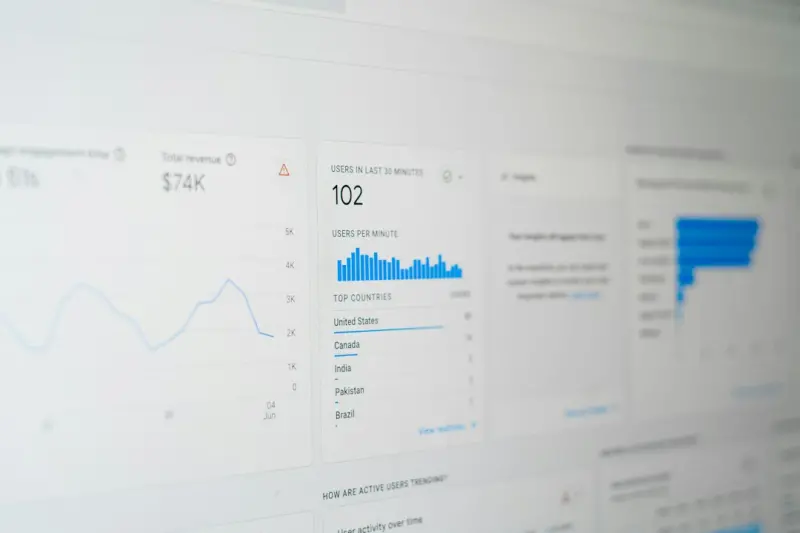
Set up a simple Google Data Studio (or Looker Studio) dashboard that pulls LinkedIn analytics via the API and combines it with Google Search Console data. This unified view lets you spot lagging tags and double‑down on the winners.
Case Study: Turning #ZeroClickSearch into a Lead Magnet
One of our SaaS clients was struggling to capture interest around “zero‑click search,” a concept that was gaining traction in the SEO community but was still obscure on LinkedIn. Here’s how we applied the hashtag framework:
- We identified #ZeroClickSearch as a low‑competition, high‑intent cluster tag.
- Created a three‑part post series—definition, impact on SaaS lead gen, and a step‑by‑step implementation guide.
- Each post featured the pillar tag #SaaS and the cluster tags #ZeroClickSearch and #LeadGenAutomation.
- We enlisted 12 senior engineers to share the posts, adding personal anecdotes to boost authenticity.
- Within four weeks, the hashtag’s follower count rose 27%, post impressions grew 3.5×, and Google SERPs showed our client’s blog post ranking on the first page for “zero click search for SaaS.”
- Most importantly, the campaign generated 48 qualified leads—directly traceable to the hashtag posts via UTM tagging.
This mini‑case proves that a laser‑focused hashtag strategy can produce tangible revenue, not just social clout. If you’re skeptical, remember that Zero‑Click Search is already reshaping SaaS acquisition. Pairing it with a dedicated hashtag amplifies the effect.
Future‑Proofing Your Hashtag Playbook
LinkedIn is constantly iterating its feed algorithm, and hashtags will evolve along with it. Here are three trends to watch:
- AI‑Generated Tag Recommendations: Soon, LinkedIn may auto‑suggest tags based on content semantics. Stay ahead by pre‑testing AI‑generated tags against your manual research.
- Video‑First Hashtag Feeds: Short video snippets are gaining prominence in hashtag streams. Consider repurposing webinars or product demos as 60‑second clips.
- Cross‑Platform Hashtag Indexing: Google’s algorithm updates increasingly treat LinkedIn tags as “topic authority.” Align your on‑site SEO with your LinkedIn hashtag strategy for a unified brand signal.
By treating hashtags as living SEO assets—regularly audited, refreshed, and amplified—you future‑proof your LinkedIn presence while feeding the broader search ecosystem.
Takeaway Checklist
- Run data‑driven hashtag research using LinkedIn follower counts, engagement metrics, and Google search intent.
- Construct a pillar‑and‑cluster architecture that mirrors your SaaS buyer journey.
- Apply the 3‑Layer Formula to every post: hook, deep value, CTA.
- Mobilize employee advocacy to boost signal strength.
- Track KPI dashboard: hashtag followers, impressions, engagement, Google rankings, and lead conversion.
- Iterate quarterly based on performance, and stay alert to platform trends.
If you’ve been treating LinkedIn hashtags as an afterthought, it’s time to upgrade them to a core SEO pillar. The payoff isn’t just more eyes on your content; it’s qualified SaaS leads flowing in from a channel that most of your competition has yet to master.

Related Posts

LinkedIn SEO Secrets: Turning Your Network into Search Power
Learn to transform LinkedIn profiles, posts, and employee networks into powerful SEO assets, using c... Read More

How to Turn Your LinkedIn Profile into a Search Engine Magnet
I reveal the hidden SEO levers inside LinkedIn—keyword‑rich headlines, strategic URL tweaks, and... Read More

Elevating LinkedIn’s Hidden SEO Potential for Business Growth
Learn fresh tactics to boost your brand’s search visibility on LinkedIn, from optimizing company p... Read More
Top Posts
Edge‑First Rendering: The Next Wave of Technical SEO for SaaS
Discover why edge‑first rendering, server‑side hydration, and smart schema are the new levers for SaaS technical SEO, and get a practical checklist to futur...Read More

Beyond Plastic: How Sustainable Toys Are Shaping Tomorrow’s Play
Sustainable toys are redefining play by using renewable materials, lasting designs, and transparent supply chains, fostering both child development and environm...Read More

Transform Your SaaS Help Center into an SEO Powerhouse
Discover a step‑by‑step strategy for converting your SaaS help center into a ranking engine, using keyword mapping, schema markup, internal linking, and AIâ...Read More

Scaling WordPress Across Borders: A Multilingual SEO Blueprint
A practical guide for SaaS marketers on structuring, localizing, and promoting WordPress sites for international audiences, complete with a technical checklist,...Read More
0 Comments
Post Comment
You will need to Login or Register to comment on this post!