
When I first unwrapped a hand‑crafted wooden puzzle for my niece, I felt a spark that’s been missing from the glossy aisles of big‑box retailers for far too long. The toy aisle is undergoing a quiet revolution, and it isn’t just about bright colors or the latest tech gimmick. It’s about purpose, planet, and the kind of imagination that can’t be replicated by a battery‑powered robot.
From Plastic to Purpose: The Eco‑Conscious Shift
For decades, the default toy has been molded plastic—cheap, durable, and endlessly producible. But as climate headlines grow louder, parents, educators, and even the manufacturers themselves are asking a simple question: What are we really teaching our kids when we hand them a product that will linger in landfills for centuries? The answer is shifting fast.
Today’s most coveted toys are those that tell a story of stewardship. Think biodegradable building blocks, recycled‑material art kits, and plush animals sewn from reclaimed fabrics. These products are not just “green” as a buzzword; they are engineered to be re‑usable, up‑cyclable, and educational in ways that plastic never could be.
Why Kids (and Parents) Are Choosing Sustainable Play
- Health Benefits: Many traditional toys contain phthalates and BPA, chemicals linked to hormonal disruptions. Sustainable alternatives often use natural dyes and non‑toxic materials, giving peace of mind to anxious parents.
- Creative Freedom: Simple, open‑ended toys—like wooden blocks or fabric dolls—invite children to imagine beyond preset narratives. The lack of built‑in electronics means kids have to invent the story themselves.
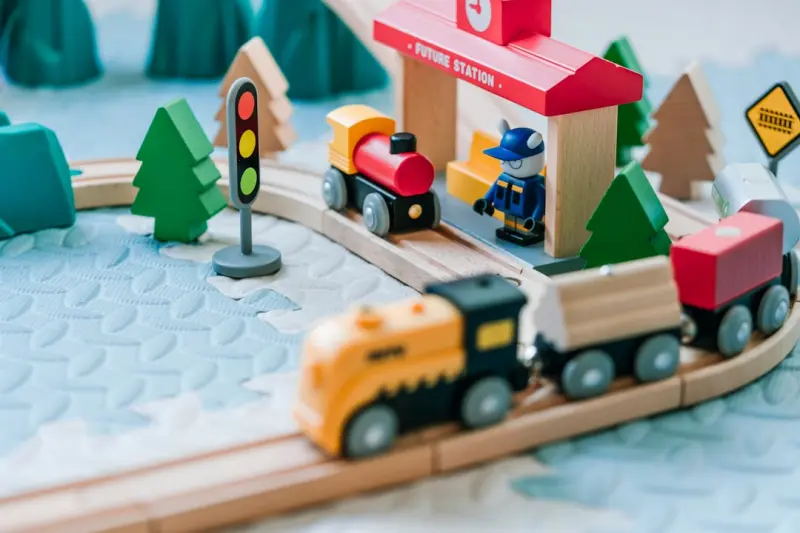
- Long‑Term Value: A well‑made wooden train set can be passed down through generations, becoming a family heirloom rather than a disposable purchase.
- Environmental Impact: By choosing products made from recycled or renewable sources, families directly reduce demand for virgin plastics, cutting down greenhouse gas emissions.
Market Momentum: Numbers That Matter
Market analysts are finally quantifying the shift. Recent surveys show that over 70 % of millennial parents consider a toy’s environmental footprint before buying. Retailers that have expanded their sustainable lines reported double‑digit sales growth in the last two years. Even giant e‑commerce platforms are creating dedicated “Eco‑Friendly” sections, signaling that this is more than a niche trend.
Design Principles Behind the Next‑Gen Toys
Behind every successful sustainable toy is a blend of thoughtful design and clever engineering. Here are three principles that the most innovative brands are embracing:
- Modularity: Pieces that snap together in multiple configurations extend play value. A modular wooden city can become a spaceship with a few extra pieces.
- Material Transparency: Brands now label the exact source of each component—bamboo, organic cotton, post‑consumer plastic—making it easy for shoppers to understand the impact.
- End‑of‑Life Planning: Some companies offer take‑back programs, encouraging users to return worn‑out toys for recycling or refurbishment.
Case Study: A Small Brand’s Big Impact
Take the story of GreenSprout Playthings, a boutique workshop that started in a garage with a single 3‑D‑printer and a vision to replace plastic dinosaurs with responsibly sourced wood. Within three years, they’ve partnered with schools across the country, providing curriculum‑aligned kits that teach kids about forest ecosystems while they build animal figures.
Their secret sauce? They treat every product as a living asset. Instead of a static line item, each toy becomes a platform for ongoing engagement—think refillable paint sets and swap‑meet events where families trade pieces to keep the play fresh.
How Parents Can Navigate the Green Toy Jungle
With the surge of “eco‑friendly” labels, it can be overwhelming to separate genuine sustainability from greenwashing. Here’s a quick checklist for savvy shoppers:
- Check the material source—look for certifications like FSC (Forest Stewardship Council) for wood or GOTS (Global Organic Textile Standard) for fabrics.
- Research the brand’s end‑of‑life policies. Do they accept returns for recycling?
- Read reviews focused on durability. A sustainable toy that breaks after one use defeats its purpose.
- Consider the toy’s lifespan. Can it grow with your child, or will it become obsolete quickly?
The Role of Tech in Sustainable Play
While the heart of this movement is low‑tech, technology still plays a crucial role—just not in the way you might expect. Data analytics help manufacturers optimize material usage, reducing waste during production. For instance, a company recently leveraged predictive models to forecast demand spikes, allowing them to order raw materials more efficiently and avoid over‑production.
Moreover, augmented reality (AR) is being used to create “digital twins” of physical toys, offering interactive instructions that reduce the need for printed manuals—a small but meaningful reduction in paper waste.
Looking Ahead: The Future of Play
The trajectory is clear: toys that respect the planet will become the norm, not the exception. As regulations tighten around single‑use plastics and consumer consciousness rises, brands that lag behind risk being left in the landfill—literally.
What does this mean for the next generation of children? They’ll grow up with an innate understanding that play and stewardship are not mutually exclusive. They’ll learn early that every block they stack can be reclaimed, every doll they love can be repaired, and every game they win can be shared responsibly.
Take Action Today
If you’re a parent, educator, or simply a lover of imaginative play, you have the power to steer the market. Start by swapping out a single plastic toy for a sustainably sourced alternative. Share your discoveries on social media, tag the makers, and encourage local stores to stock greener options.
Remember, the future of play isn’t about flashy screens—it’s about tangible, lasting experiences that nurture both the mind and the Earth. Let’s give our kids the tools to build a world they’ll be proud to inherit.

Related Posts
Playful Intelligence: How Adaptive Toys Are Redefining Childhood Imagination
A deep dive into the rise of adaptive toys that combine physical building blocks with smart technolo... Read More
Play Green: The Rise of Sustainable Toys and Why They Matter
Discover the surge in sustainable toys, learn how to identify true eco‑friendly products, and get ... Read More
The Evolution of Play: How Collectible Toys Are Redefining Childhood
Collectible toys are redefining childhood through play, creativity, and social connections. Learn mo... Read More
Top Posts

Turning API Partnerships into Link Gold for SaaS Brands
Learn how to transform API integrations into powerful backlinks, boost domain authority, and drive qualified traffic by combining technical partnerships with st...Read More
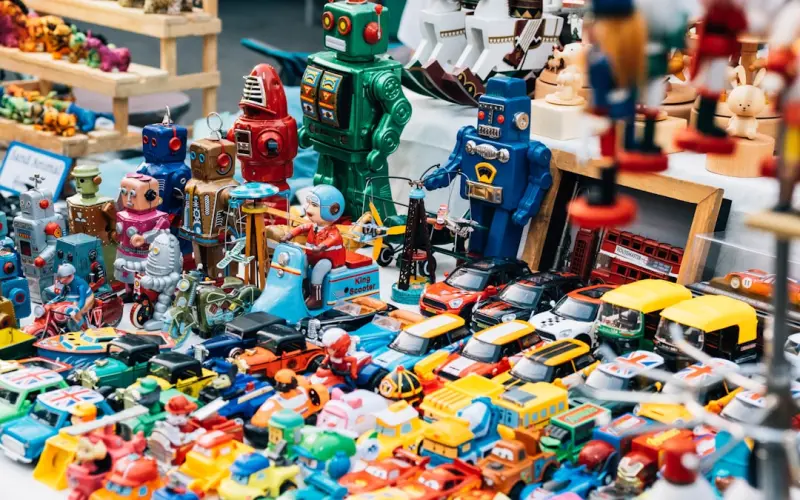
Smart Play: Why AI‑Driven Toys Are the Next Big Thing in Kids’ Rooms
AI‑enabled toys are turning playrooms into data‑rich learning labs, offering personalized experiences, robust privacy, and subscription content that keeps k...Read More
Conversational Communities: The Next Evolution in Social Media Strategy
Learn why shifting from broadcast posts to genuine conversations on platforms like Discord and private groups fuels brand loyalty, uncovers actionable insights,...Read More
Mobile SEO Playbook: Turning Pocket‑Sized Traffic into SaaS Growth
A step‑by‑step guide shows SaaS marketers how to master mobile‑first SEO, from Core Web Vitals and structured data to PWAs and app store optimization, tur...Read More
0 Comments
Post Comment
You will need to Login or Register to comment on this post!