
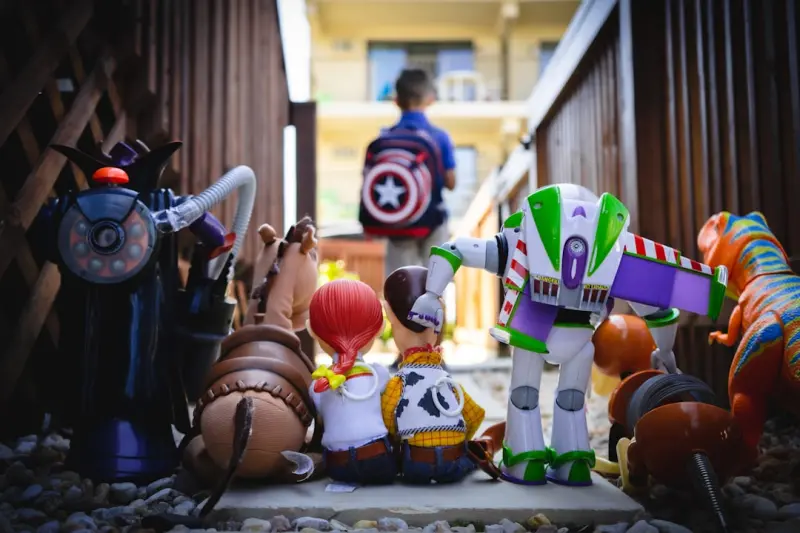
Why Sustainable Toys Are No Longer a Niche
In a world where digital screens have become the default playground, a quiet revolution is sprouting on the living‑room floor as parents, educators, and designers alike are gravitating toward toys that are as kind to the planet as they are delightful to little hands, recognizing that every plastic brick or plush bear carries a hidden environmental story that can either add to the growing waste crisis or become a teachable moment about stewardship.
These sustainable playthings—crafted from responsibly sourced hardwood, recycled ocean‑plastics, organic cotton, or even up‑cycled household objects—are proving that environmental stewardship and imaginative fun are not mutually exclusive, but rather complementary pillars of modern childhood, because a well‑made wooden puzzle can spark curiosity while subtly demonstrating the value of renewable resources.
By choosing products that prioritize durability, recyclability, and non‑toxic finishes, families are not only reducing landfill contributions but also planting the seed of responsibility in children, who learn early that the materials they touch can be part of a larger ecosystem and that thoughtful choices today shape a healthier world tomorrow.
Materials That Make a Difference
The backbone of any sustainable toy is the material it’s made from, and today manufacturers are turning to innovative alternatives such as bamboo, hemp, and plant‑based bioplastics, which offer comparable strength and safety to conventional plastics while boasting a significantly lower carbon footprint thanks to rapid renewability and minimal processing requirements.
Recycled plastics, sourced from post‑consumer waste streams like water bottles and fishing nets, undergo rigorous cleaning and reforming processes that transform what was once debris into vibrant building blocks, and when these components are combined with natural dyes derived from vegetables or minerals, the resulting toys not only look appealing but also eliminate harmful chemicals that can leach into a child’s skin or the environment.
Organic fabrics, certified by third‑party standards, provide a soft, hypoallergenic surface for cuddly companions, and because they are grown without synthetic pesticides or GMOs, they reduce agricultural runoff, making the entire lifecycle—from seed to stitch—far more eco‑friendly.
Designing for Open‑Ended Play
Beyond the raw materials, sustainable toys excel when they encourage open‑ended play, inviting children to use imagination rather than relying on preset narratives, because a simple wooden stacker can become a tower, a bridge, or a spaceship depending on the story the child weaves, fostering cognitive flexibility and problem‑solving skills that digital toys often overlook.
Designers are now focusing on modularity, allowing pieces to be combined in countless configurations, and this approach extends the toy’s lifespan—when a child outgrows one use, the same components can serve new purposes, reducing the need for frequent replacements and keeping the product relevant for multiple developmental stages.
By integrating sensory elements such as varied textures, natural sounds, or subtle aromas from sustainably sourced woods, these toys also support neurodivergent children who benefit from multi‑sensory stimulation, making the play experience richer and more inclusive for all learners.
The Business Case: Green Branding for Toy Makers
From a market perspective, the shift toward sustainable toys is not just an ethical choice but a lucrative strategy, as surveys reveal that a growing segment of parents are willing to pay a premium for products that align with their values, and brands that transparently communicate their eco‑credentials often enjoy higher loyalty and repeat purchases.
Companies can leverage strategic content clustering to create educational hubs that explain sourcing, manufacturing, and end‑of‑life options, thereby building authority in the niche and driving organic traffic from environmentally conscious shoppers searching for trustworthy alternatives.
Furthermore, integrating predictive SEO techniques allows brands to anticipate emerging green search trends, ensuring that their product pages rank prominently when consumers look for “eco‑friendly building blocks” or “non‑toxic baby toys,” turning intent into conversion.
How Parents Can Spot Genuine Green Credentials
In the crowded marketplace, not every “green” label is created equal, so savvy parents should look for third‑party certifications such as FSC for wood, GOTS for textiles, or the Global Recycled Standard for plastics, which verify that the materials meet strict environmental and social criteria throughout the supply chain.
Beyond certifications, transparent storytelling on packaging—detailing the origin of the material, the manufacturing process, and the end‑of‑life plan, whether that be compostable, recyclable, or up‑cyclable—serves as a reliable indicator of authenticity, as brands that hide these details often have something to conceal.
Finally, evaluating the durability and reparability of a toy can reveal its true sustainability; products designed for easy part replacement or simple repair extend their usable life, reducing waste and providing a practical lesson in maintenance for children who learn to value longevity over disposability.
DIY Upcycled Toy Projects for Creative Families
For families eager to personalize their playtime while reducing waste, DIY upcycling projects offer a hands‑on approach to sustainable fun, turning everyday items like cardboard tubes, bottle caps, or old clothing into imaginative toys that spark creativity and teach resourcefulness.
Simple projects—such as crafting a sensory bin from a repurposed laundry basket, sewing a plush animal from reclaimed fabric scraps, or building a race track using reclaimed wood pallets—require minimal tools, encourage collaborative family moments, and provide a tangible demonstration that “trash” can become treasure.
Sharing these creations on social platforms can also amplify the sustainability message, and by linking to resources like social audio marketing, makers can inspire a community of like‑minded parents who swap ideas, fostering a collective movement toward greener play.
Future Trends: Circular Economy in Play
Looking ahead, the toy industry is beginning to embrace the circular economy model, where products are designed for continuous reuse, refurbishment, or recycling, effectively closing the loop and minimizing resource extraction, a shift that aligns with broader consumer expectations for responsible consumption.
Initiatives such as take‑back programs, where manufacturers accept used toys for refurbishing or material recovery, and subscription services that rotate a curated set of sustainable toys throughout the year, are gaining traction, offering families fresh experiences while ensuring that each item remains in active use rather than languishing in landfills.
As legislation around plastic waste tightens and consumer awareness rises, brands that proactively adopt circular principles will not only comply with emerging regulations but also position themselves as pioneers, capturing market share among eco‑savvy shoppers who value long‑term stewardship over short‑term novelty.
Conclusion: Play with Purpose
The surge in sustainable toys reflects a deeper cultural shift toward mindful consumption, where the act of play becomes an opportunity to teach values, protect the planet, and nurture imagination without compromising on safety or fun, proving that responsible design can coexist with boundless creativity.
By prioritizing renewable materials, encouraging open‑ended play, and supporting transparent brand practices, parents and educators can empower the next generation to grow up with a built‑in respect for the environment, turning each bedtime story and building block into a small but meaningful step toward a healthier world.
When the toys we choose today embody purpose and play, we set the stage for children to inherit a brighter, greener future—one where the joy of imagination is matched by the joy of stewardship.

Related Posts

The Future of Play: How Modern Toys Spark Creativity and Connection
A deep dive into the trends reshaping toys— from empathy‑first design and sustainability to ARâ€... Read More
The Enduring Allure of Collectible Toys: A Personal Perspective
Collectible toys have been a part of human culture for centuries, inspiring creativity and bringing ... Read More

Playful Evolution: How Modern Toys Are Redefining Childhood
Discover the surge of human‑centric toys that go beyond fun, fostering learning, imagination, and ... Read More
Top Posts
Unlocking WordPress SEO: The Power of Structured Site Architecture
Learn how a well‑planned WordPress site architecture—using silos, menus, breadcrumbs, and smart permalinks—can dramatically improve SEO, user experience, ...Read More

From One Piece to Ten: Turning a Single Blog Post into a Content Ecosystem
Discover a step‑by‑step workflow that transforms a single, well‑crafted article into a full content ecosystem—visuals, short‑form posts, audio snippet...Read More

The Secret Sauce of WordPress Taxonomy for SEO Dominance
A deep dive into why taxonomy architecture is the unsung hero of WordPress SEO, offering actionable strategies, tools, and metrics to turn a chaotic content lib...Read More

From Clicks to Customers: Mastering Attribution in Social Media Advertising for SaaS
A deep dive into building a robust attribution framework for SaaS social media advertising, covering data foundations, model selection, creative testing, and fu...Read More
0 Comments
Post Comment
You will need to Login or Register to comment on this post!