
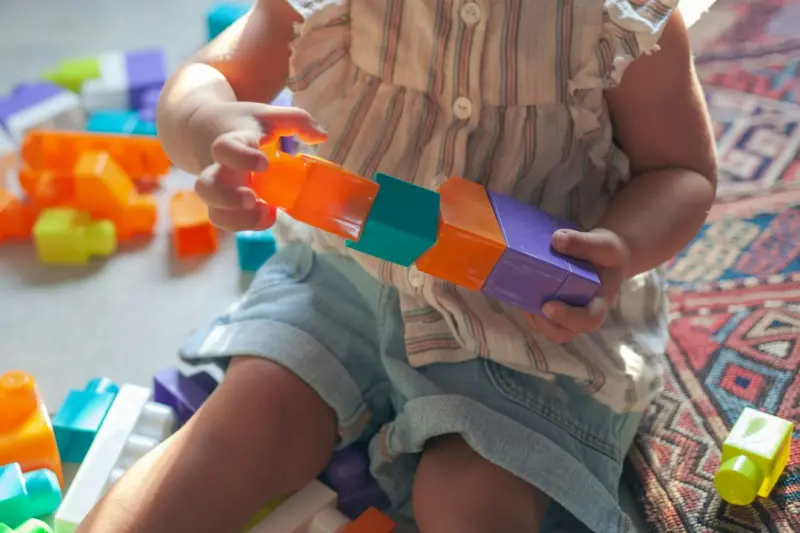
Why AI‑Powered Play is the Next Big Thing in Kids’ Rooms
When I first walked into a toy aisle as a kid, the options were simple: plastic figures, wooden blocks, and the occasional battery‑powered robot that could only say “Hello.” Fast‑forward to today, and the shelves are brimming with toys that learn, adapt, and even converse. As a lifelong enthusiast of the intersection between technology and imagination, I’ve been watching the rise of AI‑enabled toys with a mix of excitement and a healthy dose of curiosity. This isn’t just another fad; it’s a fundamental shift in how children engage with the world, and it’s happening faster than many parents (and marketers) realize.
The Evolution from “Smart” to “Sentient‑Like”
Remember the first wave of “smart” toys? They could be programmed with a handful of phrases, respond to a button press, or follow a simple line on the floor. Those gadgets were impressive for their time, but they were essentially glorified gadgets with limited interaction. AI‑powered toys, by contrast, leverage machine‑learning models that can recognize speech patterns, interpret emotional cues, and even generate content on the fly.
What does that look like in practice? Picture a plush dinosaur that not only tells bedtime stories but also asks follow‑up questions based on a child’s responses, tailoring the narrative to their interests. Or a building set that suggests new configurations after observing the kid’s current structure, nudging them toward concepts like symmetry and balance without a human adult stepping in.
Personalized Learning Without the Pressure
One of the most compelling benefits of AI‑driven toys is their ability to personalize learning pathways. Traditional educational toys often adopt a one‑size‑fits‑all approach, assuming a uniform pace for every child. AI, however, can dynamically adjust difficulty, introduce new vocabularies, or shift focus to topics that spark genuine curiosity.
Take a language‑learning robot that monitors how quickly a child picks up new words, then subtly ramps up the challenge, introducing idioms and jokes at just the right moment. The result is a learning environment that feels like a playful conversation rather than a classroom drill, fostering confidence and a love for discovery.
Safety, Privacy, and the Trust Factor
With great power comes great responsibility. Parents naturally worry about data collection, voice recordings, and the potential for over‑reliance on screens. Reputable manufacturers are beginning to address these concerns by:
- Local Processing: Keeping AI calculations on the device itself, minimizing the need to transmit data to the cloud.
- Transparent Policies: Offering clear, jargon‑free explanations of what data is collected, why it’s needed, and how it’s deleted.
- Parental Controls: Providing dashboards where caregivers can set interaction limits, review logs, and even mute the microphone when needed.
When these safeguards are in place, the trust gap narrows, allowing families to reap the benefits of intelligent play without sacrificing peace of mind.
From Playtime to Co‑Creation: Kids as Designers
AI isn’t just a passive assistant; it can become a collaborator. Some newer toys let children teach the AI new tricks, record custom songs, or draw characters that the toy then brings to life. This co‑creative loop empowers kids to see themselves as designers, not just consumers.
Imagine a drawing pad that watches a child sketch a spaceship, then animates it in a 3D environment, offering suggestions for propulsion or alien passengers. The child’s imagination fuels the AI, and the AI, in turn, expands the child’s creative horizon—a virtuous cycle of inspiration.
Market Momentum: What the Numbers Are Saying
According to recent market research, the global AI toy market is projected to double its revenue within the next five years. While that statistic alone is compelling, the real story lies in consumer sentiment. Parents report higher satisfaction scores for toys that adapt to their child’s mood and learning style, and educators are increasingly incorporating AI‑enabled kits into after‑school programs.
This momentum is not just about revenue; it’s about cultural acceptance. As more families experience the benefits firsthand, the stigma around “screen time” is gradually being replaced with a nuanced conversation about “interactive time.”
Designing for Inclusivity
One of the lesser‑discussed advantages of AI toys is their capacity for inclusivity. By training models on diverse linguistic and cultural datasets, manufacturers can create toys that recognize a broad range of accents, dialects, and even non‑verbal cues. This ensures that children from different backgrounds feel seen and heard, fostering a sense of belonging from the earliest play experiences.
Moreover, adaptive AI can provide alternative communication methods for children with special needs, such as sign‑language recognition or visual prompts, turning a simple toy into a bridge to social interaction.
Business Implications: Why Brands Should Care
From a brand perspective, AI toys open up new revenue streams beyond the traditional one‑time purchase. Subscription models for content updates, seasonal story packs, and even “skill‑learning” modules can keep a product fresh for years. Additionally, the data (when ethically collected) offers valuable insights into play patterns, informing future product development and marketing strategies.
For example, a company could analyze which story arcs generate the most engagement and use that intelligence to craft next‑generation narratives, effectively turning play data into a product roadmap. It’s a loop that mirrors the content‑driven growth strategies we champion in SaaS, just applied to the tactile world of toys.
Real‑World Example: A Toy That Grows With Its Owner
One standout case is sustainable play trends meeting AI. A startup introduced a modular robot made from recycled plastics that learns a child’s favorite activities and evolves its behavior over time. The robot starts with basic movement, then gradually adds speech, problem‑solving challenges, and even collaborative games with siblings. The modular design ensures that as the child ages, the toy can be reconfigured rather than discarded, marrying longevity with intelligence.
This hybrid approach showcases how brands can differentiate themselves by weaving together environmental stewardship and cutting‑edge tech, delivering a product that feels both responsible and futuristic.
Future Glimpses: What’s on the Horizon?
Looking ahead, a few trends are poised to deepen the AI‑toy ecosystem:
- Emotionally Aware Toys: Devices that detect a child’s emotional state through voice tone and facial expressions, adjusting tone and content to provide comfort or encouragement.
- Cross‑Device Ecosystems: Toys that sync with tablets, smart speakers, or AR glasses, creating seamless experiences that blend physical and digital play.
- Open‑Source AI Kits: Platforms that let hobbyists and educators build custom AI models for toys, fostering a community of makers and expanding the creative possibilities.
These developments suggest a future where play is not just entertaining but also deeply enriching, adaptable, and socially responsible.
Practical Tips for Parents Considering AI Toys
If you’re intrigued but cautious, here are three steps to make an informed purchase:
- Research the Data Policy: Look for brands that prioritize on‑device processing and provide transparent privacy statements.
- Start Small: Begin with a single‑function AI toy (e.g., a story‑telling companion) before moving to more complex platforms.
- Engage Together: Use the toy as a shared activity. Your involvement not only ensures safety but also amplifies the educational impact.
Remember, the goal isn’t to replace human interaction but to augment it, providing new avenues for curiosity and growth.
Conclusion: Play That Grows With Us
The era of AI‑powered toys is no longer a speculative vision; it’s an emerging reality reshaping childhood experiences. By offering personalized learning, fostering co‑creation, and championing inclusivity, these toys promise a richer, more dynamic play environment. For parents, educators, and brands alike, the challenge is to navigate the balance between innovation and responsibility, ensuring that technology serves as a catalyst for imagination rather than a barrier.
When we embrace AI as a thoughtful play partner, we open doors to endless possibilities—where a simple block can become a stepping stone to lifelong curiosity.

Related Posts

Why Imaginative Play Still Beats Screens: A Deep Dive into Story‑Centric Toys
A deep dive into the rise of story‑centric toys reveals how open‑ended, sustainable play experie... Read More

The Magic of Collectible Toys: A Journey Through Time
Collectible toys have a way of tapping into our sense of nostalgia, evoking memories of childhood an... Read More

The Power of Play: How Collectible Toys Bring People Together
Collectible toys have a special place in the hearts of many enthusiasts. They bring people together,... Read More
Top Posts
Gamify Your Link Building: Turning Fun into Authority
Learn how turning link building into a game can motivate teams, generate high‑quality backlinks, and create a sustainable SEO engine—all while keeping the p...Read More

Decoding Google’s Algorithm: A Human‑Centric Journey for Modern SEO
Explore the latest Google algorithm shifts through a human‑centric lens, learning practical tactics to improve crawl budget, E‑A‑T, and content relevance ...Read More

Mobile SEO Mastery in 2024: Jimmy Anand’s Playbook for Mobile-First Success
Jimmy Anand shares his insider strategies for conquering Mobile SEO in 2024, covering performance, UX, and emerging trends to dominate mobile search results....Read More

Embracing the Future of SEO: Navigating the Shifting Landscape
The world of SEO is constantly evolving. Learn how to navigate the shifting landscape and optimize your online presence with the latest trends and strategies....Read More
0 Comments
Post Comment
You will need to Login or Register to comment on this post!