

When I was a kid, the most coveted treasure in the neighborhood wasn’t the latest gadget—it was the cardboard box that could become a spaceship, a pirate ship, or a secret hideout with just a few scribbles. Fast forward to today, and you’ll find shelves packed with glittering plastic, battery‑powered gizmos, and apps that promise endless engagement. Yet, beneath the flash and noise, a quieter, more powerful movement is gaining momentum: the resurgence of narrative‑driven, imagination‑centric toys that put story‑telling back in the driver’s seat.
The Quiet Revolution of Narrative Play
Parents, educators, and even tech developers are rediscovering an old truth: children learn best when they can weave their own stories. This isn’t about handing them a pre‑written script; it’s about providing the building blocks—characters, settings, and challenges—that spark their creativity. Unlike the smart hybrid toys that blend screens with plastic, narrative play emphasizes open‑ended exploration. A set of wooden blocks, a collection of illustrated cards, or a simple set of figurines become the canvas for limitless adventures.
Why Stories Matter More Than Ever
Research in developmental psychology shows that story‑making improves language acquisition, empathy, and problem‑solving skills. When kids narrate a tale, they’re simultaneously practicing sequencing, cause‑and‑effect reasoning, and perspective‑taking. In an era where screen time often fragments attention, a cohesive story provides a mental anchor, allowing children to develop deeper focus and memory retention.
Design Principles for Story‑Centric Toys
Creating toys that encourage narrative play isn’t a matter of slapping a logo on a product. It requires thoughtful design that respects a child’s innate curiosity. Below are three guiding principles that successful narrative toys share:
- Modular Flexibility: Pieces should be interchangeable, allowing for countless configurations. Think of magnetic tiles that snap together in any shape, or magnetic characters that can be repositioned on any backdrop.
- Open‑Ended Prompts: Rather than prescribing a single outcome, include question cards, scenario prompts, or story dice that nudge children toward new plot twists.
- tactile Engagement: Materials that feel good in little hands—soft fabrics, textured wood, or smooth silicone—invite prolonged interaction and sensory exploration.
Case Study: The Rise of DIY Adventure Kits
One emerging category that exemplifies these principles is DIY adventure kits. These kits typically include a handful of physical components—maps, stickers, character tokens—paired with a small booklet of narrative seeds. Kids can chart a treasure hunt across their living room, invent challenges, and even record outcomes in a simple journal.
What sets these kits apart is their ability to blend the tactile pleasure of handling real objects with the imaginative freedom of storytelling. The kits often avoid heavy reliance on apps, offering optional digital extensions for families who want to capture photos or share their stories online. This balanced approach respects both the analog joy of play and the modern desire for connection.
Bridging the Gap Between Physical and Digital
While the focus here is on story‑driven, non‑screen toys, the reality is that many families enjoy a hybrid experience. The key is to make the digital component an enhancer, not a replacement. For instance, a simple personalized play experience platform could let parents upload a photo of their child’s bedroom, then generate a custom backdrop for a cardboard castle set. The result is a seamless bridge where technology amplifies the narrative without dictating it.
Marketing Narrative Toys: From Storytelling to Story‑Selling
From a business perspective, promoting story‑centric toys requires a shift from feature‑focused copy to emotion‑focused storytelling. Marketers need to showcase the moments of imagination these toys unlock, not just the number of pieces in the box. Highlighting user‑generated stories—photos of a child’s epic dragon battle or a family’s collaborative board game night—creates social proof that resonates with other parents seeking meaningful play.
In fact, leveraging targeted toy marketing strategies can help brands reach niche audiences who value educational and imaginative play over flashy tech. By segmenting campaigns around interests such as “eco‑friendly families” or “STEM‑focused parents,” brands can deliver messages that align with the core values of their target market.
Eco‑Conscious Choices: Sustainability Meets Storytelling
Another compelling trend intersecting with narrative toys is sustainability. Parents are increasingly scrutinizing the environmental impact of the products they bring into their homes. Toys made from reclaimed wood, recycled plastics, or biodegradable fabrics not only reduce waste but also provide an additional storytelling layer—imagine a “forest rescue” adventure where the hero saves a tree made from sustainably sourced timber.
Brands that transparently share their sourcing practices and embed these values into the play narrative can differentiate themselves in a crowded marketplace. When a child learns that their toy is part of a larger environmental story, it deepens the emotional bond and reinforces the educational aspect of play.
Future Outlook: The Next Chapter for Narrative Play
Looking ahead, the evolution of narrative toys will likely involve three converging forces:
- AI‑Assisted Story Generation: Simple AI tools could suggest plot twists or character arcs based on a child’s previous creations, keeping the experience fresh without removing agency.
- Community‑Driven Story Platforms: Online hubs where families share their custom narratives, swap components, and collaborate on large‑scale story projects.
- Cross‑Sensory Integration: Incorporating scent, sound, and light in subtle ways to enrich the storytelling atmosphere while keeping the core play physical.
These developments promise to keep narrative play vibrant, adaptable, and deeply rewarding for the next generation of imaginative explorers.
Practical Tips for Parents and Educators
Whether you’re a parent looking to enrich bedtime routines or an educator designing a classroom activity, here are actionable steps to integrate narrative toys into daily life:
- Start Small: Introduce a single set of story dice or a modest collection of figurines. Let the child dictate the plot.
- Co‑Create: Participate in the storytelling process. Ask open‑ended questions like “What does your hero feel now?” to deepen engagement.
- Document the Journey: Use a sketchbook or simple voice recorder to capture stories. Revisiting these narratives reinforces memory and confidence.
- Rotate Materials: Keep the play environment fresh by periodically swapping out props or introducing new prompt cards.
- Encourage Collaboration: Invite siblings or peers to join in. Collaborative storytelling builds communication skills and empathy.
Conclusion: Reclaiming the Power of Imagination
In a world saturated with screens and instant gratification, the humble act of weaving a story with tangible toys remains a potent tool for growth. Narrative‑centric toys invite children to become authors of their own adventures, fostering critical thinking, emotional intelligence, and a love for lifelong learning. By championing open‑ended design, sustainable materials, and thoughtful marketing, creators can ensure that the next generation continues to cherish the magic of a story told through the simple joy of play.

Related Posts
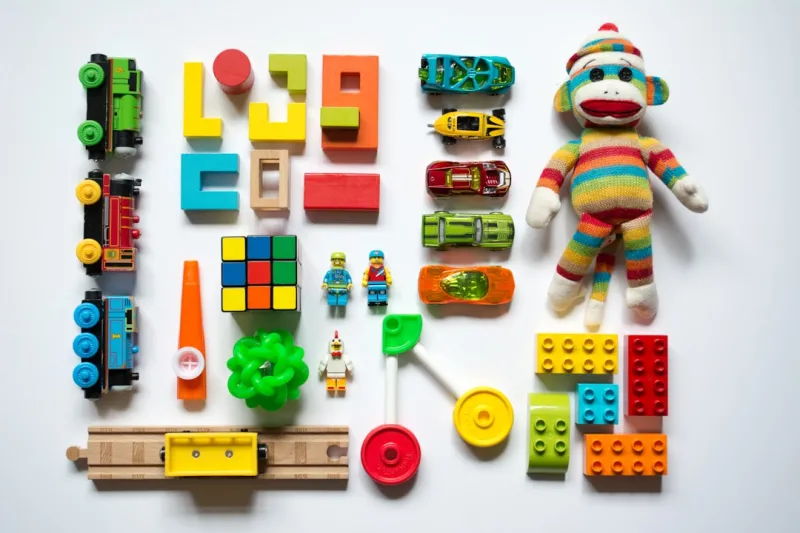
The Everlasting Magic of Collectible Toys
Collectible toys evoke nostalgia, spark creativity, and bring people together. Explore the world of ... Read More

Why Sustainable Toys Are the Future of Play
Sustainable toys aren’t just a trend—they’re a movement. From reclaimed wood blocks to biodegr... Read More
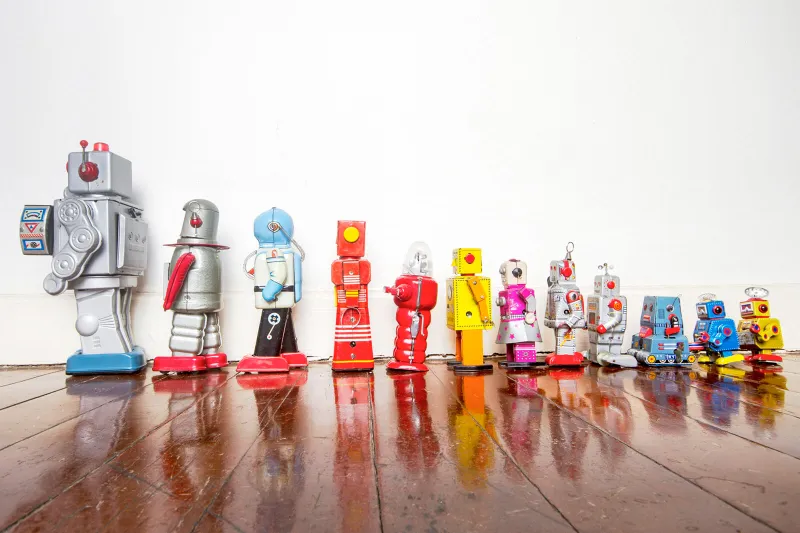
Why Collectible Toys Continue to Inspire Creativity
Collectible toys have been a staple of childhood imagination and creativity for generations. From vi... Read More
Top Posts

Revolutionizing Link Building: Strategies for Success
Revolutionize your link building strategy with expert insights and tips. Learn how to build high-quality links that drive real results and stay ahead in the gam...Read More

Why Progressive Web Apps Are the Secret Weapon for Mobile SEO
Progressive Web Apps combine lightning‑fast load times, app‑like interactivity, and SEO-friendly markup, giving SaaS companies a powerful edge in mobile sea...Read More

Building a Living Content Ecosystem: From One Idea to Infinite Reach
Learn the blueprint for a living content ecosystem that repurposes a single idea into blogs, videos, podcasts, and interactive tools, turning every piece into a...Read More

Deep Linking and Mobile SEO: Turning Apps into Search Engines
Learn to integrate deep links, optimize mobile architecture, and leverage structured data so your app appears in search results, boosting visibility and convers...Read More
0 Comments
Post Comment
You will need to Login or Register to comment on this post!