

Why Mobile SEO Needs a New Playbook
When I first started writing about search, the mantra was “mobile‑first or bust.” Today that mantra feels stale because the battlefield has shifted from simple responsive pages to the intricate dance between native apps and the web. Mobile users now spend a majority of their time inside apps, yet they still turn to Google when they need answers. That paradox creates a golden opportunity: if your app can be discovered through search, you capture intent that would otherwise bypass your brand entirely. I’ve watched countless clients lose traffic because they assumed their app presence was enough. The reality is that Google indexes deep links just like it does URLs, and it rewards sites that make that connection seamless. In this article I’ll walk you through the practical steps to turn your app into a searchable asset, and why the effort pays off in higher click‑through rates, better user retention, and a measurable lift in revenue.
App Deep Linking: The Bridge Between Search and Native Experiences
Deep linking is the technology that lets a URL open a specific screen inside a native app, bypassing the homepage and delivering users exactly where they need to be. From a mobile SEO perspective, each deep link is an additional indexable entry in Google’s catalog, meaning you can rank for product pages, support articles, or even promotional offers directly from the SERP. The trick is to expose those links in a format Google can crawl—usually via JSON‑LD or the App Indexing API. When done right, a search for “red running shoes size 10” could land a user straight in your app’s product view, shaving seconds off the conversion funnel. It also means you can tap into Google’s “App Store” rich results, which appear with an app icon and a direct “Open” button, giving you prime real‑estate above the fold. In practice, this translates to higher engagement metrics, because users are less likely to abandon a journey that feels frictionless from the moment they click.
Universal Links and Intent Filters: Best Practices for iOS and Android
Implementing deep linking sounds straightforward, but the devil lies in the platform nuances. On iOS, you’ll use Universal Links, which require a properly configured apple‑app‑site‑association (AASA) file hosted on your domain. Android relies on App Links with a similar assetlinks.json file. Both files must be served over HTTPS and contain a precise list of paths you want Google to associate with your app. A common pitfall is over‑exposing every page, which can dilute relevance; instead, focus on high‑value screens like product details, checkout, and account pages. Also, always provide a fallback URL that leads to a mobile‑optimized web version for users without the app installed—Google penalizes dead‑ends. Finally, test your implementation with tools like Apple’s Validation Service and Android’s Digital Asset Links Tester to avoid broken experiences that could damage trust and rankings.
Optimizing Mobile Site Architecture for Faster Crawling
Even with deep links in place, Google still needs to crawl your mobile site efficiently. The key is to keep the JavaScript payload lean and to serve critical content without unnecessary redirects. A modular approach—splitting code into reusable chunks—helps browsers fetch only what they need, which improves Core Web Vitals like Largest Contentful Paint (LCP) and Cumulative Layout Shift (CLS). Use server‑side rendering (SSR) for above‑the‑fold content, and defer non‑essential scripts to after the initial paint. Lazy‑loading images and employing modern image formats like WebP can shave kilobytes off the response, directly boosting mobile load times. Remember, Google’s mobile‑first index favors sites that demonstrate both speed and stability, so a well‑optimized architecture not only helps rankings but also ensures that your deep links land on a fast, responsive page that retains users long enough to engage with the app prompt.
Leveraging Structured Data for Mobile Voice Search
Voice search on mobile devices is exploding, and Google often surfaces answers from app content when the query matches a deep link. To make that happen, you need to embed structured data that describes the app’s entities—products, events, or FAQs—in a format Google can understand. JSON‑LD markup for MobileApplication, Offer, and Product types signals that your app holds the answer. Pair this with potentialAction entries that map spoken intents to specific deep links, and you increase the odds of appearing in “Answer Box” or “Featured Snippet” positions. The result is a voice‑activated pathway straight into your app, turning a casual question like “Where can I find a vegan brunch near me?” into an instant booking experience. By aligning schema with your deep linking strategy, you create a cohesive ecosystem where web, voice, and app all point to the same conversion goal.
Internal Linking on Mobile: Guiding Google’s Crawl Budget
Internal linking isn’t just for desktop hierarchies; on mobile it’s a tactical lever for directing Google’s crawl budget toward your most valuable deep‑linkable pages. By constructing a clear, shallow site map that highlights product and service pages, you signal to Google where to invest its indexing resources. Use descriptive anchor text that mirrors the deep link’s intent, and interlink related content to create topical clusters. For instance, a blog post about “Summer Running Gear” should link to the specific shoe deep link with a phrase like “Shop the red running shoes size 10.” This not only boosts the deep link’s relevance but also reinforces the semantic relationship for the algorithm. For a deeper dive on the power of internal links, see my earlier piece on internal linking strategies that work across devices.
Edge Computing: Speeding Up Mobile Deliveries
One of the most underutilized tools in a mobile SEO arsenal is edge computing, which brings content closer to the user’s device by caching it at geographically dispersed nodes. When combined with deep linking, edge nodes can serve a lightweight redirect payload that instantly opens the app, bypassing the need for a full page load. This dramatically reduces Time to First Byte (TTFB) and improves perceived performance—metrics that Google weighs heavily for mobile rankings. Edge functions also enable you to personalize the response based on device type, network speed, or even the user’s location, ensuring that the deep link is presented in the most compelling format. To explore how edge technologies intersect with mobile SEO, check out my article on edge computing and its impact on page speed.
Measuring Success: Mobile‑Centric Metrics That Matter
Implementing deep links and performance tweaks is only half the battle; you need robust analytics to prove ROI. Track app install attribution through Google’s App Campaigns, but also monitor on‑site metrics like Mobile Bounce Rate, Session Duration, and Conversion Funnel Drop‑off points. Set up custom events in Google Analytics 4 to capture “App Opened via Search” and correlate those with revenue data. Additionally, keep an eye on SERP features: a rise in “App” rich results or voice‑activated answers indicates that Google is indexing your deep links successfully. Use the Search Console’s Mobile Usability report to spot crawl errors, and regularly audit your structured data for validation issues. By aligning these mobile‑specific KPIs with your broader SEO goals, you can iterate on your strategy with confidence, ensuring that every tweak translates into tangible business outcomes.
The Road Ahead: Embracing a Seamless App‑Web Continuum
Mobile SEO is no longer a separate lane from app marketing—it’s a converging highway where search, voice, and deep linking intersect to create frictionless user journeys. The next wave of growth will belong to brands that treat their app as an extension of their web presence, exposing every high‑value screen to Google’s index and delivering it at lightning speed via edge networks. As we continue to refine these tactics, the core principle remains unchanged: give users exactly what they need, exactly when they need it, whether they’re on a phone browser or inside your app. If you haven’t started mapping your deep links or optimizing for mobile Core Web Vitals, now is the time. The search landscape won’t wait, and the users certainly won’t.

Related Posts

Mobile SEO Mastery: Turning Tiny Screens into Massive Traffic
Learn how to dominate mobile search with PWAs, mobile‑first structured data, and app‑store syner... Read More
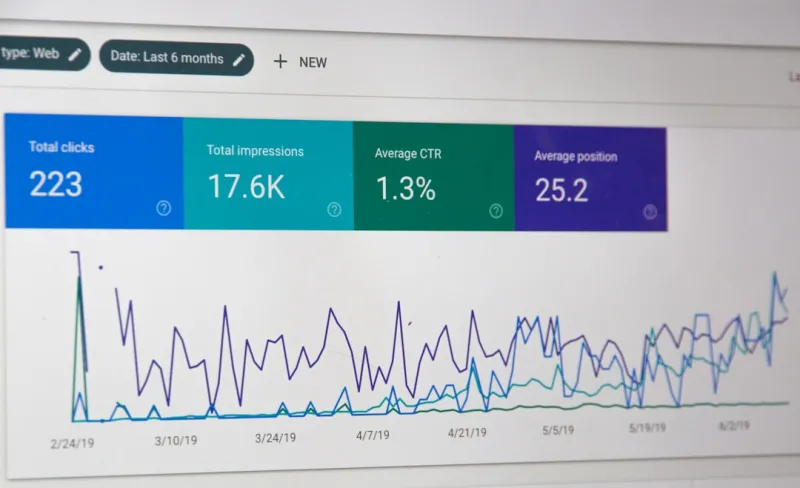
Mobile SEO Mastery: Boost Rankings on the Go
Unlock the secrets of mobile SEO with expert strategies that blend technical precision and user empa... Read More

Mobile SEO: The Key to Unlocking Your Website's Full Potential
Mobile SEO is critical for businesses that want to stay ahead of the competition. Learn how to optim... Read More
Top Posts

Riding the Wave: Emerging Content Formats That Redefine Engagement
Explore innovative content formats—from AI‑driven stories to interactive knowledge maps—that are reshaping audience engagement and building lasting brand ...Read More
Unlocking the Hidden SEO Power of WordPress Taxonomies
A deep dive into WordPress site architecture—covering permalinks, custom taxonomies, CPTs, internal linking, and headless setups—to build a scalable SEO fou...Read More

WordPress SEO in 2024: David Moore’s Proven Playbook for Ranking Success
David Moore shares his 2024 WordPress SEO playbook, covering core web vitals, structured data, AI‑driven content, and high‑quality link building to dominate...Read More

Why Visual Repurposing Is the Secret Weapon for Modern Content Creators
Learn the step‑by‑step process to transform written content into eye‑catching visuals, distribute them strategically, and measure real ROI for lasting bra...Read More
0 Comments
Post Comment
You will need to Login or Register to comment on this post!