

When Augmented Reality Steps Into the Toy Box
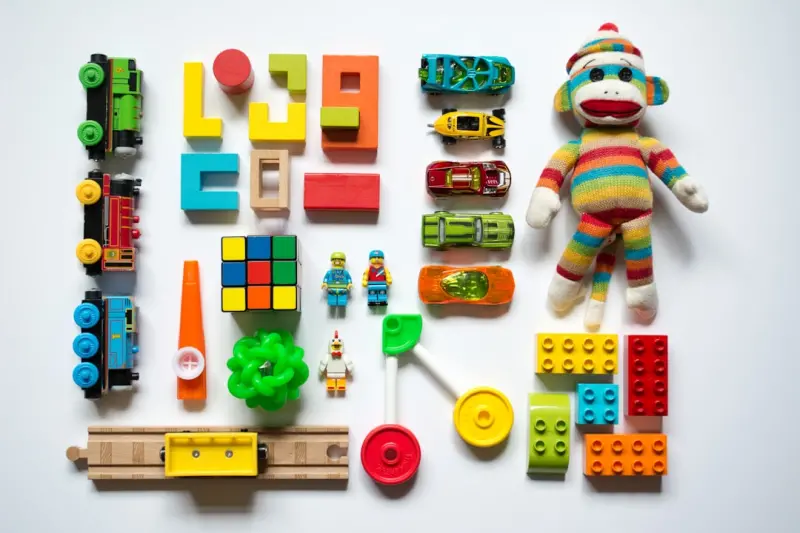
Imagine pulling a classic wooden train set off the shelf, only to see a shimmering digital overlay appear, guiding each carriage along a new, fantastical route. That’s the promise of augmented reality (AR) for today’s toys—a blend of the tactile comfort of physical play with the limitless possibilities of the digital world. While the toy industry has long chased novelty through flashy colors and clever mechanisms, the integration of AR marks a deeper shift: it transforms the very nature of how we interact with playthings.
Why AR Is More Than a Gimmick
For decades, toys have been a mirror of cultural trends. The wooden blocks of the 1960s reflected a post‑war desire for simplicity, while the neon‑lit action figures of the 1990s echoed a pop‑culture explosion. AR, however, introduces a layer of interactivity that is not bound by physical constraints. It can:
- Layer information: A dinosaur figurine can now display its prehistoric habitat, complete with moving flora and fauna, when viewed through a smartphone.
- Adapt in real time: A board game can alter its storyline based on players’ decisions, projecting new challenges directly onto the game board.
- Bridge generations: Grandparents can share nostalgic toys, while their grandchildren experience them through a fresh, digital lens.
These capabilities mean that AR isn’t just a flashy add‑on—it’s a platform for deeper storytelling, learning, and social connection.
Classic Toys Reimagined
Several beloved toys have already begun their AR metamorphosis, showing how a well‑executed digital overlay can breathe new life into familiar forms.
Board Games Turned Dynamic Arenas
Think of the iconic game of Monopoly. Traditionally, players move tokens around a static board, buying and trading properties. With AR, the board can become a living cityscape: skyscrapers rise as you purchase them, traffic flows, and market fluctuations are visualized in 3‑D. Players can even receive personalized challenges projected onto the board, turning a familiar game night into an ever‑changing experience.
Action Figures With a Story Engine
Superhero figurines have long relied on imagination. AR apps now let kids scan a figure and watch a short animated comic play out, complete with voice‑overs and dynamic backgrounds. The physical toy becomes a trigger for a narrative engine that can expand endlessly—new episodes can be downloaded, keeping the play experience fresh without needing to purchase additional figures.
Puzzles That Teach
Traditional jigsaw puzzles are excellent for spatial reasoning, but AR can layer educational content on top. When the final piece is placed, an AR overlay might animate a historical scene related to the puzzle’s image, providing context and deeper learning without interrupting the tactile satisfaction of assembling the puzzle.
Designing AR‑Ready Toys: A New Playbook
Creating a successful AR toy requires more than slapping a QR code onto a product. Designers must consider both the physical and digital experiences as one cohesive system.
Start with the Physical Core
The toy itself should still be compelling without a screen. A well‑balanced weight, sturdy materials, and an intuitive form factor are essential. AR should enhance, not replace, the core play value.
Build a Robust Digital Layer
Developers need to create lightweight, cross‑platform AR experiences. This means using frameworks that run smoothly on both iOS and Android, ensuring low latency so that digital overlays feel seamless. A modular approach to content—where new scenes, challenges, or story arcs can be added via updates—helps keep the product relevant over time.
Consider the Social Element
Play is often a shared activity. AR toys that support multiplayer interactions—whether through synchronized overlays on a shared surface or via a cloud‑based server that tracks progress—tend to generate more sustained engagement. Think of a tabletop war game where each player’s troops are represented physically, while AR projects battlefield effects that all participants can see on a shared screen.
Make the Tech Accessible
Not every family has the latest high‑end smartphone. Designing AR experiences that function well on mid‑range devices widens the potential market. Simpler graphics, efficient asset loading, and optional offline modes can make the difference between a niche product and a mainstream hit.
Marketing AR Toys: Lessons From Other Industries
While the toy market is unique, the challenges of launching a mixed‑reality product echo those faced by SaaS marketers. For example, the concept of immersive content is central to both arenas. Just as brands use immersive storytelling to capture attention online, toy makers can use AR demos to showcase how a physical product transforms when viewed through a device.
Another valuable parallel comes from chat‑first content. Engaging directly with parents and kids through instant messaging platforms, offering quick AR previews, and answering product questions in real time can accelerate purchase decisions. The immediacy of chat mirrors the instant gratification that AR itself provides during play.
The Business Impact: New Revenue Streams
AR opens up multiple monetization avenues beyond the initial product sale.
Digital Expansions
Much like downloadable content (DLC) in video games, toy manufacturers can release new AR story packs, seasonal events, or exclusive challenges that users can purchase. This “content‑as‑a‑service” model keeps revenue flowing long after the physical toy has left the shelf.
Data‑Driven Insights
When users interact with AR features, anonymized usage data can reveal which stories or challenges resonate most. This insight informs future product development and helps creators fine‑tune experiences to match consumer preferences.
Brand Partnerships
Collaborations with media franchises—think movies, TV shows, or comic books—can result in co‑branded AR toys that leverage existing fan bases. The digital layer can be updated with new content aligned with film releases or seasonal promotions, creating a continuous loop of engagement.
Challenges and How to Overcome Them
While AR promises a bright future, it also brings hurdles that designers and marketers must navigate.
- Technical Limitations: Not all devices support advanced AR features. To mitigate this, companies can offer tiered experiences—basic overlays for older phones and richer graphics for newer models.
- Privacy Concerns: Collecting usage data raises questions about child safety and data protection. Transparent privacy policies and compliance with regulations such as COPPA are non‑negotiable.
- Content Fatigue: Overloading a toy with too many digital elements can detract from the tactile joy. Striking a balance ensures the AR layer feels like a delightful surprise rather than a mandatory requirement.
The Road Ahead: What’s Next for AR Toys?
Looking forward, several trends are poised to shape the next wave of AR‑enabled toys.
Mixed Reality Play Spaces
Beyond handheld devices, dedicated mixed‑reality headsets could create entire rooms where physical toys interact with holographic elements. Imagine a sandbox where virtual creatures roam alongside real sand, reacting to each other's movements.
AI‑Powered Personalization
Artificial intelligence can tailor AR narratives based on a child’s age, skill level, or even emotional state. By analyzing facial expressions or voice cues, the system could adjust difficulty, suggest new challenges, or provide encouragement in real time.
Cross‑Platform Ecosystems
Future AR toys will likely integrate with broader ecosystems—smart home devices, voice assistants, and even educational platforms—creating a seamless experience that extends beyond the playroom.
Conclusion: A Playful Fusion of Worlds
Augmented reality is redefining what toys can be. By marrying the tangible comfort of physical play with the dynamic possibilities of digital overlays, creators are opening doors to richer storytelling, deeper learning, and new business models. As the technology becomes more accessible, we’ll see a surge of innovative products that invite children—and even adults—to explore, imagine, and connect in ways that were once only possible in the realm of science fiction.

Related Posts
The Rise of Sustainable Play: How Eco‑Friendly Toys Are Shaping Tomorrow’s Kids
Explore the booming world of sustainable toys, from biodegradable materials to modular designs, and ... Read More

Playful Learning: How Modern Toys Are Redefining Childhood
From AI‑powered storytelling to eco‑friendly materials, modern toys are becoming immersive learn... Read More

Why Toy Libraries Are the Future of Playful Communities
Toy libraries turn neighborhoods into shared playgrounds, offering sustainable, affordable, and soci... Read More
Top Posts

Modular Content Engine: Scaling SaaS Storytelling Piece by Piece
A modular content engine breaks down brand messaging into reusable atoms, molecules, and organisms, letting SaaS teams produce high‑quality assets faster and ...Read More

Storytelling Sequels: How to Turn Blog Series into Evergreen Audience Journeys
Learn to build compelling blog series that act as evergreen audience journeys, driving deeper engagement, higher rankings, and sustained lead generation....Read More

Winning Voice Search for SaaS: A Practical SEO Guide
Voice search is reshaping how B2B buyers discover SaaS solutions. This guide walks through mapping real‑world questions, structuring answer pages, leveraging ...Read More

Navigating Google’s Next‑Gen Algorithms: What SaaS Marketers Should Know
A deep dive into Google’s subtle algorithmic shifts—passage indexing, fresh content signals, multimodal understanding, and entity‑centric ranking—and ac...Read More
0 Comments
Post Comment
You will need to Login or Register to comment on this post!