
The Rise of Community‑Driven Toy Libraries
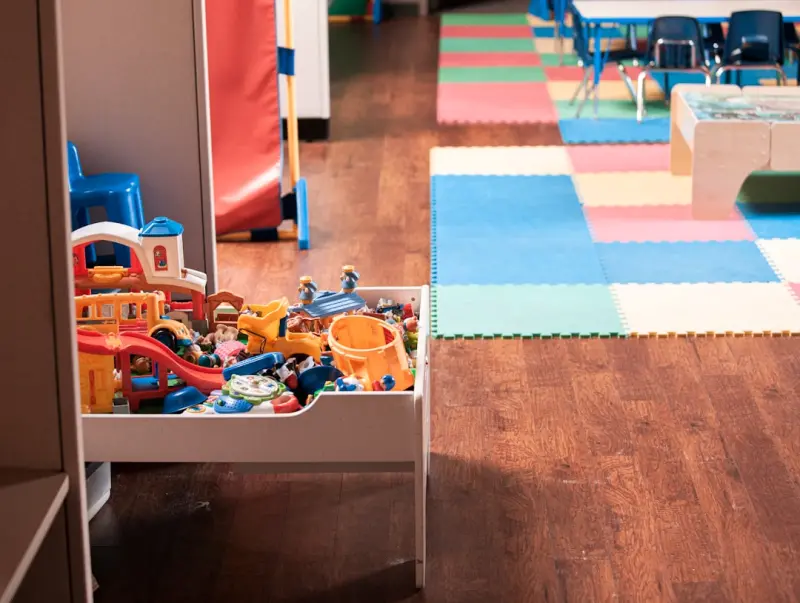
Imagine a neighborhood hub where shelves overflow with carefully curated toys, from classic wooden puzzles to the latest STEM kits, all ready for families to borrow and return. Toy libraries transform play from a consumer habit into a shared cultural experience, encouraging sustainable habits while fostering social connections among parents and children alike. By treating toys as communal resources, these spaces reduce clutter at home and open doors to diverse play experiences that might otherwise be financially out of reach.
How Toy Libraries Reinforce Sustainable Play
Traditional toy ownership often leads to rapid accumulation, eventual disuse, and ultimately landfill waste; toy libraries flip that model by extending the lifespan of each item through repeated circulation. Parents discover the joy of rotating toys without the guilt of discarding them, while children gain access to a rotating catalogue that keeps curiosity alive. This circular approach aligns perfectly with the growing consumer demand for eco‑friendly solutions, proving that responsible fun can be both affordable and exciting.
Building Social Capital Through Shared Play
Beyond the environmental benefits, toy libraries act as informal community centers where families meet, exchange stories, and co‑create play sessions that strengthen neighborhood bonds. Workshops, story‑time gatherings, and maker‑craft events become regular fixtures, turning a simple borrowing system into a catalyst for deeper relationships. When children see peers enjoying the same toys, they naturally develop empathy, cooperation, and a sense of belonging that extends beyond the playroom.
Curating a Dynamic Collection
Successful toy libraries balance timeless classics with innovative new designs, ensuring there’s something for every age and interest. Curators often collaborate with local artisans and educational specialists to include handcrafted toys that celebrate cultural heritage while supporting local economies. Seasonal themes, such as science kits during school breaks or imaginative role‑play sets for holidays, keep the collection fresh and encourage repeat visits.
Technology Meets Tradition
While the concept feels nostalgic, modern toy libraries leverage technology to streamline inventory, reservations, and member communication. Simple online platforms let parents check availability, set pick‑up times, and receive personalized recommendations based on past borrowing history. Integrating digital catalogs with QR‑code check‑outs reduces administrative overhead, allowing staff to focus on community programming rather than paperwork.
Economic Advantages for Families
For many households, the cost of keeping up with the latest toy trends can be prohibitive; a single high‑quality STEM kit can rival a month’s rent. By borrowing instead of buying, families can allocate savings toward experiences like museum trips or family outings, enriching children’s development in multiple dimensions. Moreover, the low membership fees of most toy libraries make them an inclusive option for diverse socioeconomic groups, democratizing access to premium educational play.
Case Study: A Neighborhood Success Story
In a mid‑size city, a former vacant storefront was transformed into a thriving toy library that now serves over 1,200 members. Within its first year, the library reported a 40% reduction in toy waste among participating families and a surge in community event attendance. Parents praised the initiative for exposing their children to subscription box toys and other high‑tech options they could never have afforded otherwise.
Getting Involved: Starting Your Own Toy Library
Launching a toy library begins with a clear mission: to promote shared, sustainable, and enriching play experiences. Secure a modest space, gather donations from local businesses, and partner with schools or community centers for outreach. Establish simple borrowing policies, train volunteers, and promote the initiative through social media and neighborhood newsletters to build momentum quickly.
Future Outlook: Expanding the Impact of Shared Play
As more families recognize the value of communal resources, toy libraries are poised to become integral components of urban planning and educational ecosystems. Imagine city councils integrating toy libraries into public libraries or parks, creating seamless networks where children can explore a world of play without ever leaving their community. By championing this model, we not only nurture imaginative growth but also lay the groundwork for a more collaborative, environmentally conscious generation.

Related Posts
Why Collectible Toys Continue to Inspire Creativity
Collectible toys have been a staple of childhood imagination and creativity for generations. From vi... Read More

Reimagining Play: Sustainable, Creative Toys for Modern Families
Explore fresh ways to choose toys that nurture creativity, sustainability, and emotional growth, fro... Read More

The Evolution of Collectible Toys: A Look Back and a Leap Forward
Collectible toys have evolved from simple playthings to highly sought-after collector's items. Learn... Read More
Top Posts
Agile SEO Sprints: Turning Backlog Into Ranking Wins
Discover a product‑centric approach to SEO that integrates keyword research, technical fixes, and content updates into agile sprint cycles, delivering fast, m...Read More

When B2B SaaS Goes Social: A Fresh Playbook for Advertising Success
A human‑first framework for B2B SaaS social ads, blending data‑driven targeting, privacy‑first practices, AI‑enhanced creative, and real‑time experime...Read More

Cracking the LinkedIn Discovery Code: Tactical SEO Moves for B2B Leaders
This post reveals a step‑by‑step LinkedIn SEO framework—profile authority, content clustering, and engagement tactics—that transforms everyday activity ...Read More
Link Building as a Strategic Growth Engine: Data, Partnerships, and Measurable Impact
A fresh look at link building that blends data, storytelling, and strategic partnerships to earn high‑quality backlinks and measurable business growth....Read More
0 Comments
Post Comment
You will need to Login or Register to comment on this post!