
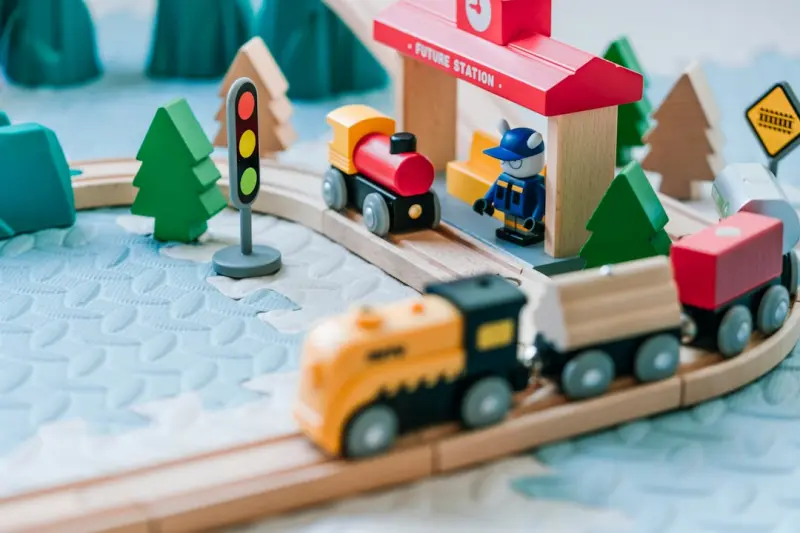
Why Subscription Toy Boxes Are the Secret Sauce for Modern Family Playtime
When I first opened a mystery box of toys for my two‑year‑old, I expected a few plastic trinkets and a handful of well‑meaning marketing promises. What I found instead was a tiny ecosystem of curiosity, conversation, and connection that rippled far beyond the living‑room floor. In the months since, I’ve become something of a subscription‑box evangelist, not because I’m a fan of recurring revenue models, but because these curated collections have quietly reshaped the way my family discovers, learns, and plays together.
In a market saturated with endless aisles of single‑purpose gadgets, the subscription model offers something refreshingly holistic: a narrative thread that ties each new toy to a larger story about growth, imagination, and even sustainability. Below, I’ll walk you through the five ways these boxes are turning ordinary playtime into a strategic, family‑wide experience that you’ll want to share with anyone who’s ever tried to keep a toddler’s attention span longer than a commercial break.
1. Curated Storytelling Beats Random Shelf‑Scanning
Most parents know the frantic “toy aisle roulette” all too well—grab the first shiny thing that catches the eye, toss it into the cart, and hope it sparks a moment of joy. Subscription boxes flip that script by delivering a themed narrative each month. One month might explore “Ocean Adventures,” complete with a soft‑squishy sea‑creature plush, a set of biodegradable sea‑foam building blocks, and a printable storybook that invites kids to chart their own underwater voyages.
This intentional storytelling does more than entertain; it builds a cognitive scaffold that helps children make connections between disparate objects. When a child sees a dolphin plush and then later assembles a coral reef from modular pieces, they’re not just playing—they’re internalizing concepts about marine ecosystems, textures, and cause‑and‑effect relationships.
For families looking to deepen that narrative experience, consider pairing your subscription finds with resources that broaden the conversation. For example, Why Sensory Play Is the New Frontier in Childhood Development offers research‑backed insights into how multi‑sensory toys can accelerate brain development, giving you a solid foundation for choosing the most impactful items.
2. A Built‑In Learning Curve That Grows With Your Child
One of the biggest frustrations with buying toys “as needed” is the inevitable mismatch between a child’s developmental stage and the toy’s difficulty level. Subscription services often use data‑driven questionnaires to gauge age, interests, and skill levels, ensuring each box nudges the child just enough to stay in the zone of proximal development—that sweet spot where challenge meets ability.
My own experience illustrates this perfectly. The first box we received was filled with chunky, oversized puzzle pieces perfect for my toddler’s developing fine motor skills. By the third box, the puzzles became more intricate, the building blocks interlocked in new ways, and the storybook introduced simple problem‑solving prompts. My child didn’t feel overwhelmed; instead, each new item felt like a natural next step.
This adaptive approach mirrors the way elite educational platforms personalize content, but with the added benefit of tactile, real‑world interaction. The result? A more confident learner who can celebrate small victories—like successfully fitting a puzzle piece—while being subtly challenged to stretch a little further each month.
3. Community Building Without the Noise
While most subscription boxes market themselves with glossy Instagram feeds, the real community lives in the shared experiences they foster. My family has started a weekly “Box Unboxing Night,” where we gather around the kitchen table, open the new items together, and discuss what we think the theme could be about.
These moments have become a platform for conversation, not just between parent and child, but also among extended family members who join via video call. The anticipation builds, the excitement is palpable, and the shared curiosity creates a bonding ritual that feels more authentic than any viral TikTok challenge.
If you’re looking to amplify that community vibe, you might explore how other brands are leveraging user‑generated content. A quick read of Playful Planet: How Sustainable Toys Are Redefining Childhood Fun showcases how sustainability narratives can be woven into community storytelling, turning every unboxing into a mini‑campaign for a greener future.
4. Sustainable Play That Doesn’t Sacrifice Fun
One lingering concern for many parents is the environmental impact of constantly adding new toys to a household. Subscription services, especially those focused on eco‑consciousness, address this by sourcing materials that are recyclable, biodegradable, or even upcycled. Some boxes even include a “return‑for‑recycle” program where you can ship back the toys for refurbishment or repurposing.
The result is a circular play loop that teaches kids the value of reusing and repurposing. My daughter, for instance, now proudly tells friends that her “sea turtle” is made from recycled ocean plastics—a lesson she’s internalized through repeated exposure and discussion during our unboxing sessions.
Beyond the obvious ecological benefits, sustainable toys often come with richer textures and more thoughtful designs, making them inherently more engaging. When a toy feels good to hold, children naturally spend more time exploring its features, which translates to deeper learning outcomes.
5. The Unexpected ROI: Time, Money, and Peace of Mind
At first glance, a monthly subscription might seem like an added expense. However, when you factor in the hidden costs of toy fatigue—the endless cycle of buying, storing, and eventually discarding unused items—the equation flips. Subscription boxes typically provide a curated set of high‑quality items that stay in use for longer, reducing the need for frequent impulse purchases.
Moreover, the time saved from not having to hunt for the “perfect” toy each birthday or holiday is priceless. With a subscription, you know exactly what’s coming and when, allowing you to plan activities around the theme. My family now uses the monthly box as a springboard for a themed art project, a backyard scavenger hunt, or even a simple science experiment—each activity extending the life of the toys far beyond the initial unboxing.
Finally, there’s a peace‑of‑mind factor that’s hard to quantify. Knowing that each toy is selected with developmental milestones, sustainability, and storytelling in mind eliminates a lot of the second‑guessing that comes with traditional retail purchases. It’s a subtle but profound shift from “What will they like?” to “How will this help them grow?”
Putting It All Together: A Sample Month in the Life
To illustrate how all these benefits converge, here’s a snapshot of a typical month with a subscription box:
- Week 1 – Unboxing & Exploration: The family gathers, opens the themed items, and discusses initial impressions. Parents ask open‑ended questions to spark curiosity.
- Week 2 – Deep Dive Activities: Using the storybook and building blocks, the child creates a simple diorama, reinforcing narrative comprehension and fine‑motor skills.
- Week 3 – Community Share: A short video of the child’s creation is shared with a private family group, sparking feedback and encouragement from relatives.
- Week 4 – Reflection & Repurpose: The family reflects on what they loved most, and any reusable components are set aside for future projects or returned for recycling.
This rhythm transforms a single box into a month‑long learning journey, turning playtime into an intentional, sustainable, and community‑driven experience.
Choosing the Right Subscription for Your Family
Not all boxes are created equal. Here are three quick criteria to keep in mind when scouting for the perfect match:
- Age‑Appropriate Curation: Look for services that tailor each box based on developmental data, not just age ranges.
- Sustainability Commitment: Verify the brand’s material sourcing, recycling programs, and overall environmental impact.
- Storytelling Depth: The best boxes weave a cohesive narrative that encourages both independent and collaborative play.
When you align these factors with your family’s values, you’ll find a subscription that feels less like a purchase and more like a partnership in your child’s growth.
Final Thoughts: Play as a Strategic Family Asset
Play isn’t just a pastime—it’s a strategic asset for cognitive development, emotional bonding, and even environmental stewardship. Subscription toy boxes, when chosen thoughtfully, amplify those benefits by providing a structured yet flexible framework that evolves alongside your child.
If you’ve ever felt overwhelmed by the sheer volume of toys on the market, consider taking the plunge into a curated, sustainable, and community‑focused subscription model. You may discover that the most valuable gift you can give your family isn’t a single shiny gadget, but a recurring invitation to explore, learn, and connect—one thoughtfully chosen toy at a time.

Related Posts
When Toys Get Smart: AI‑Powered Play for Curious Kids
Discover how AI-powered toys transform playtime into personalized learning experiences, balancing te... Read More
The Rise of Sustainable Play: How Eco‑Friendly Toys Are Shaping Tomorrow’s Kids
Explore the booming world of sustainable toys, from biodegradable materials to modular designs, and ... Read More
Smart Play: Why AI‑Driven Toys Are the Next Big Thing in Kids’ Rooms
AI‑enabled toys are turning playrooms into data‑rich learning labs, offering personalized experi... Read More
Top Posts

Beyond the Blog: Crafting Interactive Content Engines That Convert
Explore a step‑by‑step framework for creating scalable, interactive content—calculators, quizzes, and simulations—that capture intent data, boost conver...Read More
SEO Blueprint for Launching SaaS Features
A step‑by‑step guide shows how SaaS companies can capture early search demand for fresh features using usage data, community content, and optimized landing ...Read More
Revolutionizing Link Building: Strategies for the Modern SEO Landscape
Link building remains a critical component of modern SEO. Learn the latest strategies for creating high-quality links, leveraging social media, and driving real...Read More
Predictive SEO: Anticipating Search Trends Before They Happen
A deep dive into predictive SEO, showing how B2B SaaS marketers can harness data, AI, and trend analysis to forecast search demand, shape content strategy, and ...Read More
0 Comments
Post Comment
You will need to Login or Register to comment on this post!