

When I first walked into a bustling toy aisle as a kid, the shelves were a kaleidoscope of bright plastics, predictable gender cues, and endless promises of the next big “must‑have.” Fast forward to today, and the narrative is shifting. Parents, educators, and even investors are asking tough questions about the lifecycle of a toy, the values it carries, and the footprints it leaves behind. This isn’t just a passing fad; it’s a structural change that’s redefining how we design, manufacture, and market playthings.
Why Sustainable Materials Matter More Than Ever
Plastic has been the workhorse of the toy industry for decades, offering durability, low cost, and endless molding possibilities. However, the environmental cost is staggering: billions of pounds of plastic waste end up in landfills and oceans each year, many of which are toys that outlive the children who love them. The new generation of parents is increasingly conscious of this impact, demanding alternatives that are both safe for kids and kind to the planet.
Enter materials like responsibly sourced wood, recycled polymers, and plant‑based bioplastics. These options aren’t just “green” buzzwords; they’re backed by rigorous testing to meet safety standards while offering comparable durability. A wooden puzzle, for instance, can be sanded, stained, and sealed without the need for toxic chemicals, and it often becomes a heirloom passed down through families.
Beyond the obvious environmental benefits, sustainable toys also tend to have higher perceived value. When a child receives a wooden train set made from FSC‑certified timber, the story behind the material becomes part of the play experience, fostering a deeper emotional connection.
Gender Neutrality: Breaking the Color Code
For too long, toys have been segregated by pink for girls and blue for boys, reinforcing stereotypes that limit imagination. Recent market research shows that children are more interested in the function of a toy than its color, yet retailers continue to double‑down on outdated gender norms. Brands that are daring enough to strip away those expectations are seeing a surge in loyalty.
Think of a set of building blocks that come in a muted palette of earth tones, or a plush animal that isn’t labeled “for boys” or “for girls.” These choices empower kids to explore interests organically, whether that’s constructing a skyscraper, staging a theatrical performance, or caring for a soft friend.
Beyond the social impact, gender‑neutral toys expand market reach. By eliminating the need to produce separate lines for each gender, companies can streamline inventory, reduce waste, and focus on innovative design instead of color‑coding. It’s a win‑win for both the planet and the bottom line.
From Farm to Playroom: Supply Chain Transparency
Transparency has become a non‑negotiable demand. Parents want to know where the wood was harvested, whether the cotton was organic, and how the supply chain mitigates carbon emissions. Companies are now leveraging blockchain and digital twins to trace every component of a toy’s journey, from raw material to retail shelf.
One compelling example is a brand that publishes a QR code on each product. Scan it, and you see a visual map of the forest where the wood was sourced, the mill that processed it, and the factory that assembled the final piece. This level of openness builds trust and differentiates brands in a crowded marketplace.
Supply chain transparency also uncovers hidden inefficiencies. By mapping out logistics, firms can optimize shipping routes, consolidate loads, and even shift to carbon‑neutral transport options. The result is a leaner operation that costs less and reduces emissions—a compelling value proposition for eco‑conscious consumers.
Designing for Longevity: The “Heirloom” Mindset
Disposable toys are a relic of an era when fast production trumped thoughtful design. Modern parents, however, are gravitating toward products that can grow with their children. A classic wooden car that can be painted, sanded, and reassembled becomes a canvas for creativity over years, rather than a single‑use gimmick.
Designers are now embedding modularity into toys. Interlocking pieces, magnetic connectors, and adaptable components enable a single set to transform into countless configurations. This not only extends the play value but also reduces the total number of toys a household needs, aligning perfectly with sustainability goals.
Longevity also ties into safety. Durable materials are less likely to break into hazardous shards, and the reduced need for frequent replacements means fewer chances for choking hazards. It’s a simple equation: longer‑lasting toys = safer play = happier families.
Community‑Driven Innovation: Crowdfunding as a Playground
Traditional retail pipelines have long filtered which toys make it to shelves. Today, platforms that enable community funding have democratized that process. Innovators can pitch a sustainable, gender‑neutral concept directly to consumers, who then vote with their wallets.
Successful campaigns often provide detailed prototypes, material sourcing explanations, and even impact assessments. This transparency not only fuels excitement but also validates the market demand before large‑scale production begins. The result is a lower risk for manufacturers and a product that truly reflects consumer desires.
While the rise of crowdfunding is well documented, its synergy with sustainable and inclusive design is still an emerging story—one worth watching as it reshapes the industry’s innovation pipeline.
Learning from the Past: The Resurgence of Classic Play
There’s a nostalgic revival of timeless toys—think wooden dolls, tin cars, and fabric puppets—that are being re‑imagined with modern safety standards and eco‑friendly materials. These classics appeal to both parents who remember them fondly and kids who crave tactile, analog experiences in a digital world.
The tactile feedback of a wooden puzzle or the soft rustle of a cotton doll offers sensory benefits that screens can’t replicate. Moreover, these toys often come without batteries, reducing electronic waste and providing a break from screen time—a benefit that resonates strongly with educators and pediatricians alike.
Brands that successfully blend heritage aesthetics with contemporary sustainability narratives are carving out a niche that feels both familiar and forward‑thinking.
Marketing the New Generation of Toys
To reach today’s discerning shoppers, brands must shift from product‑centric messaging to purpose‑centric storytelling. Highlighting the origin of materials, the inclusivity of design, and the durability of the product can turn a simple purchase into an act of advocacy.
One effective tactic is integrating user‑generated content. Parents sharing videos of their children playing with a modular set, or unboxing a sustainably packaged toy, creates authentic social proof that resonates more than polished ads. This approach mirrors the community‑first strategies we discuss in other contexts, such as building engaged audiences through shared values.
Another powerful lever is aligning with educational initiatives. Partnering with schools to introduce gender‑neutral, environmentally conscious kits can embed the brand into curricula, ensuring early exposure and long‑term loyalty.
Contrasting with the High‑Tech Toy Wave
While algorithm‑driven play experiences dominate headlines—see the discussion on algorithm-driven play experiences—there remains a robust appetite for low‑tech, high‑touch toys. The tactile, sustainable options we’ve explored don’t compete with digital gadgets; they complement them, offering a balanced play ecosystem where imagination and technology coexist.
Similarly, curated toy boxes have captured the imagination of many families seeking convenience, but they often perpetuate the same plastic‑centric, gendered assortments. By contrast, a subscription model that prioritizes eco‑materials and gender‑neutral design can truly differentiate itself—an opportunity worth exploring for brands looking to innovate beyond the status quo.
Future Outlook: Where Do We Go From Here?
The convergence of sustainability, inclusivity, and transparency is reshaping the toy industry’s DNA. As regulatory pressures increase and consumer consciousness deepens, brands that embed these principles at the core of their product development will not only survive but thrive.
Investors are taking note, allocating capital toward startups that champion eco‑friendly and gender‑neutral toys. Meanwhile, legacy manufacturers are acquiring niche players to diversify their portfolios and accelerate the shift toward responsible play.
In the end, the most powerful catalyst for change is the simple act of a child choosing a wooden block over a plastic one, a boy reaching for a teal building set instead of a pink dollhouse, or a parent scanning a QR code to learn about a toy’s origin. These choices ripple outward, driving demand, inspiring innovation, and ultimately redefining what play looks like for future generations.

Related Posts

The Evolution of Collectible Toys: A Collector's Perspective
Collectible toys have come a long way, from vintage dolls to limited-edition figurines. Learn about ... Read More
Playful Futures: Sustainable, Smart, and DIY Toys Shaping the Next Generation
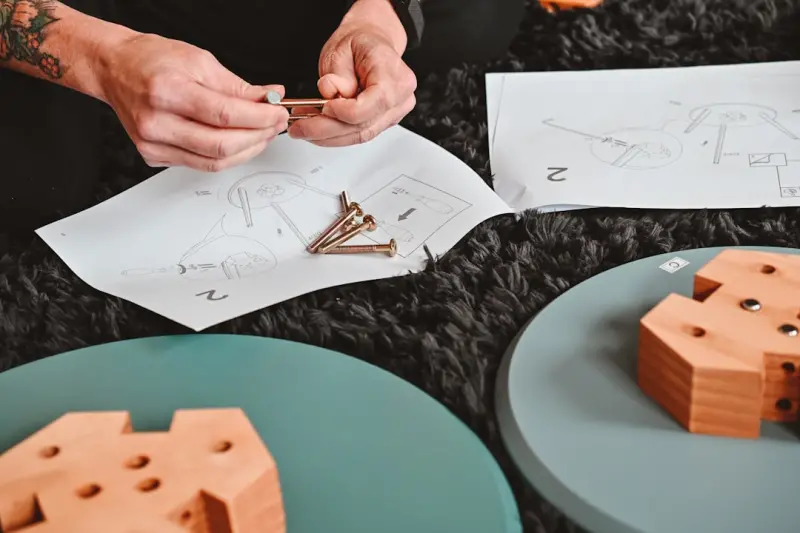
From biodegradable plush bears to AI‑powered coding robots and DIY maker kits, this post uncovers ... Read More

The Future of Play: How Modern Toys Spark Creativity and Connection
A deep dive into the trends reshaping toys— from empathy‑first design and sustainability to ARâ€... Read More
Top Posts

Link Building for SaaS: Turning Connections into Conversions
A fresh, relationship‑centric guide to SaaS link building that blends data‑driven prospecting, community partnerships, and customer advocacy to earn high‑...Read More

Empathy‑Driven On‑Page SEO: How to Rank by Listening
Learn how to blend empathy with on‑page SEO, from keyword research to technical tweaks, to create content that ranks higher and truly resonates with users....Read More

Voice Search Optimization: The Next Frontier for WordPress SEO
Learn to adapt WordPress for voice search with conversational content, schema markup, speed hacks, and local SEO tactics—all backed by actionable steps to cap...Read More
Edge‑Powered Technical SEO for SaaS
Learn how leveraging edge infrastructure, HTTP/2/3, and edge‑side rendering can improve crawl budget, speed, and schema delivery for SaaS platforms, turning y...Read More
0 Comments
Post Comment
You will need to Login or Register to comment on this post!