

The Playful Algorithm: How AI Is Transforming Modern Toys
When I was a kid, a toy’s magic lived in its simplicity—a plastic car that rolled, a puzzle that clicked into place, a doll that whispered when you squeezed its hand. Fast‑forward a few decades, and the very definition of “play” is being rewritten by algorithms, sensors, and data streams. I’ve spent years watching the SaaS landscape evolve, and now I’m witnessing a similar, if not more rapid, revolution in the world of toys. This isn’t about adding a tiny speaker to a plush bear; it’s about embedding genuine intelligence that can adapt, learn, and even anticipate a child’s needs.
From Static Objects to Adaptive Companions
Traditional toys are static—once they’re manufactured, their behavior is fixed. AI‑enhanced toys, however, are dynamic. Imagine a robot that recognizes a child’s emotional state through facial cues and adjusts its tone accordingly, or a building block set that suggests new structures based on a child’s creative pattern. The core difference lies in the feedback loop: data flows from the child to the toy, the toy processes that data in real‑time, and then the toy responds. This loop creates a personalized play experience that evolves with the child, fostering a sense of agency that static toys can’t match.
These adaptive companions also bring a new educational layer. By tracking how a child solves problems, AI can subtly shift difficulty levels, encouraging growth without the frustration of hitting a hard ceiling. For parents, that means a single toy can serve multiple developmental milestones—fine motor skills, language acquisition, even basic coding concepts—without the need to buy a separate product for each stage.
The Data Dilemma: Privacy Meets Play
Embedding sensors and connectivity into toys opens a Pandora’s box of data concerns. Parents are rightly cautious about who can access the information a toy collects—especially when it includes audio recordings, location data, or even biometric signals. The industry’s response has been a surge in “privacy‑first” design philosophies. Some manufacturers are now equipping toys with on‑device processing, meaning data never leaves the child’s room unless the parent explicitly authorizes it.
Regulatory frameworks are also catching up. The Ephemeral Storytelling concept—though originally a content marketing term—has an interesting parallel: toys can store data temporarily, deleting it after each session, thus reducing long‑term privacy risk. Companies that embrace such principles are likely to gain a competitive edge, as trust becomes a differentiator in a market where the stakes are a child’s safety and a family’s peace of mind.
Subscription Models: Toys as a Service
Another trend that mirrors SaaS is the rise of “toys as a service.” Instead of purchasing a single, often expensive, high‑tech toy, families can subscribe to a rotating library of smart play items. This model offers several advantages:
- Freshness: Kids receive new experiences regularly, keeping engagement high.
- Affordability: The upfront cost is lower; families pay a predictable monthly fee.
- Sustainability: Devices are refurbished, upgraded, or recycled at the end of their lifecycle, reducing e‑waste.
Think of it as a “Netflix for toys”—but with a stronger emphasis on developmental outcomes. Subscription services also gather anonymized usage data across a broad user base, allowing them to refine product features and introduce new play concepts faster than a traditional, siloed development cycle could.
Sustainability in the Age of Smart Toys
Smart toys demand power, and power often means plastic, metals, and lithium‑ion batteries—materials that have historically contributed to a hefty environmental footprint. The industry is responding with three notable shifts:
- Modular Design: Devices are built with interchangeable parts, so a malfunctioning sensor can be swapped out without discarding the entire toy.
- Biodegradable Casings: Some manufacturers are experimenting with plant‑based polymers that break down safely at the end of a product’s life.
- Energy‑Efficient Firmware: By optimizing algorithms for low power consumption, toys can operate longer on a single charge, cutting down on battery waste.
When a child’s favorite robot can be upgraded with a new AI module instead of being replaced entirely, the product lifecycle extends dramatically, aligning with circular economy principles that many tech companies have already embraced.
Gender‑Neutral Play: Algorithms Unpacking Bias
AI also offers a unique opportunity to break down longstanding gender stereotypes in toys. Traditional marketing often pigeonholes toys—pink dolls for girls, action figures for boys. AI‑driven recommendation engines, however, can analyze a child’s behavior and preferences without the filter of gendered assumptions.
For example, a child who loves building blocks might be suggested a storytelling platform that integrates narrative AI, regardless of the child’s gender. By letting data speak, companies can push a more inclusive play narrative, encouraging kids to explore a broader range of interests and skills.
Learning from the SaaS Playbook
It’s tempting to think that the toy market and SaaS are worlds apart, but the strategic parallels are striking. In SaaS, we focus on user activation, retention, and expansion—the so‑called “AARRR” funnel. Smart toys are following the same journey:
- Activation: The child’s first interaction should be intuitive—think voice activation or simple tap gestures.
- Retention: Adaptive difficulty keeps the child engaged over weeks and months.
- Expansion: Subscription services or add‑on modules introduce new capabilities, encouraging ongoing investment.
By adopting these proven SaaS growth tactics, toy makers can accelerate adoption and build loyal user bases that view the product as an evolving platform rather than a one‑time purchase.
Future Glimpse: The Convergence of AR, VR, and AI
Looking ahead, the synergy between augmented reality (AR), virtual reality (VR), and AI promises an even richer play ecosystem. A child could wear AR glasses that overlay digital characters onto a physical toy, while the AI engine tracks gestures, voice, and emotional cues to drive the story forward. This hybrid experience blurs the line between the tangible and the digital, creating immersive narratives that adapt in real time.
Such convergence also opens doors for cross‑platform learning. A lesson learned in a VR physics simulation could be reinforced through a physical puzzle that the AI re‑configures based on the child’s performance. The feedback loop becomes a multi‑modal dialogue—visual, tactile, auditory—deeply engaging and highly effective for knowledge retention.
Challenges on the Horizon
Despite the excitement, there are real hurdles to overcome:
- Cost: High‑end sensors and processors can drive prices beyond the average household budget.
- Interoperability: As more brands jump into the AI‑toy arena, ensuring that devices can communicate or share data standards becomes essential.
- Parental Oversight: Tools must provide clear dashboards for parents to monitor usage, set limits, and control data sharing.
Addressing these issues will require a collaborative industry approach—think open standards, transparent data policies, and pricing models that reflect the subscription mindset prevalent in SaaS.
Conclusion: Play as a Living Platform
The toys of tomorrow won’t just sit on shelves; they’ll be living platforms—continually updated, context‑aware, and capable of growing alongside the children they entertain. By borrowing the iterative, data‑driven mindset of SaaS, toy creators can craft experiences that are both delightful and educational, while also respecting privacy and sustainability.
If you’re curious about how other sectors are leveraging AI to craft more engaging experiences, you might want to explore how AI is reshaping digital storytelling. The same underlying principles—personalization, real‑time feedback, and adaptive content—are propelling the next generation of toys into a future where the line between learning and fun disappears.

Related Posts

The Magic of Collectible Toys: A Journey Through Time
Collectible toys have a way of tapping into our sense of nostalgia, evoking memories of childhood an... Read More
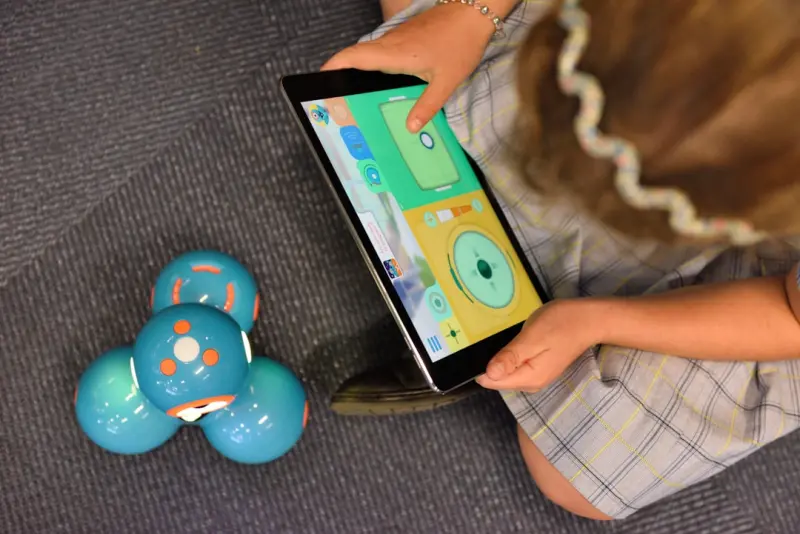
Play Smarter: How AI‑Powered Toys Are Shaping Tomorrow’s Learning
AI‑driven toys are redefining childhood by offering adaptive, data‑informed play that blends ima... Read More

The World of Collectible Toys: A Guide to the Hobby
Collectible toys have become increasingly popular in recent years, with many enthusiasts willing to ... Read More
Top Posts

Privacy‑First Social Media Advertising: Winning in a Cookieless World
A practical guide for SaaS marketers on creating privacy‑first social media ads, leveraging first‑party data, contextual creatives, and aggregated measureme...Read More

Revolutionizing Link Building: Strategies for Success in a Changing Landscape
Link building requires a strategic and nuanced approach. Learn how to prioritize quality, leverage content-driven link building, and adapt to the evolution of S...Read More

Building a Robust Social Media Strategy: Navigating the Ever-Changing Landscape
A robust social media strategy is crucial for businesses to stay ahead of the curve. Learn how to create engaging content, optimize your social media profiles, ...Read More

Unlocking the Hidden SEO Power of WordPress Taxonomies
A deep dive into WordPress site architecture—covering permalinks, custom taxonomies, CPTs, internal linking, and headless setups—to build a scalable SEO fou...Read More
0 Comments
Post Comment
You will need to Login or Register to comment on this post!