
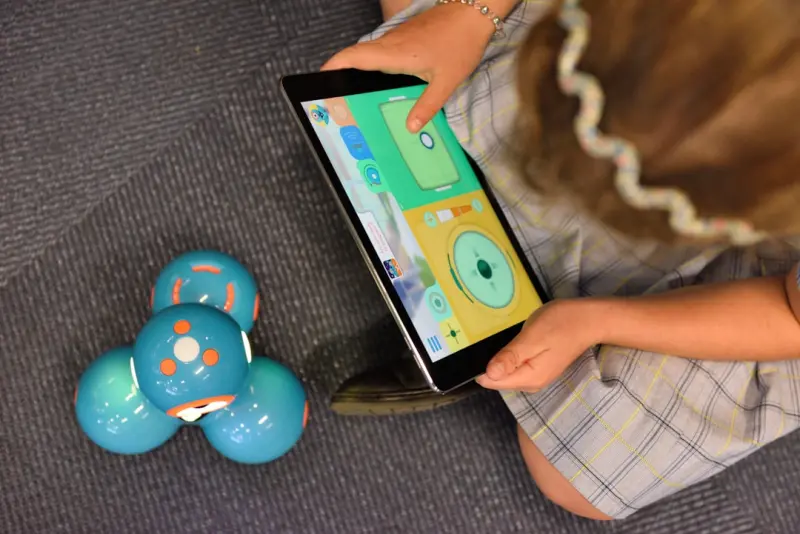
From Playroom to Playground: How AI‑Powered Toys Are Re‑Writing Childhood
When I was a kid, my favorite companions were a battered action figure, a wind‑up robot, and the occasional cardboard box that transformed into a spaceship. Those toys were simple, but they sparked imagination because they left plenty of room for me to fill in the blanks. Fast forward to today, and the landscape has shifted dramatically. The next generation of toys isn’t just plastic; it’s code, sensors, and machine‑learning algorithms that adapt to a child’s curiosity in real time.
The Core Idea: Toys That Learn
At its heart, an AI‑enabled toy is a device that watches, listens, and responds. It isn’t simply following a pre‑programmed script; it’s analyzing a child’s behavior and tailoring its interactions accordingly. Imagine a plush bunny that notices a child’s hesitation with new words, then gently nudges them with prompts, or a building set that rearranges its pieces based on the child’s problem‑solving patterns. This dynamic responsiveness turns play into a personalized learning journey, blurring the line between entertainment and education.
Why Parents and Educators Are Paying Attention
Parents are increasingly savvy about the value of STEM (science, technology, engineering, and math) exposure early in life. However, they also worry about screen time and the passive consumption of content. AI‑powered toys offer a middle ground: they provide interactive, hands‑on experiences while still delivering the adaptive benefits of digital platforms.
- Engagement that evolves: As a child grows, the toy’s challenges evolve, keeping the experience fresh and reducing the “outgrow” factor.
- Data‑driven insights: Many of these toys come with companion apps that give parents dashboards showing skill development trends, helping them spot strengths and areas that might need extra support.
- Safe sandbox environments: Unlike the open internet, the toy’s ecosystem is curated, limiting exposure to inappropriate content while still offering rich, exploratory play.
Key Technologies Powering the Revolution
Behind the cuteness of a talking dinosaur or the sparkle of a glowing puzzle are several cutting‑edge components:
- Computer Vision: Cameras and depth sensors let toys interpret gestures, facial expressions, and even the arrangement of physical pieces on a play mat.
- Natural Language Processing (NLP): Voice‑enabled toys can understand and respond to spoken commands, ask questions, and engage in back‑and‑forth dialogues that feel natural.
- Reinforcement Learning: Some toys use trial‑and‑error methods to fine‑tune their responses, much like how a video game AI learns from a player’s moves.
- Edge Computing: To keep latency low, many devices process data locally, ensuring that a child’s interaction feels instantaneous without constant reliance on the cloud.
Case Study: The Adaptive Storytelling Cube
One of the most exciting examples I’ve encountered is an interactive cube that combines physical blocks with an AI storytelling engine. Children snap the cubes together, and the system reads the configuration, generating a unique narrative on the fly. If a child repeatedly builds a castle, the story evolves to include knights, secret passages, and even moral dilemmas, prompting discussion about choices and consequences.
This product demonstrates a crucial advantage of AI toys: they turn static play patterns into evolving narratives that keep kids intellectually stimulated. The underlying algorithm is similar to the concept behind emerging content formats that redefine engagement, but applied to the tactile world of toys.
Design Principles for Building Trust
When designing AI‑driven toys, manufacturers must balance novelty with safety and privacy. Here are three non‑negotiable principles:
- Transparent Data Practices: Parents should know exactly what data is collected, how it’s stored, and for how long. Clear consent flows and the ability to delete data are essential.
- Age‑Appropriate Interactions: The AI’s language, tone, and challenge level must be calibrated to the child’s developmental stage. Overly complex prompts can frustrate, while overly simplistic ones can bore.
- Fail‑Safe Modes: If connectivity drops or a sensor malfunctions, the toy should gracefully revert to offline play without breaking the experience.
Beyond the Living Room: Classroom Integration
Educators are beginning to experiment with AI toys as supplemental tools in classrooms. A robot that can read a child’s handwriting and provide instant, personalized feedback offers a scalable way to differentiate instruction. Moreover, the data gathered (when handled responsibly) can inform teachers about class‑wide trends, helping them adjust lesson pacing.
One pilot program paired an AI‑enhanced building set with a STEM curriculum. Students were tasked with constructing bridges that could support varying weights. The toy’s sensors measured stress points in real time, offering suggestions like “Try adding a triangular brace here.” The result? A 30% increase in students’ confidence tackling engineering challenges, and a noticeable boost in collaborative problem‑solving.
The Business Angle: Why Brands Should Invest
From a market perspective, the AI‑toy segment is projected to grow exponentially. Consumers are willing to pay a premium for products that promise measurable developmental benefits. For brands, this opens a dual revenue stream:
- Hardware Sales: The initial purchase of the physical toy.
- Subscription Services: Ongoing content packs, skill‑building modules, or analytics dashboards for parents.
In fact, the recurring revenue model mirrors the strategy discussed in turning quizzes and calculators into link‑building gold, where value‑added digital experiences drive sustained engagement and monetization.
Potential Pitfalls and Ethical Considerations
While the promise is immense, there are cautionary tales to keep in mind:
- Over‑Personalization: If a toy becomes too tailored, it may limit a child’s exposure to diverse problem‑solving approaches.
- Data Privacy Risks: Even anonymized data can be re‑identified under certain conditions. Brands must adopt privacy‑by‑design frameworks.
- Economic Divide: High‑end AI toys risk widening the gap between households that can afford them and those that cannot, potentially creating inequities in early learning opportunities.
Addressing these concerns requires industry standards, transparent regulatory guidelines, and a commitment to inclusivity from manufacturers.
Future Horizons: AR, VR, and Mixed‑Reality Play
The next wave will likely blend physical toys with augmented and virtual reality. Imagine a tabletop board that, when viewed through a headset, transforms into a living ecosystem—dinosaurs roam, volcanoes erupt, and the child’s decisions shape the environment in real time. This convergence amplifies the benefits of AI adaptation while adding a layer of immersive visual storytelling.
Developers are already prototyping “smart mats” that map a child’s movements onto a digital avatar, enabling collaborative, cross‑location play. Such innovations will demand robust cross‑platform integration, echoing the challenges covered in unlocking Gutenberg—but instead of content blocks, we’re talking about physical‑digital interaction blocks.
Practical Tips for Parents Wanting to Dive In
If you’re intrigued but hesitant, here are five steps to start exploring AI toys responsibly:
- Research the Brand’s Privacy Policy: Look for clear statements about data collection, storage, and deletion.
- Start Small: Choose a single, well‑reviewed product rather than an entire ecosystem.
- Set Usage Limits: Even adaptive toys benefit from balanced screen‑free time.
- Participate in Communities: Join parent forums where real‑world experiences are shared.
- Monitor Progress: Use the companion app’s analytics to celebrate milestones and spot any emerging frustrations.
Conclusion: A New Play Narrative
AI‑powered toys are not a gimmick; they represent a shift toward play that is as responsive as a conversation with a caring adult. By weaving together tactile interaction, adaptive learning, and data‑informed insights, they promise richer developmental experiences while keeping the magic of imagination alive. As we stand at the intersection of technology and childhood, the responsibility lies with creators, parents, and educators to ensure that these tools empower every child, regardless of background, to explore, create, and grow.

Related Posts
DIY Custom Toys: Reclaiming Playful Creativity for Adults
Discover the surge of DIY custom toys for adults, where modular kits, mental‑health benefits, and ... Read More

The Enduring Charm of Open‑Ended Toys in a Screen‑Dominated World
Simple, tactile toys like wooden blocks and fabric scraps continue to nurture creativity, social ski... Read More

The Rise of Sustainable Toys: How Green Play Is Changing Childhood
Discover how sustainable toys are transforming childhood with eco‑friendly materials, timeless des... Read More
Top Posts

When Toys Get Smart: The AI Revolution in Playtime
Artificial intelligence is transforming toys from static objects into adaptive learning partners. This post delves into the benefits, challenges, and future tre...Read More

Why Subscription Toy Boxes Are the Secret Sauce for Modern Parenting
Subscription toy boxes are reshaping playtime by delivering data‑driven, age‑appropriate toys that foster learning, community, and eco‑friendly habits—a...Read More

The Future of Content Trends: What You Need to Know
The world of content trends is rapidly evolving. Stay ahead of the curve by understanding the latest trends and technologies that are transforming the way we cr...Read More
Empathy‑First WordPress SEO: A Human‑Centric Blueprint for Rankings
Learn the human‑centric tactics that make WordPress SEO thrive— from site architecture and content to technical tweaks and empathetic link building....Read More
0 Comments
Post Comment
You will need to Login or Register to comment on this post!