
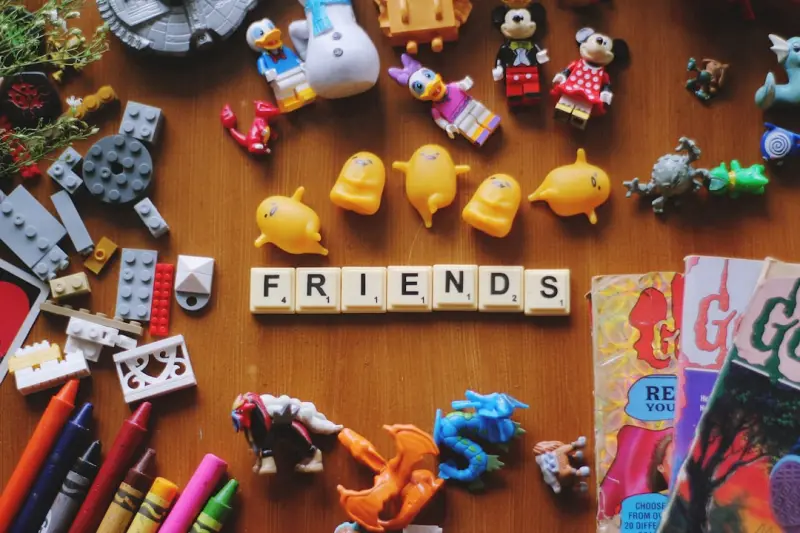
When I first walked into a toy aisle as a kid, I was drawn to the bright plastic figures and the promise of endless imagination. Decades later, as a mother, a hobbyist maker, and a lifelong learner, I find myself standing at the same aisle—only now the shelves are brimming with smart circuits, biodegradable polymers, and subscription boxes that feel more like mini‑labs than toys.
Why Toys Are No Longer Just Toys
In the past, the primary function of a toy was clear: provide entertainment and, occasionally, a lesson in sharing or patience. Today, toys have become multifunctional platforms that blend play with education, health monitoring, and even social networking. This evolution mirrors how other industries, like SaaS, have turned simple tools into ecosystems that foster ongoing engagement.
Tech‑Integrated Play: From Gimmick to Core
Remember the first wave of “interactive” toys that simply responded with canned phrases? Those were the early prototypes of a much larger movement. Modern toys now feature real-time data exchange, adaptive learning algorithms, and cloud‑connected experiences that grow with the child.
- Adaptive Learning: Robots that adjust difficulty based on a child’s performance, turning failure into a personalized growth curve.
- Health & Safety Sensors: Wearable devices that monitor heart rate, sleep patterns, and even stress levels, feeding insights back to parents in a privacy‑first dashboard.
- Community‑Driven Content: Platforms where kids can design levels, share creations, and collaborate across borders, turning play into a shared creative process.
These features aren’t just flashy add‑ons; they represent a paradigm shift where the toy becomes a learning companion. The same way SaaS products continually iterate based on user data, the best toys now iterate on the child’s interaction data, ensuring relevance and longevity.
Sustainability: The New Play‑Ground Standard
Parents are increasingly scrutinizing the environmental impact of the products they bring into their homes. The toy industry is responding with a surge of eco‑conscious materials—from plant‑based plastics to reclaimed wood and even recycled ocean waste.
What sets these sustainable toys apart is not just the material but the story they tell. A wooden train set carved from responsibly sourced pine can become a conversation starter about forests, while a puzzle made from ocean‑recovered plastics can spark curiosity about marine conservation.
The Power of Open‑Ended Design
While tech integration garners headlines, the most powerful toys remain the simplest. Open‑ended toys—blocks, magnets, simple shape sorters—invite children to define the rules. This freedom cultivates problem‑solving skills and nurtures creativity in a way that scripted, app‑driven experiences can’t replicate.
One surprising insight from my research: the toys that blend open‑ended play with subtle technology often see the highest engagement. Think of magnetic building kits that light up when a circuit is completed, or wooden puzzles that whisper a story via an embedded speaker. The technology enhances, rather than dictates, the play narrative.
Community and Co‑Creation: A Lesson from SaaS
Just as SaaS companies have built thriving user communities that contribute content and feedback, a new generation of toy makers is inviting kids and parents to co‑create. Brands are launching design contests, crowd‑sourced feature voting, and even beta‑testing programs where families receive prototypes in exchange for honest reviews.
These initiatives do more than generate buzz; they create a sense of ownership. When a child sees their idea turned into a product, the emotional connection deepens, leading to brand loyalty that can span generations.
Cross‑Pollinating Ideas: What Toys Can Learn From SaaS Content Strategies
While toys and SaaS occupy different market spaces, the underlying principles of immersive content strategies can be adapted to the play world. For example, a toy brand could develop a series of short, narrative‑driven videos that explore the science behind a building block set, turning a simple product into an educational journey.
Similarly, trust signals—such as certifications for safety, sustainability, and privacy—can be highlighted through transparent storytelling, reinforcing consumer confidence.
Future Trends: What’s Next on the Play Horizon?
Looking ahead, several trends promise to reshape the toy landscape:
- AI‑Powered Storytelling: Toys that generate unique narratives on the fly, responding to a child's voice and preferences.
- Mixed Reality Play: Augmented reality overlays that blend physical pieces with digital worlds, encouraging movement and tactile interaction.
- Modular Ecosystems: Interoperable toy components that can be reconfigured across brands, creating a universal play language.
- Data‑Lite Privacy Models: Systems that collect minimal data, processed locally on the device, ensuring compliance with emerging child‑privacy regulations.
These developments suggest a future where toys are not just objects but experiential platforms—flexible, ethical, and endlessly adaptable.
Practical Tips for Parents and Educators
If you’re navigating this rapidly evolving market, here are some guidelines to help you make informed choices:
- Prioritize Longevity: Choose toys that grow with the child—modular sets, open‑ended designs, and upgradable tech components.
- Check Transparency: Look for brands that openly disclose material sources, data practices, and safety certifications.
- Encourage Balance: Pair screen‑based toys with hands‑on, unplugged play to develop a full spectrum of skills.
- Participate in Communities: Join parent forums, attend maker fairs, and engage with brand‑hosted co‑creation initiatives.
Conclusion: Play as a Catalyst for Growth
The toy industry is undergoing a renaissance, driven by technology, sustainability, and community collaboration. As we watch these trends unfold, one truth remains constant: the best toys spark curiosity, foster resilience, and invite children to imagine beyond the obvious.
Whether you’re a parent, educator, or simply a lover of playful innovation, embracing this new wave of thoughtful, connected toys can enrich not only the lives of the next generation but also our own relationship with creativity. After all, play isn’t just for kids—it’s a universal language that fuels lifelong learning.

Related Posts
The Play Revolution: How Toys Are Redefining Fun and Learning
A deep dive into the evolving toy industry, highlighting smart tech, eco‑friendly designs, inclusi... Read More

The Next Big Wave in Toys: Why Play Is More Than Fun
Discover how sustainable, tech‑infused, and story‑driven toys are reshaping play, and why humanâ... Read More

Analog Play Returns: The New Wave of Tactile Toys
Analog play is making a comeback, offering mental health benefits, sustainable design, and fresh bus... Read More
Top Posts
Technical SEO Reimagined: An Empathy‑First Playbook for Sustainable Rankings
Learn why viewing crawl budgets, schema, and site speed through an empathy lens can supercharge your technical SEO, creating a seamless experience that both use...Read More
Mobile SEO Mastery: From Core Web Vitals to Deep Linking
Discover a fresh mobile SEO strategy that blends performance, progressive web apps, deep linking, and crawl budget mastery to boost rankings and conversions....Read More

From Blog Posts to Community Hubs: Redefining Content Marketing for SaaS
Learn why traditional blog‑centric strategies fall short and how building a community‑driven content hub can amplify SEO, nurture prospects, and accelerate ...Read More

Cracking the LinkedIn Discovery Code: Tactical SEO Moves for B2B Leaders
This post reveals a step‑by‑step LinkedIn SEO framework—profile authority, content clustering, and engagement tactics—that transforms everyday activity ...Read More
0 Comments
Post Comment
You will need to Login or Register to comment on this post!