

Playtime Reimagined: How Today’s Toys Are Shaping Tomorrow’s Minds
When I was a kid, the magic of a toy lay in its simplicity—a wooden train set, a rubber ball, or a hand‑stitched doll. Fast forward to today, and the landscape of play has exploded into a kaleidoscope of sustainability, technology, and cultural storytelling. As someone who grew up in the analog era, I’m fascinated by how the very objects that spark imagination are evolving to meet the demands of a hyper‑connected world while still preserving the timeless joy of discovery.
The Sustainable Toy Movement Is More Than a Trend
Parents, educators, and manufacturers are finally listening to a louder call: the planet needs us to rethink the toys we bring into homes. Gone are the days when plastic figurines were the default. Today’s shelves showcase biodegradable building blocks, reclaimed‑wood puzzles, and even toys made from mushroom mycelium. These materials not only reduce landfill waste but also teach children early lessons about stewardship.
What’s compelling is that sustainability isn’t an after‑thought; it’s woven into the design process. Designers now prioritize closed‑loop systems, where a toy can be returned, disassembled, and reborn as a new product. This circular approach mirrors the growing consumer appetite for products that have a lifecycle beyond their initial use.
- Materials Matter: From plant‑based plastics to recycled aluminum, the choice of material determines a toy’s durability and ecological footprint.
- Production Transparency: Brands are publishing supply‑chain data, allowing parents to verify ethical sourcing and labor practices.
- End‑of‑Life Programs: Some companies offer take‑back schemes, turning old toys into fresh creations or responsibly recycling them.
When a child builds a castle from reclaimed wood, they’re not just playing; they’re participating in a narrative that values resourcefulness and environmental consciousness.
Tech‑Infused Play: Augmented Reality and Artificial Intelligence
While sustainability grounds us, technology propels us forward. Augmented reality (AR) has turned bedroom floors into enchanted forests, and AI‑driven companions are learning to converse in ways that feel genuinely personal.
Imagine a puzzle that, once completed, unlocks an AR portal on a tablet, revealing a 3‑dimensional story world that expands with each piece added. Or a plush toy that uses machine learning to adapt its responses based on a child’s emotional cues, fostering empathy and social learning. These innovations blur the line between physical and digital, offering a hybrid experience that traditional toys simply cannot match.
But there’s a crucial balance to strike. Technology should amplify imagination, not replace it. The most successful tech‑enabled toys are those that encourage open‑ended play—tools that provide a framework while leaving ample room for creativity.
Collectibles as Cultural Capital
Collectibles have always been a playground for nostalgia, but they’re now emerging as a form of cultural capital. Limited‑edition figurines, designer plushies, and handcrafted wooden toys are being curated like art pieces. Social media platforms showcase these collections, turning hobbyists into influencers who drive demand for high‑quality, story‑rich pieces.
This shift is reshaping how manufacturers approach product launches. Rather than mass‑producing generic items, they’re crafting narrative‑driven collections that resonate with specific subcultures—be it retro gamers, sci‑fi enthusiasts, or eco‑conscious families. The result is a market where scarcity, storytelling, and craftsmanship intersect to create lasting value.
Parental Guidance in the Digital Age
With the rise of smart toys, parents face new challenges. How do you ensure a child’s data privacy? What boundaries should be set for screen time when a toy is both physical and digital?
The answer lies in informed stewardship. Parents should:
- Read Privacy Policies: Even the cutest plush can collect data. Look for clear, transparent practices.
- Set Usage Limits: Designate “tech‑free” zones and times to preserve unstructured play.
- Engage Together: Co‑play with tech‑enabled toys to guide learning and monitor interactions.
When families take an active role, technology becomes a collaborative tool rather than an isolated screen, enriching the play experience without compromising safety.
Learning From Other Industries: The Power of Story‑Centric Design
While I’m writing for a toys audience, I can’t ignore the lessons that other sectors have taught us about audience engagement. In the world of software, for instance, many companies have mastered the art of weaving narratives into product experiences. One great example is how brands leverage story‑centric content to keep users hooked. Translating that principle to toys means designing each piece with a backstory, encouraging kids to become part of an unfolding saga rather than merely interacting with an isolated object.
By treating toys as chapters in a larger adventure, manufacturers foster deeper emotional connections. This strategy mirrors how successful apps keep users returning, but it’s applied to the tactile world of play.
Community‑Driven Innovation: Crowdsourcing the Next Big Thing
Another trend borrowed from tech ecosystems is the rise of community‑driven product development. Platforms now allow parents, designers, and kids to submit ideas, vote on prototypes, and even co‑create limited runs. This participatory model ensures that new toys reflect real‑world desires rather than top‑down assumptions.
Such collaborations have produced hits like a modular robotics kit that grew out of a maker‑space challenge, or a line of gender‑neutral dolls designed by a global panel of parents. When the community feels ownership, the product’s success becomes a shared celebration.
The Future Forecast: What’s Next for Play?
Looking ahead, I see three converging forces shaping the next generation of toys:
- Hyper‑Personalization: AI will enable toys that adapt to a child’s developmental stage, learning style, and interests, offering customized challenges that grow with the child.
- Eco‑Innovation: Expect breakthroughs in bio‑fabricated materials—think toys grown from algae or lab‑crafted leather that biodegrade without a trace.
- Cross‑Reality Play: Seamless integration of AR, VR, and physical components will create immersive ecosystems where the line between real and virtual play blurs entirely.
These trends promise a future where play is not just entertainment but a catalyst for lifelong learning, environmental stewardship, and cultural expression.
Bringing It All Together
Whether you’re a parent scouting the next addition to the playroom, a designer dreaming up the next iconic figure, or a retailer curating a shelf of tomorrow’s must‑haves, the evolving toy landscape offers endless possibilities. By championing sustainability, embracing responsible technology, and weaving compelling narratives, we can ensure that the toys of today become the cherished memories of tomorrow.
For those curious about how storytelling drives engagement across industries, take a look at how interactive content playbooks have transformed user experiences. And if you’re interested in the broader implications of community‑centric design, the insights from structured data and community partnerships offer a fascinating parallel.

Related Posts
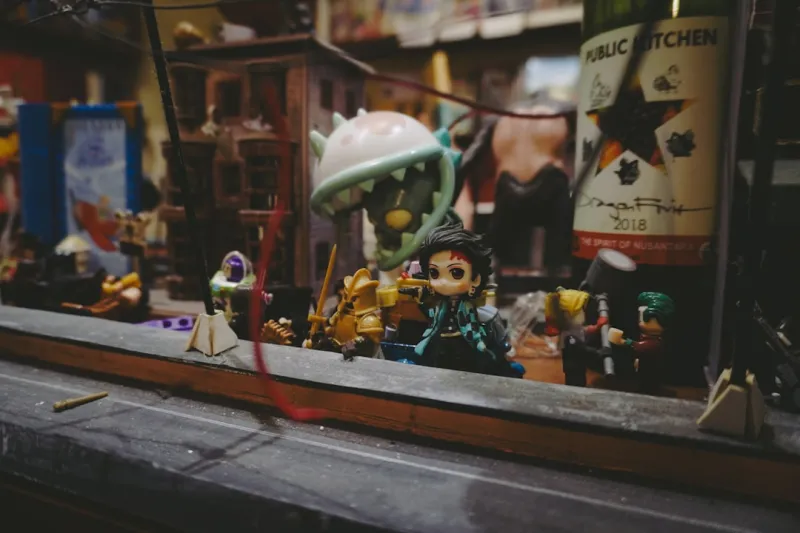
The Magic of Collectible Toys: A Journey Through Time
Collectible toys have a way of tapping into our sense of nostalgia, evoking memories of childhood an... Read More

Why Imaginative Play Is the Secret Sauce for Modern Childhood Development
Explore why open‑ended toys are essential for kids’ development, how to craft inspiring play spa... Read More
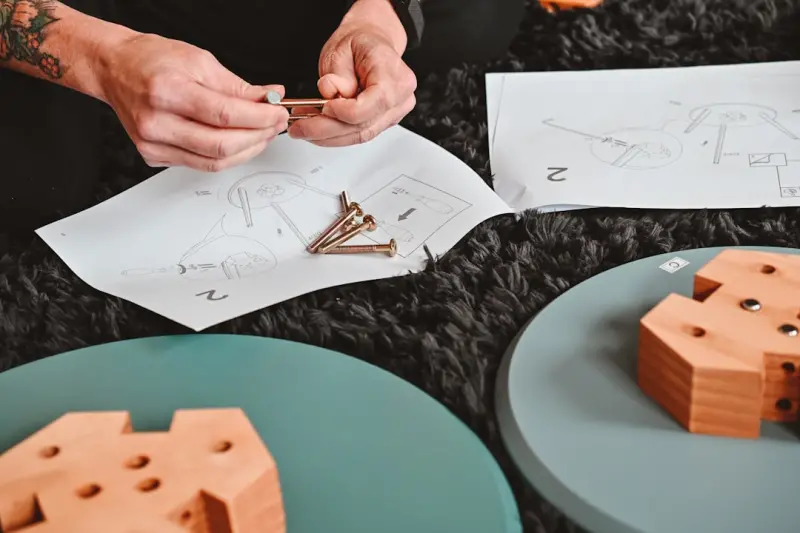
Playful Futures: Sustainable, Smart, and DIY Toys Shaping the Next Generation
From biodegradable plush bears to AI‑powered coding robots and DIY maker kits, this post uncovers ... Read More
Top Posts
Conversational Communities: The Next Evolution in Social Media Strategy
Learn why shifting from broadcast posts to genuine conversations on platforms like Discord and private groups fuels brand loyalty, uncovers actionable insights,...Read More

Revolutionizing Your Social Media Strategy: A Comprehensive Guide to Success
Learn how to create a social media strategy that drives real results for your business with our expert guide, covering key elements such as audience understandi...Read More

From Brainstorm Chaos to a Self‑Sustaining Content Engine
Discover a four‑quadrant funnel and six‑step playbook that turn chaotic brainstorming into a self‑sustaining engine of micro‑assets, real‑time feedbac...Read More

Mobile SEO: The Key to Unlocking Your Online Potential
Mobile SEO is no longer a nicety, but a necessity. Learn how to optimize your website and content for mobile search to improve your online presence and drive mo...Read More
0 Comments
Post Comment
You will need to Login or Register to comment on this post!