
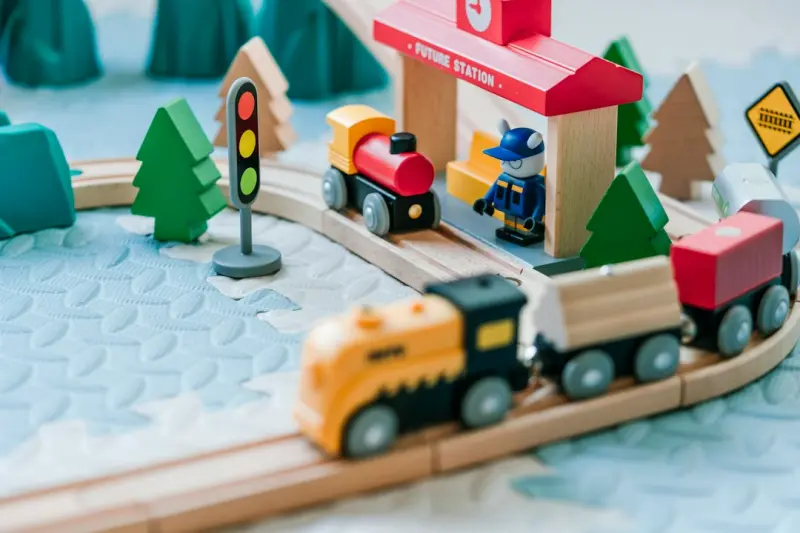
From Plastic to Pixels: How Connected Play is Redefining Childhood
When I was a kid, my imagination ran wild with a handful of bricks, a squeaky rubber duck, and a trusty action figure. Fast forward a few decades, and today’s youngsters are swapping cardboard forts for connected companions that can talk back, learn their favorite songs, and even suggest new games based on how they play. This seismic shift isn’t just about novelty—it’s about how play is becoming a two‑way conversation between child and technology.
In this deep dive, I’ll explore three under‑the‑radar forces shaping the next generation of toys: adaptive learning algorithms, open‑ended hardware ecosystems, and the rise of narrative‑driven play loops. Along the way, I’ll sprinkle in a couple of insights from our own SaaS playbook—because the principles that power growth in the B2B world have surprising parallels in the world of toys.
1. Adaptive Learning: When Toys Get Smarter Than the Instructions
Remember the days when you’d flip a toy’s switch and hope for the best? Those days are fading. Modern playthings embed machine‑learning models that can interpret a child’s tone, gestures, and even facial expressions. The result? A toy that tailors its responses in real‑time, keeping the experience fresh and challenging.
Take, for example, a plush robot that starts with simple “hello” greetings. As the child engages, the robot picks up on vocabulary growth, adjusting its language complexity. By the time the kid is ready for riddles, the robot is already crafting age‑appropriate puzzles.
This adaptive loop mirrors the feedback cycles we champion in SaaS products: collect data, analyze, iterate. In the toy sphere, the data points are giggles, eye‑contact, and even the speed at which a child solves a shape‑sorting challenge. The more nuanced the data, the richer the personalization.
2. Open‑Ended Hardware: Building a Playground for the Future
One of the most exciting trends is the emergence of modular, open‑hardware ecosystems that let kids (and parents) tinker beyond the prescribed play patterns. Think of a set of magnetic blocks that double as a DIY sensor kit, or a programmable wristband that can be swapped with different motion‑detecting modules.
These ecosystems democratize invention. Children aren’t just passive recipients; they become creators, swapping modules, re‑coding behaviors, and even designing new accessories. It’s a tangible introduction to engineering concepts without the intimidation of a traditional lab.
Our internal research on smart toys reshaping innovators underscores how early exposure to such modularity fuels curiosity that later translates into STEM enthusiasm. By giving kids the tools to remix hardware, we’re planting the seeds for a generation that sees technology as a canvas, not a black box.
3. Narrative‑Driven Play Loops: Storytelling Meets Interactivity
Stories have always been the backbone of play—whether it’s reenacting a fairy tale or imagining an epic space battle. Today, narratives are being woven directly into the firmware of toys. A digital pet, for instance, may have a “quest” mode where completing daily care tasks unlocks chapters of an adventure story.
This marriage of narrative and interactivity serves two purposes:
- Engagement retention: Children are motivated to return to the toy, eager to see what happens next in the storyline.
- Skill scaffolding: Each story beat can introduce a new skill—counting, reading, or basic problem‑solving—embedded seamlessly within the plot.
From a content strategy perspective, this mirrors the turning link building into a growth engine mindset: each narrative fragment acts as a “link” that pulls the child deeper into the ecosystem, increasing overall “session time” and fostering brand loyalty.
4. The Ethics of Connected Play
With great power comes great responsibility. As toys become more data‑savvy, concerns around privacy, screen time, and emotional dependence surface. Parents and regulators are asking:
- What data is being collected, and how is it stored?
- Are children being nudged toward in‑app purchases?
- Can the toy’s AI influence a child’s preferences in subtle ways?
Transparent data policies, robust parental controls, and clear opt‑out mechanisms are non‑negotiable. The industry’s credibility hinges on respecting the delicate trust placed by families.
5. The Business Angle: Monetizing the New Play Landscape
From a commercial standpoint, the shift toward connected toys opens up recurring revenue streams that go beyond the one‑time hardware sale. Subscription models can deliver fresh content, new story arcs, or seasonal challenges that keep the experience alive for years.
However, the key to sustainable growth lies in balancing value and cost. Over‑monetizing can erode trust, while under‑delivering can stunt adoption. The sweet spot is found by listening to user feedback—much like we do with SaaS customers—and iterating on the content pipeline.
6. Looking Ahead: The Convergence of Play and Learning Platforms
Imagine a future where a child’s favorite toy syncs with their school’s learning management system, sharing progress (with consent) and suggesting classroom activities that reinforce the concepts explored at home. This convergence could break down the silo between “play” and “education,” creating a holistic development environment.
Such integration will require open APIs, cross‑industry standards, and a cultural shift toward viewing toys as lifelong learning partners—not just fleeting distractions.
7. Practical Tips for Parents and Educators
Whether you’re a parent scouting the next big thing or an educator looking to enrich your curriculum, here are three actionable steps to navigate this evolving landscape:
- Start with purpose: Choose toys that align with the child’s interests and developmental goals, rather than the flashiest tech features.
- Set boundaries: Use built‑in parental controls to limit screen time and data sharing, ensuring a healthy play‑to‑learn balance.
- Encourage remixing: Opt for open‑hardware kits that let kids experiment, tinker, and personalize their experiences.
8. The Bottom Line
Connected play isn’t just a fleeting trend; it’s a fundamental rethinking of how children interact with the world around them. By marrying adaptive AI, modular hardware, and narrative depth, today’s toys are becoming intelligent companions that grow alongside their users.
For creators, the challenge is to craft experiences that are engaging, ethical, and endlessly expandable. For families, the opportunity lies in embracing tools that not only entertain but also empower the next generation of thinkers, makers, and storytellers.
As we watch this evolution unfold, one thing is clear: the future of toys is less about static objects and more about dynamic ecosystems that learn, adapt, and inspire. The playground of tomorrow is already here—digital, data‑rich, and waiting for the next generation to play.

Related Posts
Why Playful Discovery Beats Screen Time in Modern Toy Trends
A deep dive into how hands‑on toys are redefining play, fostering creativity, sustainability, and ... Read More

Playful Subscriptions: How Curated Toy Boxes Are Redefining Childhood
Subscription toy boxes turn playtime into a continuous, data‑driven adventure, fostering community... Read More
Smart Play: Why AI‑Driven Toys Are the Next Big Thing in Kids’ Rooms
AI‑enabled toys are turning playrooms into data‑rich learning labs, offering personalized experi... Read More
Top Posts
Beyond Borders: Mobile SEO Strategies for a Global Audience
A comprehensive guide to mobile‑first international SEO, covering hreflang implementation, page‑speed optimization, localized structured data, and testing t...Read More
Mobile SEO in 2024: Navigating the Shifting Landscape
Stay ahead of the curve with the latest mobile SEO trends and strategies. Learn how to optimize your website for mobile devices, improve page speed, and create ...Read More

The Evolution of Content Marketing: How to Stay Ahead in a Changing Landscape
The content marketing landscape is constantly evolving. Stay ahead of the curve by prioritizing visual content, voice search, personalization, and influencer ma...Read More

The Power of Collectible Toys in Content Strategy
Collectible toys have become a significant part of popular culture, and brands are taking notice. Learn how to tap into the world of collectible toys to create ...Read More
0 Comments
Post Comment
You will need to Login or Register to comment on this post!