
When I first walked into the aisles of a modern toy store, I expected to see rows of plastic cars, plush bears, and the occasional puzzle. What I found instead was a bustling ecosystem of smart, modular, and even AI‑infused playthings that felt more like a startup pitch deck than a traditional toy catalog. As someone who spent years dissecting the mechanics of B2B SaaS growth, I couldn’t help but notice the uncanny parallels: rapid iteration, data‑driven personalization, and a relentless focus on user (or kid) delight. This isn’t just a fleeting fad; it’s a paradigm shift that’s redefining how children learn, create, and connect.
From Static Objects to Dynamic Platforms
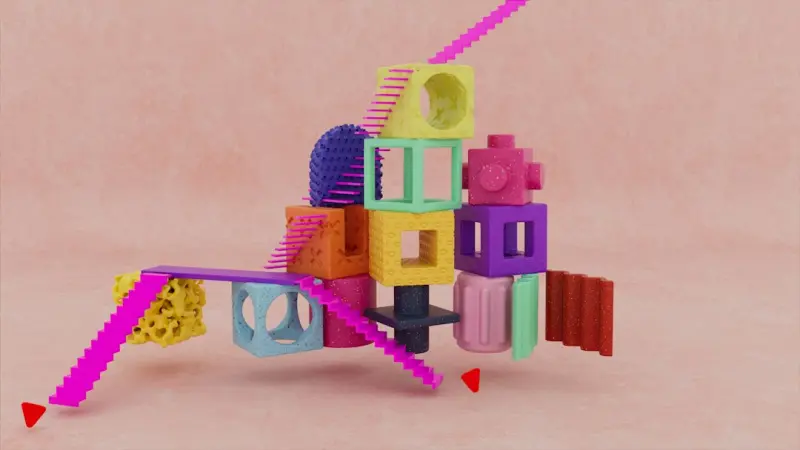
Historically, toys were static objects—something you bought, unboxed, and hoped would keep a child entertained for a few hours. Today, the best toys are platforms that evolve alongside the child. Think of a modular building set that starts with a handful of bricks but unlocks new shapes, sensors, and even code snippets as a child masters each level. The modularity isn’t just a gimmick; it’s a deliberate design choice that mirrors the scalable architecture we champion in SaaS products.
These platforms often come with companion apps that track progress, suggest challenges, and even let kids collaborate remotely. The data collected isn’t used to sell ads; it’s fed back into the toy’s ecosystem to tailor difficulty, recommend new modules, and celebrate milestones—much like a human‑AI co‑pilot that learns your preferences and nudges you toward the next breakthrough.
Why Modular Toys Are the New Learning Engine
- Personalized Learning Paths – Traditional toys offer a one‑size‑fits‑all experience. Modular systems adapt, presenting puzzles that match a child’s current skill level while gently nudging them toward more complex concepts.
- Iterative Design Thinking – Kids can experiment, fail, and iterate in real time. Adding a new sensor or a different motor becomes a low‑stakes version of A/B testing, fostering a growth mindset early on.
- Cross‑Disciplinary Skills – Building, coding, storytelling, and even basic engineering converge in a single product suite, breaking down silos that we often see in corporate training programs.
When a child snaps together a new piece, the toy’s firmware recognizes the configuration and offers a tailored challenge—perhaps a simple maze for a beginner or a robotics task for an advanced builder. This dynamic feedback loop is the engine that keeps engagement high and learning deep.
Case Study: The Rise of “Smart Brick” Ecosystems
One of the most talked‑about trends in the past year is the emergence of “smart brick” ecosystems. Companies are embedding Bluetooth Low Energy (BLE) chips, tiny accelerometers, and micro‑cameras into traditional plastic bricks. The result? A physical‑digital hybrid that can:
- Detect orientation and movement.
- Communicate with a mobile app to unlock digital worlds.
- Provide real‑time feedback via lights, sounds, or haptic vibrations.
Parents love the safety and educational value, while kids are thrilled by the instant gratification of seeing their constructions come alive. The ecosystem’s success hinges on three core pillars that echo successful SaaS models:
- API‑First Architecture – Each brick exposes a simple API, allowing third‑party developers to create new experiences without reinventing the hardware.
- Community‑Driven Content – Users share designs on forums, upload challenge videos, and remix existing builds, creating a vibrant marketplace of ideas.
- Data‑Backed Iteration – Analytics track which challenges are most popular, where drop‑offs happen, and which sensor combinations spark the most creativity.
For a deeper dive into how data fuels iterative product cycles, check out the principles behind turning customer success signals into a self‑fueling content engine.
Augmented Reality: The Glue Between Physical and Digital
Augmented reality (AR) is the secret sauce that makes modular toys feel magical. Imagine pointing a tablet at a simple cardboard castle and seeing dragons swoop across the sky, or watching a LEGO‑style spaceship launch in 3D space while the physical model lights up in sync. AR adds a layer of narrative that static toys simply can’t provide.
What’s truly fascinating is how AR platforms are borrowing from the progressive web app playbook. By delivering lightweight, offline‑first experiences, these AR layers load instantly on any device, ensuring that the magic isn’t lost due to connectivity hiccups. This approach mirrors how SaaS teams aim for “zero‑click” interactions—where the user gets the answer before they even ask.
Social Play: Collaboration Beyond the Living Room
The pandemic taught us that play doesn’t have to be confined to a single physical space. Modern toys now come with built‑in collaboration tools: shared whiteboards, live‑coding sessions, and even competitive leaderboards that celebrate teamwork. Kids can co‑design a robot from opposite sides of the globe, each contributing unique modules that sync in real time.
This collaborative spirit echoes the best of remote work culture. Just as B2B teams rely on shared knowledge bases to stay aligned, young creators lean on cloud‑based design repositories to keep their ideas synchronized. The result is a new form of “play‑as‑service” that scales with the user base, fostering a global community of mini‑inventors.
Ethical Design: Safeguarding the Future
While the excitement around AI‑enabled toys is palpable, ethical considerations must stay front‑and‑center. Data privacy, bias in algorithmic challenges, and the psychological impact of constant feedback loops are all areas that demand scrutiny. Companies that prioritize transparent data practices and give parents granular control over what is collected will earn trust—and long‑term loyalty.
In the SaaS world, we talk about “privacy‑first micro‑personalization” as a competitive edge. The same philosophy applies to toys: personalized experiences should never come at the cost of a child’s privacy. Look for products that offer clear consent dialogs, data encryption, and the ability to delete all stored information with a single tap.
Looking Ahead: The Next Generation of Play
What will the next wave of toys look like? Here are three trends I anticipate becoming mainstream within the next few years:
- Emotion‑Sensing Materials – Fabrics and plastics that detect touch pressure, temperature, and even emotional states, adapting their behavior accordingly.
- Zero‑Code Customization – Drag‑and‑drop visual programming interfaces that let kids create complex behaviors without writing a single line of code.
- Eco‑Loop Manufacturing – While sustainability was covered in a previous post, the next step is toys that literally recycle themselves, using biodegradable components that can be re‑molded into new shapes.
Each of these innovations leans heavily on the same principles that drive successful SaaS products: rapid feedback, modular architecture, and a relentless focus on user delight.
Conclusion: Play as a Platform for Growth
Whether you’re a parent, educator, or investor, the rise of modular, AI‑enhanced toys offers a compelling case study in how technology can amplify human creativity. By treating play as a platform—one that evolves, learns, and adapts—you’re not just buying a product; you’re investing in a lifelong learning engine.
If you’ve ever marveled at how SaaS companies turn data into growth, you’ll recognize the same rhythm in today’s most innovative toys. The difference? The stakes are higher, the outcomes more personal, and the potential for shaping tomorrow’s innovators is limitless.

Related Posts
The Resurgence of Retro Toys: Why Collectible Toys Are Making a Comeback
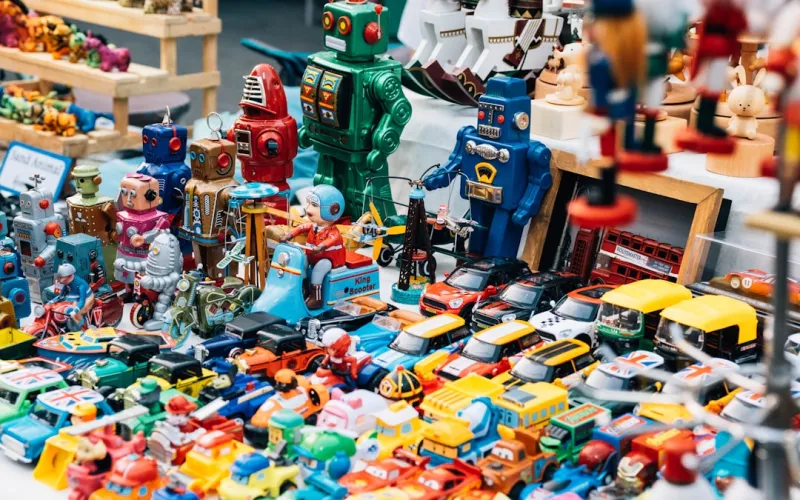
The world of collectible toys is experiencing a resurgence, with retro toys making a comeback. Learn... Read More

Why Intelligent Play Is Redefining the Toy Industry
A deep dive into the rise of intelligent play, highlighting how technology, inclusivity, and sustain... Read More

When Physical Meets Digital: The AR Toy Revolution
A deep dive into how AR-enabled toys blend tactile fun with digital depth, driving engagement, educa... Read More
Top Posts

Unlocking Hidden Local Traffic: Structured Data and Community Partnerships for SaaS
Learn to combine schema markup with strategic community partnerships to dominate local search results, increase click‑through rates, and attract location‑ba...Read More

The Human‑Centric Playbook for Modern Social Media Advertising
Learn why shifting to a human‑centric mindset in social media advertising creates authentic connections, higher engagement, and sustainable ROI....Read More
Semantic Topic Clustering: Unlocking Scalable SEO for SaaS
Discover a fresh SEO strategy for SaaS: semantic topic clustering. This post shows how to map entities, create pillar pages, leverage structured data, and measu...Read More

Micro‑Content Loops: Turning One Piece into a Cascade of Engagement
Micro‑Content Loops transform a single, well‑crafted pillar piece into a series of platform‑specific assets, boosting reach, SEO, and conversion while opt...Read More
0 Comments
Post Comment
You will need to Login or Register to comment on this post!