

When I first swapped a polished blog post for a 15‑second story on a disappearing platform, the instant surge of comments and shares reminded me that audiences crave immediacy almost as much as they crave relevance. The thrill of creating something that lives for a single day—or even a few hours—forces marketers to strip away the fluff and focus on the emotional core that compels a viewer to act before the content evaporates. This shift from static to fleeting not only amplifies real‑time engagement but also creates a sense of urgency that can transform passive followers into active participants, a dynamic I’ve found essential for building a brand that feels alive in the moment.
Why Ephemeral Content Is the Secret Weapon
Ephemeral formats—stories, reels, and short‑lived live streams—are no longer just a feature for younger demographics; they have become a universal language that cuts through the noise of endless feeds and algorithmic overload. By publishing content that disappears, brands signal confidence in their relevance, prompting audiences to prioritize viewing before it’s gone, which in turn drives higher completion rates and more authentic interaction. Moreover, the temporary nature encourages experimentation, allowing marketers to test bold creative ideas without the fear of permanent brand missteps, a freedom that fuels innovation and keeps the brand narrative fresh.
Beyond the buzz, the data tells a compelling story: platforms that prioritize ephemerality report up to 70 % higher click‑through rates on embedded calls‑to‑action compared to traditional posts, and users are twice as likely to share a story that feels exclusive. This isn’t just a vanity metric; the immediacy translates into quicker decision cycles for consumers, shrinking the path from awareness to purchase. In practice, pairing a limited‑time discount code with a behind‑the‑scenes story can convert viewers into buyers within minutes, creating a feedback loop that fuels both sales and brand loyalty.
Choosing the right platform is a strategic decision that hinges on where your audience spends their most engaged moments. Instagram and Snapchat pioneered the story format, but newer entrants like LinkedIn and even email newsletters now offer “disappearing” elements that cater to professional and B2B audiences. The key is to align the platform’s native behaviors—such as swipe‑up links, interactive stickers, or poll features—with your campaign goals, ensuring that each fleeting piece of content serves a clear purpose rather than existing as a gimmick.
Designing a Voice‑First Content Blueprint
While ephemerality captures attention in the visual realm, the rise of smart speakers and voice assistants has opened a parallel avenue for brands to engage listeners through conversational experiences that feel personal and immediate. Voice‑first content requires a shift from visual storytelling to auditory narratives that respect the listener’s context, whether they’re cooking, commuting, or multitasking at a desk. By crafting concise, story‑driven audio snippets that answer common questions or share brand anecdotes, marketers can embed themselves into daily routines without demanding visual focus.
To succeed, start by mapping out the most frequent user intents that align with your brand values and then script responses that feel natural rather than robotic. This means avoiding keyword stuffing and instead focusing on the conversational cadence that mirrors how a human would speak, using pauses, tonal variation, and even humor where appropriate. When I first piloted a brand‑centric podcast series that answered “quick tip” queries in under 60 seconds, the listener retention jumped dramatically, proving that brevity paired with relevance can make voice content as sticky as a visual meme.
Optimizing for voice search is not merely about transcribing blog posts; it involves restructuring content around question‑based formats and leveraging schema markup to surface concise answers in voice assistants. For instance, a well‑crafted FAQ page that anticipates natural language queries can be harvested by Google Assistant, delivering your brand’s expertise directly to the user’s ear. Integrating an agile content strategy ensures that these voice assets remain fresh, as you can iterate based on real‑time listening data and audience feedback, keeping the audio experience as dynamic as the fleeting visuals.
Measuring Success and Scaling the Hybrid Approach
Tracking the impact of both ephemeral and voice‑first initiatives requires a blended analytics framework that captures immediate engagement metrics and longer‑term conversion signals. For stories, focus on completion rates, swipe‑up clicks, and the ratio of new followers acquired during the 24‑hour window; for voice content, monitor session duration, repeat listens, and the lift in organic search rankings for question‑based queries. By consolidating these data points into a unified dashboard, marketers can identify which formats drive the highest ROI and allocate resources accordingly.
One practical method for amplifying reach is to repurpose high‑performing ephemerals into evergreen assets, such as turning a popular behind‑the‑scenes story into a case study blog or an audio snippet into a podcast episode. This not only extends the life of the content but also creates cross‑channel synergies that reinforce the brand message. Additionally, incorporating interactive elements—like quizzes or calculators linked within a story—can generate natural backlinks and boost authority, a tactic I’ve successfully employed through interactive link‑building strategies that turn fleeting moments into lasting SEO value.
Finally, the future of content marketing lies in the seamless integration of these transient experiences with a data‑driven, user‑centric mindset. Brands that master the art of creating urgency through ephemerality while simultaneously embedding their voice into everyday conversations will not only capture attention but also cultivate loyalty that endures beyond the 24‑hour lifespan of a story. The next step is to experiment, measure, and iterate—because in a landscape where attention is fleeting, the only constant is the need to evolve.

Related Posts
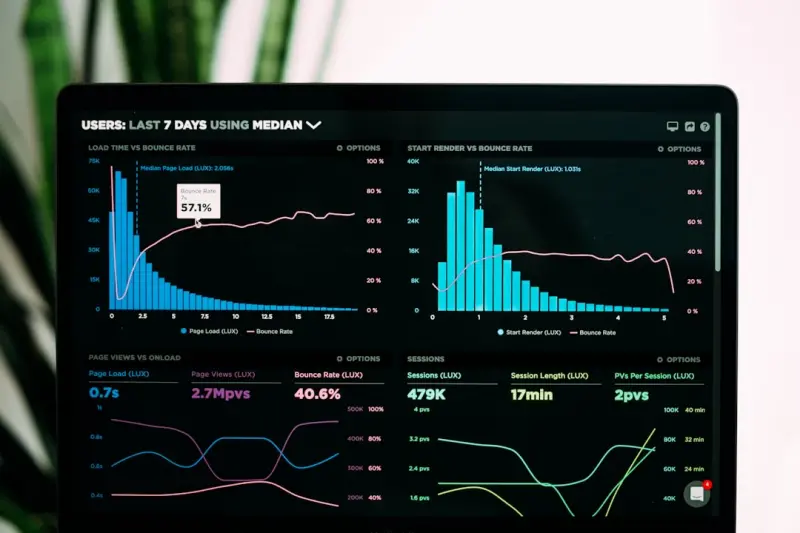
The Insight‑First Playbook: Turning Behavioral Data into Content Marketing Gold
A step‑by‑step guide to turning real‑time buyer signals into modular content that delivers the... Read More
Co‑Creating Authority: Turning Customers into Content Partners
Learn how to shift from solo thought leadership to collaborative content creation with customers, le... Read More

The Human‑Centric Revolution: How Content Marketers Can Win Hearts and Rankings
A human‑centric reset is reshaping content marketing. Learn how empathy, data‑driven storytellin... Read More
Top Posts
Local SEO in the Age of AI: How to Stay Ahead of the Competition
Local SEO is evolving rapidly in the age of AI. Learn how to stay ahead of the competition with expert tips and strategies on content creation, website optimiza...Read More

Semantic Clustering: The Next Evolution of On‑Page SEO
Learn why grouping related concepts with semantic HTML, leveraging structured data, and designing purposeful content clusters on a single page can dramatically ...Read More
The Rise of Hyper-Local SEO: A Game-Changer for Small Businesses
Hyper-local SEO is a game-changer for small businesses. Learn how to target specific geographic areas, increase online visibility, and drive more foot traffic w...Read More
Core Web Vitals: The New King of On‑Page SEO for SaaS
Core Web Vitals have become a decisive factor for SaaS on‑page SEO. This guide explains why LCP, FID, and CLS matter, offers a step‑by‑step performance pl...Read More
0 Comments
Post Comment
You will need to Login or Register to comment on this post!