

When I first started curating social feeds for a fledgling SaaS startup, my inbox was a flood of thank‑you emails, screenshots of dashboard triumphs, and enthusiastic GIFs. I quickly realized those moments were more than just warm fuzzies—they were raw, authentic content that could power an entire brand narrative. This revelation sparked the strategy I now call the Customer‑Generated Content Engine, a systematic way to harvest, amplify, and monetize the very voices that already love your product.
Why User‑Generated Social Content Deserves a Seat at the Strategy Table
Traditional B2B marketing often leans on polished case studies, white papers, and executive thought leadership. While those assets are valuable, they can feel detached from the everyday experience of a typical user. User‑generated social content (UGC) flips that script by placing real customers front‑and‑center, providing:
- Social proof that resonates: Prospects trust peer narratives more than brand‑crafted messaging.
- Fresh creative assets: A steady stream of videos, screenshots, and testimonials without the overhead of a production studio.
- Algorithmic love: Platforms reward genuine interaction, and authentic user posts often enjoy higher organic reach.
In short, UGC is the low‑cost, high‑trust fuel that can accelerate a SaaS social media strategy from “nice‑to‑have” to “growth engine.”
Step 1: Build a Structured Capture System
The first hurdle is moving from “I see a great tweet” to “We can actually use that tweet.” Without a capture system, good content slips through the cracks. Here’s a practical framework:
- Set up a dedicated listening channel. Create a private Slack or Teams channel titled #social‑gold where anyone on the team can drop links, screenshots, or raw files.
- Tag and categorize. Use a simple naming convention—
product‑feature / sentiment / format—to make later filtering painless. - Automate with webhooks. Connect your social listening tool (yes, even the one you use for product insights) to push any mention that meets a confidence threshold directly into #social‑gold. This eliminates manual hunting.
By the end of this step, you’ll have a living repository that grows daily, ready for the next phase.
Step 2: Vet, Enrich, and Secure Permissions
Not every enthusiastic shout‑out is ready for public consumption. A quick vetting checklist saves brand risk:
- Does the content align with your brand voice and values?
- Is any proprietary information exposed?
- Has the original creator consented to redistribution?
Reach out with a short, personalized note—something like, “Hey Alex, love your recent demo video! Mind if we share it with our audience? We’ll give you a full credit and a shoutout.” Most users are thrilled to be featured; a little gratitude goes a long way.
When you obtain permission, ask for a high‑resolution version or a clean copy of the original asset. This ensures the final piece looks professional across channels.
Step 3: Transform Raw Posts into Scalable Assets
Now the fun part: turning a single tweet or Instagram story into multiple pieces of content. Think of each user post as a seed that can sprout a full content tree:
- Quote graphics: Extract a compelling line, overlay it on a branded background, and add the author’s handle for instant shareability.
- Short video reels: Clip a 15‑second segment, add subtitles, and sprinkle in a subtle logo animation.
- Case‑study snippets: Pair the user’s success metric with a brief narrative paragraph for LinkedIn carousel posts.
- Blog enrichments: Embed user screenshots or quotes within existing thought‑leadership pieces to boost authenticity.
This repurposing mindset multiplies the ROI of a single user post across your entire media mix.
Step 4: Distribute Strategically, Not Randomly
Distribution is where many marketers trip up—throwing every asset at every platform hoping something sticks. Instead, match the format and tone to the platform’s sweet spot:
- Twitter/X: Quick quotes, GIFs, and short video clips thrive here. Use a conversational tone and encourage retweets.
- Instagram & Threads: Visually‑rich carousel posts or Stories with swipe‑up links (or link stickers) work best for behind‑the‑scenes looks.
- Facebook Groups & Community Forums: Longer form testimonials or user‑generated tutorials generate discussion and trust.
- Company blog & newsletters: Curated collections of top user posts become “Customer Spotlight” round‑ups that keep your audience engaged.
Remember to tag the original creator and include a call‑to‑action that nudges other users to share their own experiences—this creates a virtuous loop.
Step 5: Measure Impact with the Right KPIs
Tracking the success of a UGC program requires metrics that go beyond vanity clicks. Focus on:
- Engagement lift: Compare likes, comments, and shares of UGC posts versus brand‑only posts.
- Lead velocity: Use UTM parameters on assets that link back to gated content; monitor the number of leads generated.
- Cost per acquisition (CPA): Since UGC bypasses production costs, the CPA for these leads is often dramatically lower.
- Brand sentiment shift: Sentiment analysis tools can detect a rise in positive mentions after a UGC wave.
Iterate on your capture and distribution tactics based on these insights. Over time you’ll see a clear correlation between user‑generated social content and pipeline acceleration.
Step 6: Scale with Community‑Led Campaigns
Once the engine is humming, amplify it with structured campaigns that encourage participation. Here are three proven formats:
- Theme challenges: Invite customers to showcase how they solve a specific problem using your product. Offer a modest prize—like a free month of service—to boost entries.
- Referral reels: Ask happy users to create a 30‑second video explaining why they recommend you. Feature the best reels in a “Hall of Fame” on your website.
- Co‑creation labs: Host a live‑stream where you and a power user brainstorm new feature ideas. The resulting video is gold for both community building and product insight.
These initiatives not only flood your repository with fresh content but also deepen the emotional bond between users and your brand.
Real‑World Example: Turning a Screenshot into a Revenue Driver
One of my clients, a mid‑stage SaaS platform, noticed a customer posting a screenshot of a dashboard with a dramatic “+45% conversion lift” banner. The team quickly:
- Secured permission to use the image.
- Created a polished carousel post on Instagram, highlighting the metric and the user’s quote.
- Embedded the same graphic in a blog post titled “Customer Wins: How X Achieved 45% Growth.”
- Added a CTA linking to a demo request page with a UTM tag.
The result? A 28% increase in demo sign‑ups within two weeks, and the cost per lead dropped by 35% compared to a concurrent paid campaign.
Integrating With Broader Marketing Tactics
UGC doesn’t exist in a vacuum. Pair it with other strategic levers for compounded impact:
- Paid amplification: Boost top‑performing user posts to reach look‑alike audiences. Since the creative is already proven, the ad spend is more efficient.
- Account‑Based Marketing (ABM): Curate UGC from target accounts and use it in personalized outreach—nothing says “we get you” like a peer testimonial from the same industry.
- Product roadmapping: Analyze recurring user‑generated themes to surface feature requests (yes, this ties back to the social listening playbook).
These integrations ensure UGC becomes a central pillar of your go‑to‑market engine rather than an afterthought.
Future‑Proofing Your UGC Engine
Social platforms evolve, but the human craving for authentic stories remains constant. To keep your engine relevant:
- Stay platform‑agnostic. While X might dominate today, tomorrow’s breakout channel could be Threads, Discord, or a niche industry forum.
- Leverage emerging creative tools. AI‑driven design assistants can automate the transformation of raw posts into on‑brand graphics—check out the latest capabilities in AI‑driven creative tools.
- Continuously refine your permission workflow. As privacy regulations tighten, a clear, compliant opt‑in process will protect both your brand and your contributors.
By treating user‑generated social content as a strategic asset, you not only cut production costs but also build a community of advocates who actively fuel your growth.
Quick Checklist for Your First UGC Sprint
- ✅ Set up a capture channel and webhook integration.
- ✅ Draft a simple permission template and outreach cadence.
- ✅ Identify 3 content formats to repurpose each captured post.
- ✅ Schedule distribution across at least two platforms.
- ✅ Define KPIs and set up tracking dashboards.
- ✅ Plan a themed challenge to encourage more submissions.
Hit these milestones within a month, and you’ll have a self‑sustaining pipeline of authentic content ready to power your next campaign.
Remember, the most compelling brand stories aren’t written in boardrooms—they’re lived out by the people who actually use your product every day. Give those stories a stage, and watch your social media strategy transform from a series of posts into a powerful growth engine.

Related Posts

Social Media as a Real‑Time Product Lab for SaaS Growth
Discover how treating social media as a real‑time research lab can turn comments and polls into ac... Read More
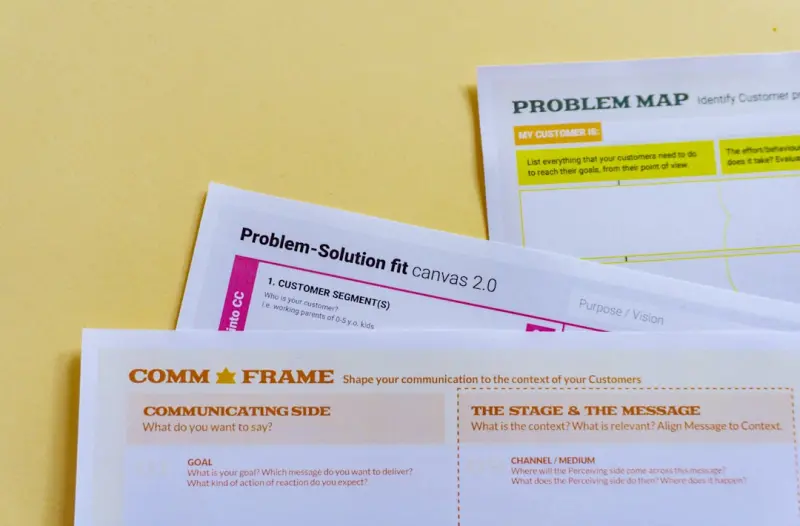
Crafting a Cohesive Storytelling Framework for Multi‑Platform Social Media Success
Discover a step‑by‑step framework to turn fragmented posts into a unified brand story that reson... Read More

Social Media Governance: Turning Chaos into a SaaS Growth Engine
Discover why social media governance is the missing link for SaaS marketers, and get a step‑by‑s... Read More
Top Posts

From Clicks to Conversations: Turning Social Media Ads into Community Hubs
Discover a community‑centric framework that reimagines social media ads as gateways to vibrant brand hubs, fostering deeper engagement, user‑generated conte...Read More

Building a Robust Social Media Strategy: Navigating the Ever-Changing Landscape
A well-crafted social media strategy is crucial for businesses and individuals alike. Learn how to build a robust social media strategy that drives real results...Read More

Community Partnerships: A Fresh Engine for Local SEO Success
Learn why authentic community partnerships are the hidden catalyst for local SEO success, how to identify and nurture them, and the measurable impact they can h...Read More

From Data to Relationships: A Fresh Blueprint for Sustainable Link Building
Explore a fresh link building approach that blends first‑party data, community events, and interactive assets to secure authentic, high‑quality backlinks an...Read More
0 Comments
Post Comment
You will need to Login or Register to comment on this post!