

Why a New Kind of Social Media Strategy Is the Real Competitive Edge
Most B2B marketers treat social media like a billboard—post a few updates, count likes, and call it a day. The reality is far richer and far more demanding. Platforms have evolved from simple content distributors into living ecosystems where culture, conversation, and commerce intersect every second. A strategy that simply chases reach or follower count is destined to drown in noise. What you need is a purpose‑driven blueprint that aligns the unique pulse of each platform with the strategic objectives of your business, while staying flexible enough to surf the inevitable algorithm waves.
Mapping Platform Intent to Business Goals
Every social network cultivates a distinct mindset. LinkedIn is a professional conference hall, Twitter a rapid‑fire public square, Instagram a visual gallery, and TikTok a short‑form storytelling arena. The first step in a sophisticated strategy is to map that cultural intent to your own goals. Ask yourself: “What does a decision‑maker on LinkedIn need to hear from us? How does a developer community on Twitter react to technical deep‑dives? Which visual narratives on Instagram resonate with our brand personality?” By aligning intent with outcome—lead generation, talent attraction, brand authority—you prevent the classic trap of repurposing a single message across every channel.
Community as Co‑Creator: Turning Followers Into Product Advocates
Instead of treating your audience as passive receivers, invite them to co‑create. When you ask for feedback on a beta feature, run a poll about upcoming content topics, or spotlight a customer’s success story, you transform a follower into a stakeholder. This shift creates an organic advocacy loop that no paid ad can replicate. For a practical illustration of turning niche audiences into high‑value leads, see the approach detailed in targeted audience conversion tactics. The same principles apply—just replace the ad spend with genuine conversation.
Narrative Architecture: Building Story Arcs That Survive Algorithm Churn
Algorithms love fresh content, but they also reward consistency. The secret is to craft a story arc that can be broken into bite‑size pieces without losing its core message. Think of your brand narrative as a three‑act play: the setup (introducing a challenge your audience faces), the conflict (showcasing obstacles and insights), and the resolution (delivering your solution and the next steps). Each act can be repurposed across platforms—an in‑depth LinkedIn article for the setup, a carousel on Instagram for conflict highlights, and a short TikTok for the resolution call‑to‑action. This modular storytelling ensures that when an algorithm reshuffles feed priorities, the audience still receives a coherent, compelling journey.
Data‑Lite Listening: Prioritizing Qualitative Cues Over Raw Numbers
Social listening tools often bombard you with dashboards of mentions, sentiment scores, and share counts. While valuable, they can obscure the human element. Focus on qualitative listening: what are people actually saying about your industry trends, what language do they use, and which pain points surface repeatedly? Pull quotes from comments, track recurring hashtags, and note the tone shifts during product launches. These insights become the raw material for authentic content and can even spark product innovations. When you pair this with the insights from interactive experience research, you’ll see how small, user‑driven tweaks can generate outsized engagement.
Human‑First Distribution: Timing, Tone, and Trust
Algorithms are a black box, but humans are not. Your distribution schedule should respect the natural rhythms of your audience. Use timezone data, but also observe when engagement spikes align with industry events—virtual conferences, product announcements, or even cultural moments. The tone should mirror the platform’s etiquette: a conversational, meme‑savvy voice on TikTok, a polished, data‑rich tone on LinkedIn, and a friendly, behind‑the‑scenes vibe on Instagram Stories. Consistency in tone builds trust; abrupt shifts can fracture the relationship and trigger platform penalties.
Leveraging Interactive Formats Without Over‑Engineering
Interactive content—polls, quizzes, live Q&A—can dramatically boost dwell time, yet many teams over‑complicate the execution. Start small: a weekly Twitter poll that asks a single, relevant question; an Instagram Story slider to gauge interest in a new feature; or a LinkedIn Live interview with a customer champion. The key is to tie the interaction back to a measurable outcome, such as gathering product feedback or nurturing a lead. By keeping the tech stack lightweight and the objective clear, you avoid the trap of “shiny objects” that drain resources without delivering ROI.
Integrating Social Signals Into the Wider Marketing Engine
Social media should not exist in a silo. The conversations you spark on Twitter can feed the topics of your next blog series; the questions raised in a LinkedIn Live can become case studies for your sales deck. Create a social‑to‑content pipeline where each platform feeds the next stage of the funnel. Use a shared content calendar that tags social insights as “source material” for email newsletters, webinars, and whitepapers. This integration amplifies the impact of each interaction and reinforces a unified brand narrative across every touchpoint.
Measuring Impact With Meaningful KPIs
Move beyond vanity metrics. Track conversation depth (average comment length, follow‑up questions), advocacy rate (percentage of followers who share or tag your brand), and conversion velocity (time from first interaction to qualified lead). Pair these with traditional metrics like reach and click‑through rates to get a holistic view. A dashboard that visualizes both quantitative and qualitative KPIs will reveal where your strategy is thriving and where it needs recalibration.
Future‑Proofing: Preparing for Platform Pivots
Platforms evolve—features are added, algorithms are tweaked, new networks emerge. Future‑proofing means building a strategy that can absorb these shocks without starting from scratch. Keep a “platform health” checklist: monitor policy updates, experiment with beta features, and maintain a diversified presence across at least three major networks. When a new format like “audio rooms” gains traction, allocate a small pilot budget to test authenticity before scaling. This proactive stance turns uncertainty into opportunity.
Actionable Checklist for a Purpose‑Driven Social Media Blueprint
- Define platform intent: Write one sentence for each channel describing its cultural mindset and your business objective there.
- Map story arcs: Draft a three‑act narrative and break it into reusable micro‑content.
- Set qualitative listening goals: Identify three recurring audience pain points to address each month.
- Launch a weekly interactive piece: Choose the simplest format that aligns with your KPI (poll, quiz, live).
- Integrate insights: Add a “social source” column to your content calendar.
- Establish KPI mix: Combine reach, conversation depth, advocacy rate, and conversion velocity.
- Review platform health quarterly: Log any algorithm changes, new features, or emerging competitors.
Closing Thought: Strategy Is a Living Conversation, Not a Static Plan
When you treat social media as a dynamic dialogue rather than a one‑way broadcast, you unlock a powerful engine for brand authority, lead generation, and product innovation. By anchoring your efforts in purpose, narrative, and human‑centered listening, you create a resilient framework that thrives no matter how the digital landscape shifts. Start today with the checklist above, and watch your social presence evolve from background noise into a strategic growth catalyst.

Related Posts
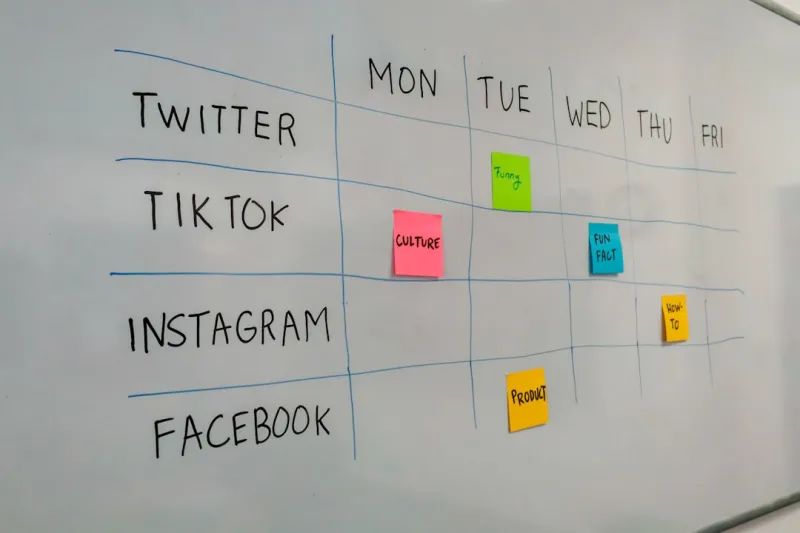
Building a Robust Social Media Strategy: Navigating the Ever-Changing Landscape
A robust social media strategy is crucial for businesses to stay ahead of the curve. Learn how to cr... Read More

Community‑First Social Media Strategy: Turning Micro‑Groups into Brand Super‑Fans
A new social media playbook shows how nurturing micro‑communities, inviting co‑creation, and lis... Read More
From Fans to Flagship: Monetizing User‑Generated Content in B2B Social Media
Discover a step‑by‑step playbook for capturing, repurposing, and scaling user‑generated social... Read More
Top Posts

Predictive Link Building: Turning Data Into High‑Quality Backlinks
Learn a fresh, data‑driven approach to link building that leverages search intent, public APIs, and community gamification to earn high‑quality backlinks....Read More
Unlocking Hidden Signals: How Server Log Analysis Supercharges SaaS Technical SEO
Server logs hold the key to understanding how search engines navigate your SaaS site. Learn step‑by‑step how to extract, analyze, and act on this data to fi...Read More

From Noise to Narrative: Transforming Social Media into a SaaS Knowledge Engine
A step‑by‑step guide shows how to map conversations, build a real‑time listening dashboard, and turn insights into micro‑stories that feed product roadm...Read More

Why Employee Advocacy Is the Missing Engine of B2B Social Media
Employee advocacy transforms a SaaS company's social media from a corporate broadcast into a network of authentic voices, driving higher engagement, qualified l...Read More
0 Comments
Post Comment
You will need to Login or Register to comment on this post!