

Why Your SEO Strategy Should Start Where the Funnel Ends
Most SaaS marketers treat SEO as a pre‑sale activity: drive traffic, hand it off to the sales team, and hope the lead converts. I’ve spent years watching that model fizzle when the handoff is clumsy. The real opportunity lies in bridging the gap between search intent and the onboarding experience. When a prospect lands on your site from an organic query, that moment is the perfect stage to start the onboarding conversation—before they even click “Free Trial.” This post flips the traditional funnel on its head and shows you how to design an SEO program that shepherds a searcher straight into a product‑led sign‑up.
Map Search Intent Directly to Onboarding Milestones
The first step is to treat each keyword as a mini‑customer journey. Instead of grouping keywords by generic topics, map them to concrete onboarding milestones: discovery, trial activation, first‑value realization, and expansion. For example, the query “how to set up automated invoices SaaS” is not just informational—it’s a cue that the user is ready for a hands‑on demo of your invoicing module. Align the landing page copy, UI cues, and CTA hierarchy so that the visitor can instantly see the path from “reading about invoices” to “starting a trial.” This alignment reduces friction and dramatically improves the likelihood of a conversion.
Design Landing Pages That Double as Mini‑Onboarding Flows
Landing pages have traditionally been static, content‑heavy assets. To capture onboarding momentum, they need to be interactive. Embed short product tours, progress bars, and in‑page forms that let users claim a trial without navigating away. Use progressive disclosure: start with a headline that mirrors the search query, then a one‑sentence value proposition, followed by a quick “Start Your Free Trial” button that triggers a pre‑filled registration form. By the time the user scrolls to the FAQs, they’ve already entered their email—turning curiosity into commitment in under 30 seconds.
Leverage Data‑Driven Keyword Expansion with Predictive SEO
Understanding which keywords are most likely to convert into trial sign‑ups is a science. By feeding historical trial data into a predictive model, you can surface high‑intent long‑tail queries that are currently under‑served. This approach is the backbone of Predictive SEO techniques that turn raw search volume into actionable onboarding opportunities. The model scores each keyword on a “conversion propensity” metric, allowing you to prioritize content creation around the terms that will feed the top of your funnel with qualified users.
Capture Zero‑Click Opportunities as Lead Magnets
Google’s answer boxes and featured snippets have turned many searches into zero‑click experiences. Rather than viewing this as lost traffic, treat it as a chance to position your SaaS as the definitive authority. Optimize your content to appear in snippets that include a call‑to‑action, such as “Learn how to set up X in minutes – start a free trial now.” When users see a concise answer paired with a clear next step, they’re more likely to click through to your site. The tactics described in Zero‑Click Search can be adapted to embed trial triggers directly within the snippet content, turning Google’s own UI into a conversion conduit.
Integrate Onboarding Metrics into Your SEO Dashboard
SEO tools give you rankings, impressions, and clicks—but they rarely show you what happens after the click. Build a custom dashboard that ties organic traffic sources to onboarding metrics: trial sign‑ups, activation rates, time‑to‑first‑value, and churn risk. This visibility lets you iterate quickly. If a specific keyword drives high traffic but low activation, you know the landing experience isn’t aligned with the user’s intent. Conversely, a modest‑traffic keyword that yields a high activation rate is a goldmine for scaling. By treating SEO and onboarding as a single data loop, you can allocate resources to the tactics that truly move the needle.
Content Repurposing: From Blog Post to Onboarding Asset
Every piece of SEO‑focused content you produce can be retrofitted into an onboarding asset. Take a comprehensive guide on “Integrating API with CRM” and slice it into bite‑size videos, interactive checklists, and in‑app help widgets. When a new trial user lands on the “API Integration” page, the content they’re reading is instantly available as a step‑by‑step tutorial within the product. This seamless transition reinforces the promise made in the search snippet and accelerates the user’s journey from curiosity to competence.
Testing and Optimization: The Continuous Onboarding‑SEO Loop
Finally, embrace a test‑and‑learn mindset. Run A/B experiments on headline phrasing, CTA placement, and the depth of onboarding content on landing pages. Track not just conversion rates, but also downstream metrics like product usage depth and Net Promoter Score (NPS). Each experiment feeds back into your keyword strategy, informing which search intents deserve more sophisticated onboarding experiences. Over time, you’ll develop a refined map of “SEO‑onboarding pathways” that consistently turn organic visitors into engaged, paying customers.

Related Posts

Semantic SEO for SaaS: Mapping Customer Journeys into Topic Clusters
Learn a step‑by‑step, journey‑first approach to semantic SEO for SaaS, building pillar pages a... Read More
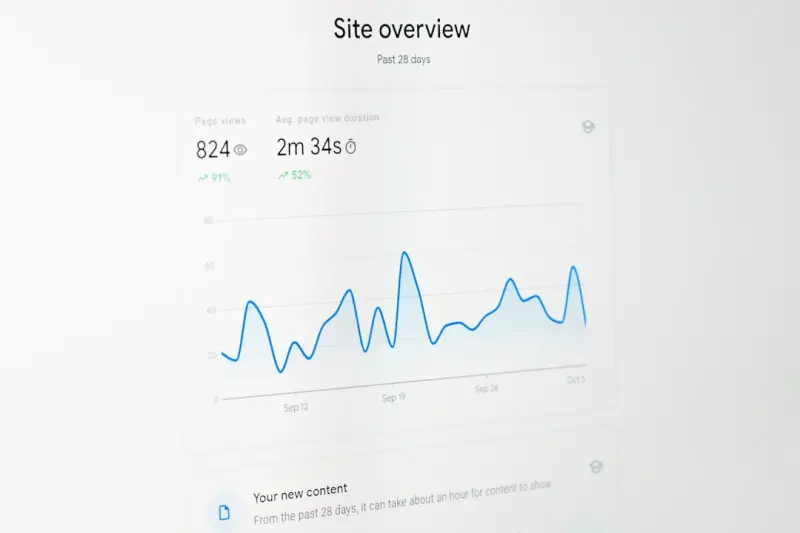
Predictive SEO: Anticipating Search Trends Before They Happen
A deep dive into predictive SEO, showing how B2B SaaS marketers can harness data, AI, and trend anal... Read More

Zero‑Click SEO: How SaaS Companies Can Win Even When Users Don’t Click
Zero‑click search results are reshaping how SaaS brands get discovered. This post outlines a stepâ... Read More
Top Posts
AI‑Augmented Content: Turning Static Pages into Living Experiences
Explore the AI‑augmented content renaissance, where dynamic dialogue, micro‑interactions, and community‑driven storytelling transform static SaaS pages in...Read More

Adaptive Content Strategies: How to Pivot Your Message in Real Time
Learn why static calendars are outdated and how adaptive content frameworks, micro‑moments, and AI‑enhanced workflows let you pivot instantly, ensuring rele...Read More

Mobile SEO Mastery: Turning Tiny Screens into Massive Traffic
Learn how to dominate mobile search with PWAs, mobile‑first structured data, and app‑store synergy, all in a practical, step‑by‑step guide....Read More

Beyond Keywords: Crafting Semantic On‑Page Experiences
Discover a fresh on‑page SEO strategy that goes beyond keywords, focusing on semantic markup, structured data, and user intent to drive higher rankings and ri...Read More
0 Comments
Post Comment
You will need to Login or Register to comment on this post!