

Rethinking Local Search: From Pinpoint Visibility to Community‑Driven Authority
When I first started digging into local SEO for our SaaS clients, the checklist felt familiar: claim Google My Business, sprinkle NAP (Name, Address, Phone) across citations, and chase a handful of local backlinks. It worked—until the data started showing a plateau. The next wave of local discovery wasn’t about “being found on a map” anymore; it was about becoming a trusted voice in the micro‑communities that actually drive foot traffic and referrals.
In this post, I’m pulling back the curtain on a strategy I call Community‑Centric Local Authority. It blends hyper‑local content, geo‑targeted schema, and micro‑influencer collaborations into a single, repeatable framework that scales beyond the traditional “listings‑only” approach. Think of it as the difference between a street sign that tells you where a store is, and a neighborhood ambassador who tells you why that store matters.
1. The Landscape Has Shifted: Why Traditional Listings Are No Longer Enough
Google’s local pack still matters, but the algorithm now weighs contextual relevance more heavily than pure proximity. A user searching for “best project‑management tool near me” isn’t just looking for a physical office—they’re looking for a solution that integrates with the local ecosystem (e.g., coworking spaces, local agencies, or industry meet‑ups).
Two forces are driving this change:
- Voice & mobile search. 60% of local searches are now voice‑initiated, and they tend to be longer, intent‑rich queries (“Which SaaS helps local nonprofits manage volunteers?”).
- Google’s “Help a Local Business” prompts. The search engine is actively surfacing community‑sourced recommendations, which means user‑generated signals have a bigger impact on rankings.
Relying solely on a static GMB profile leaves you vulnerable to these evolving signals. Instead, you need a dynamic, community‑fed engine that constantly feeds fresh, locally relevant signals back to Google.
2. Build a Geo‑Layered Content Map
Start by mapping the physical micro‑zones that matter to your target audience—think neighborhoods, business districts, and even specific office parks. For each zone, create a dedicated content hub that answers the unique questions of that community.
Example structure:
- Neighborhood blog series. Publish a monthly post titled “How TechHub Downtown Is Using Our SaaS to Streamline Project Workflows”.
- Case‑study micro‑pages. Highlight a local client’s success, embed a short video testimonial, and tag it with the neighborhood name.
- Event round‑ups. Summarize local meet‑ups, hackathons, or webinars, linking back to the event organizer’s site (a natural local backlink).
This approach does three things:
- Generates fresh, location‑specific content that search engines love.
- Positions your brand as an integral part of the local conversation.
- Creates a repository of assets you can repurpose for email, social, and paid campaigns.
3. Leverage Structured Data for Hyper‑Local Signals
Schema.org’s LocalBusiness type is still the gold standard, but it can be extended with areaServed and hasMap to pinpoint micro‑zones. Here’s a quick JSON‑LD snippet you can adapt for a city‑level SaaS office:
{
  "@context": "https://schema.org",
  "@type": "LocalBusiness",
  "name": "Acme SaaS Solutions",
  "image": "https://example.com/logo.png",
  "address": {
    "@type": "PostalAddress",
    "streetAddress": "123 Market St",
    "addressLocality": "Midtown",
    "addressRegion": "CA",
    "postalCode": "94105",
    "addressCountry": "US"
  },
  "areaServed": {
    "@type": "Place",
    "name": "Midtown & Financial District"
  },
  "telephone": "+1-555-0123",
  "url": "https://example.com",
  "hasMap": "https://goo.gl/maps/xyz123"
}
When you embed this on each neighborhood hub, you give Google a crystal‑clear signal that your business is relevant to that specific area. The result? Higher chances of appearing in “near me” voice queries that include the neighborhood name.
4. Activate Micro‑Influencers and Community Leaders
Micro‑influencers—think local business owners, coworking space managers, or niche meetup organizers—carry more weight in local search than a celebrity with millions of followers. Their endorsements generate two valuable SEO assets:
- Earned citations. A mention on a local directory or community blog often results in a high‑authority backlink.
- Social proof signals. Google now factors in review sentiment from niche platforms (e.g., CoworkingSpaceReviews.com) when assessing local relevance.
Here’s a simple outreach template:
Hi [Name],

I’ve been following your [event/group] and love how you bring together the [Neighborhood] tech community. We’re rolling out a new feature that helps local teams collaborate on‑the‑go, and I thought it could be a great fit for your members. Would you be open to a short demo or a guest blog swap?

Best,
Lauren
Once the collaboration is live, ask the influencer to embed a review schema on their site. This creates a dual‑signal loop—Google sees the review on a local site, and it sees your structured data, amplifying both sources.
5. Harness the Power of Local Review Aggregation
Most SaaS companies treat reviews as a one‑off activity on GMB or Capterra. To dominate local SERPs, you need a review aggregation engine that pulls feedback from multiple local touchpoints and pushes it back into your site’s schema.
Steps to implement:
- Identify all local review platforms where your clients are likely to leave feedback (e.g., industry‑specific directories, coworking space forums).
- Use a simple API or Zapier workflow to pull the latest five-star comments into a database.
- Display a rotating
Reviewwidget on each neighborhood hub, complete withauthor,datePublished, andreviewRatingmarkup.
Beyond SEO, this tactic feeds your sales team with authentic, location‑specific social proof they can use in outreach.
6. Measure Success with a Hyper‑Local Dashboard
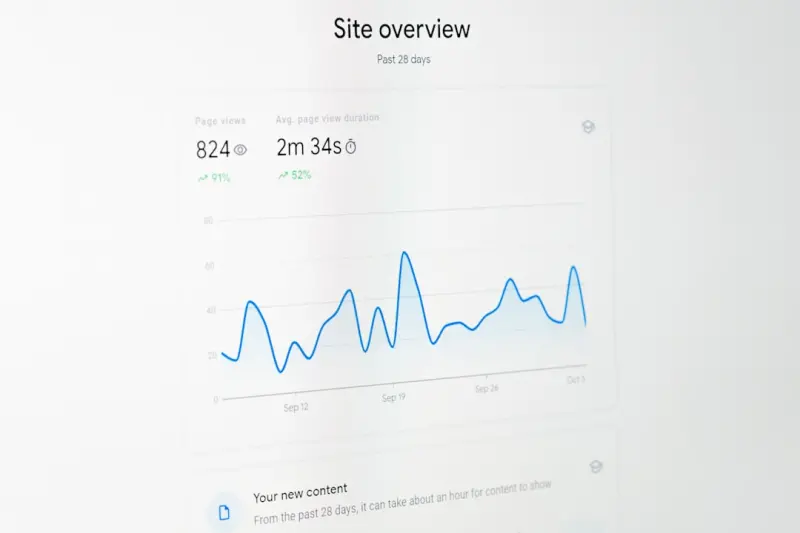
Standard SEO dashboards won’t surface the micro‑signals you need. Build a custom Google Data Studio report that pulls:
- Impressions and clicks from the “Local Pack” filtered by
areaServedkeywords. - Voice search query volume for each neighborhood (use Google Search Console’s “Search Analytics” > “Queries” > “Contains” filter).
- Backlink growth from local domains (Ahrefs “Referring domains” > “Domain Rating” & “Country”).
- Review sentiment trends from your aggregation engine.
When you see a lift in any of these metrics, double‑down on the content or partnership that drove it. The feedback loop should be tight—ideally, you’re tweaking one element each week and watching the impact in near real‑time.
7. Integrate Local Authority Into Your Broader SEO Playbook
The local strategy isn’t a silo; it feeds into your overall SEO ecosystem. Here’s how to cross‑poll the assets:
- Link from national blog posts. When you publish a thought‑leadership piece, include contextual links to the most relevant neighborhood hub. This passes authority down the hierarchy.
- Leverage employee advocacy. Your sales reps and support engineers often have deep ties to local markets. Encourage them to share neighborhood content on LinkedIn, and use the employee content champion playbook to amplify those posts.
- Feed data into RankBrain insights. By surfacing localized query patterns, you can fine‑tune your keyword clusters. See what SaaS teams must know about Google’s RankBrain for deeper technical guidance.
8. A Quick 30‑Day Sprint to Jump‑Start Community‑Centric Local Authority
Ready to put theory into practice? Follow this sprint:
- Week 1 – Map & Research. Identify the top three micro‑zones your target customers inhabit. Compile a list of local influencers, coworking spaces, and industry meet‑ups.
- Week 2 – Content Creation. Draft a neighborhood hub template (intro, case study, event roundup). Publish at least two hubs.
- Week 3 – Schema & Reviews. Add
LocalBusinessandReviewschema to each hub. Set up a Zapier workflow to import new reviews. - Week 4 – Outreach & Amplify. Reach out to micro‑influencers with the template above. Share the newly published hubs on employee social channels using the employee champion guide.
At the end of the month, review your hyper‑local dashboard. If you see a 15% lift in local impressions, you’ve validated the approach and can scale to additional neighborhoods.
Conclusion: From Listings to Leadership
Local SEO has matured from a checklist of citations into a nuanced discipline that rewards genuine community participation. By building geo‑layered content, embedding rich schema, and collaborating with local voices, SaaS companies can transition from “just being on the map” to “being the map”. The payoff isn’t just higher rankings—it’s deeper trust, stronger referral pipelines, and a sustainable competitive moat that traditional SEO tactics can’t replicate.

Related Posts

Neighborhood SEO: Turning Your Street Corner into a Search Magnet
Discover practical hyperlocal SEO tactics—optimized Google profiles, event content, neighborhood b... Read More

The Rise of Hyper-Local SEO: A Game-Changer for Small Businesses
Hyper-local SEO is a game-changer for small businesses. Learn how to optimize your online presence f... Read More

Community Partnerships: A Fresh Engine for Local SEO Success
Learn why authentic community partnerships are the hidden catalyst for local SEO success, how to ide... Read More
Top Posts

Unlocking the Hidden Levers of On‑Page SEO: From Entity Markup to Core Web Vitals
A deep dive into the underused on‑page SEO tactics that go beyond keyword stuffing, covering performance metrics, schema markup, entity optimization, internal...Read More
Zero-Click Search Optimization: Turning SERP Visibility into Conversions
Learn to harness zero‑click search, from intent mapping to structured data, and transform SERP visibility into real brand impact without relying on clicks....Read More

Designing Micro‑Moments: A New Playbook for SaaS Content Experience
Discover a fresh approach to SaaS content strategy that focuses on interactive micro‑moments, turning static assets into dynamic experiences that engage prosp...Read More

The Ultimate Guide to SEO Strategy: Navigating the Shifting Landscape
Discover the latest SEO trends and best practices to optimize your strategy for success. Learn how to navigate the shifting landscape and drive real results for...Read More
0 Comments
Post Comment
You will need to Login or Register to comment on this post!