
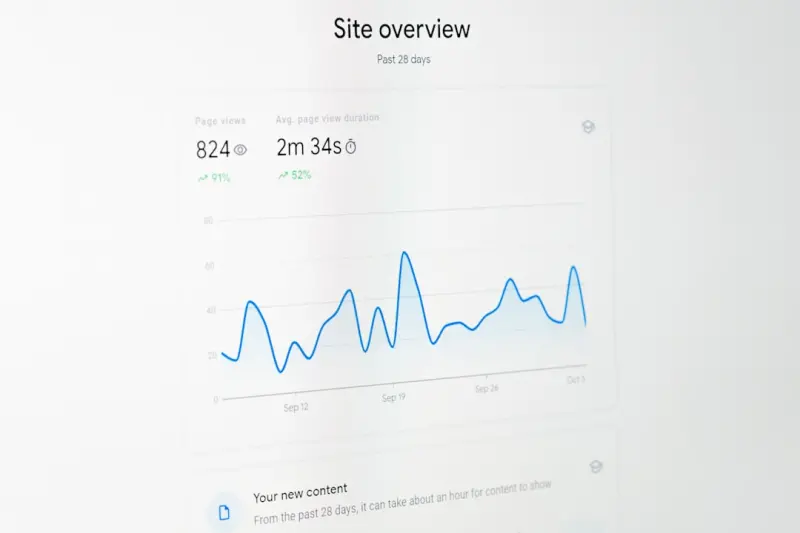
Why Zero-Click Search Is the New Frontier for SEO
When users pull up a search result and instantly get the answer they need—whether it’s a featured snippet, a knowledge panel, or a local pack—they often never click through to a website. This phenomenon, known as zero‑click search, now accounts for a significant portion of organic impressions, reshaping how we measure success. As a seasoned SEO strategist, I’ve watched the metric evolve from a curiosity to a core KPI, forcing us to rethink traditional traffic‑centric goals. Embracing zero‑click opportunities means optimizing for visibility in SERP features, ensuring your brand’s voice is heard even when the user never lands on your page.
Mapping the Search Intent Landscape
The first step to dominating zero‑click real estate is a rigorous intent mapping process. Instead of targeting generic keywords, I dissect queries into informational, navigational, transactional, and local intents, then overlay them with SERP feature trends. For example, a query like “best coffee beans” often triggers a carousel of product cards, while “how to brew espresso” may surface a step‑by‑step snippet. By aligning content to these intent signals, you position yourself to appear in the exact feature users are looking for. This strategic layering not only boosts brand exposure but also reduces bounce rates for the few users who do click, because they already know what to expect.
Crafting Content for Featured Snippets
Featured snippets are the crown jewels of zero‑click search, and winning them requires a surgical approach to content structure. I start by identifying high‑potential questions through tools like AnswerThePublic and then format answers in concise, 40‑ to 50‑word blocks, using bullet points or numbered lists when appropriate. Adding a clear definition followed by a short explanation and a practical example increases the likelihood of being lifted by Google. Remember to embed the target keyword naturally within the first 100 words and use schema markup to reinforce relevance. Over time, this method creates a library of snippet‑ready assets that feed multiple SERP features simultaneously.
Leveraging Structured Data Without Overkill
While we’ve all heard the hype around structured data, many sites either ignore it or overload pages with irrelevant markup. The sweet spot lies in applying schema that directly supports the desired SERP feature. For a local business, implementing LocalBusiness schema can unlock the coveted local pack; for an article, Article markup helps surface it in top‑stories. I recommend auditing your existing schema against the structured data best practices guide to ensure each tag adds tangible value. Thoughtful, purpose‑driven markup signals to crawlers that your content is primed for zero‑click presentation.
Optimizing for Voice Search and Conversational Queries
Voice assistants have accelerated the zero‑click trend by delivering answers directly to users’ ears. To capture this traffic, content must mirror natural language patterns, answering questions the way people actually ask them. I rewrite headings into question formats—think “What is the ideal coffee grind for espresso?”—and embed concise answers nearby. Additionally, focusing on long‑tail, conversational phrases reduces competition and aligns with the way voice queries are parsed. By integrating these tactics, you not only gain a foothold in voice SERPs but also reinforce your presence in traditional zero‑click features that share the same linguistic DNA.
Harnessing CDN Power for Faster SERP Rendering
Page speed remains a hidden factor in zero‑click rankings, especially for rich results that pull data from your site in real time. A sluggish server response can cause Google to skip your content when populating a knowledge panel or carousel. I advocate for a CDN strategy that caches critical JSON‑LD snippets and image assets at edge locations, ensuring instantaneous delivery. The CDN acceleration for crawlers playbook offers a step‑by‑step roadmap to implement this without breaking your existing infrastructure. Faster delivery translates to higher trust signals for Google, nudging your content into premium zero‑click slots.
Measuring Success Beyond Clicks
Traditional SEO metrics—organic traffic and bounce rate—no longer paint a complete picture when zero‑click impressions dominate. I shift the focus to impression share, SERP feature acquisition rate, and brand lift surveys that capture awareness generated by non‑click interactions. Tools like Google Search Console now surface featured snippet impressions, allowing you to track growth month over month. Coupling these data points with brand sentiment analysis gives a holistic view of how zero‑click visibility impacts the funnel, from awareness to eventual conversion when users finally decide to engage.
Iterative Testing and Continuous Refresh
Zero‑click optimization is not a set‑and‑forget tactic; it demands ongoing experimentation. I run A/B tests on paragraph phrasing, list structures, and schema variations to see which combinations boost snippet eligibility. When Google rolls out new SERP features—such as the recent “People also ask” carousel expansion—I quickly prototype content that fits the emerging format. Regularly revisiting high‑performing pages and refreshing answers with up‑to‑date statistics ensures your snippets stay relevant, preserving their position in the ever‑shifting search landscape.
Turning Zero‑Click Wins Into Click‑Through Opportunities
Even if users don’t click, you can still guide them toward deeper engagement. By embedding clear, concise calls to action within the snippet‑friendly content—like “Learn more about brewing techniques on our blog”—you create a pathway for curious users to seek out your site voluntarily. Additionally, leveraging optimizing single‑page apps ensures that once they do arrive, the experience is seamless, reinforcing the positive impression formed in the SERP. In this way, zero‑click success becomes a springboard for brand loyalty and future conversions.

Related Posts

SEO Experiments: A Scientist’s Playbook for Ranking Breakthroughs
Treat SEO like a lab. Learn how to craft hypotheses, run controlled tests, analyze results, and scal... Read More
Mastering SEO for Voice Assistants: A Tactical Playbook
Learn how to adapt your SEO strategy for voice assistants with actionable tactics on content, techni... Read More
From Feature Launches to Search Rankings: A SaaS‑Centric SEO Playbook
Discover how to treat each SaaS feature as a searchable asset. This guide walks you through aligning... Read More
Top Posts
Turning API Docs into SEO Powerhouses
Discover how to treat API documentation as a high‑intent SEO asset, using structured data, internal linking, and community feedback to attract developers, ear...Read More

Playful Subscriptions: How Curated Toy Boxes Are Redefining Childhood
Subscription toy boxes turn playtime into a continuous, data‑driven adventure, fostering community, sustainability, and personalized growth for kids and paren...Read More
Progressive Web Apps: The Mobile SEO Edge SaaS Teams Need
Progressive Web Apps (PWAs) deliver app‑like speed, offline access, and push notifications, giving SaaS sites a powerful advantage in mobile SEO. This guide w...Read More

Eco‑Play: Building a Greener Toy Box for Tomorrow’s Kids
A deep dive into eco‑friendly toys, covering materials, buying guides, circular play models, and actionable steps for parents to build a greener toy box while...Read More
0 Comments
Post Comment
You will need to Login or Register to comment on this post!