

Why Voice Search Is No Longer a Niche
When I first heard a smart speaker answer a simple “What’s the weather?” I realized we were standing at the brink of a seismic shift in how users discover information. Voice‑first queries now account for a sizable slice of all searches, and the rise of AI assistants means the traditional keyword list is being replaced by intent‑rich, conversational phrasing that mimics natural speech. Brands that cling to the old playbook risk being silenced while competitors who embrace the spoken medium capture the audible real estate of the future. The challenge isn’t just about being heard; it’s about aligning every piece of your digital presence with the way a human would ask a question out loud.
Decoding the AI Mindset Behind Conversational Queries
Artificial intelligence doesn’t parse words in isolation—it builds a mental model of the user’s goal, stitching together context, location, and prior interactions into a single intent signal. This means that “best Italian restaurant near me” and “where can I grab pizza tonight?” are treated as equivalent pathways to the same answer. To rank in this environment you must map your content to these intent clusters, using semantic clustering tools and natural language processing to surface the underlying themes that power voice answers. The result is a content architecture that mirrors the assistant’s thought process, positioning your site as the most logical source when the AI decides what to read aloud.
Designing Content That Speaks the Language of Assistants
The most effective voice‑ready pages read like a concise, direct conversation, answering a question in under 30 seconds of spoken time. Implementing structured FAQ schema, leveraging Answer Type markup, and framing headings as questions are proven ways to signal relevance to AI. Each answer should be succinct—ideally 40‑50 words—yet rich enough to satisfy the user’s curiosity, reducing the need for follow‑up prompts. When you embed bullet‑point lists or short paragraphs that directly address “who, what, when, where, why, and how,” you give the assistant a clear snippet to pull, increasing the chance of being selected for the coveted spoken result.
Technical Foundations That Keep Your Site Audible
Even the most perfectly crafted answer will be ignored if the underlying site fails the speed or mobile tests that voice assistants prioritize. Ensure your pages load in under two seconds on a 3G connection, leverage lazy loading for images, and serve resources via HTTP/2 to reduce latency. Mobile‑first indexing means your responsive design must render cleanly on small screens, with touch‑friendly navigation that a voice‑enabled device can translate into a seamless handoff. Additionally, implement robust robots.txt rules and a logical XML sitemap so crawlers can efficiently discover and index the conversational assets you’ve built.
Breathing New Life Into Existing Assets
Instead of starting from scratch, audit your top‑performing blog posts and reshape them for voice. Identify evergreen articles that already rank for broad topics, then rewrite the introductions as question‑answer pairs, add FAQ schema, and interlink related pieces to create a semantic hub. This systematic refresh mirrors the proven approach described in Revitalize Your Rankings: The Proven Strategy of Systematic Content Refresh, but with a voice‑first lens. By updating metadata, trimming jargon, and inserting concise spoken snippets, you extend the lifespan of legacy content while instantly signaling relevance to AI assistants.
Constructing a Brand Knowledge Graph for Authority
Voice assistants draw from structured knowledge bases to answer “who” and “what” queries, so feeding them a well‑crafted knowledge graph can place your brand at the center of the conversation. Begin by defining core entities—products, services, key personnel—and map the relationships between them using schema.org’s Organization, Product, and Person types. Publish this data in JSON‑LD on a dedicated “About” page, then amplify it through internal linking and cross‑referencing in blog posts, press releases, and case studies. Over time, the graph becomes a trusted reference point, increasing the likelihood that the assistant will surface your brand when users ask about industry‑specific concepts.
Link Building Strategies Tailored for Voice
Traditional link building still matters, but the sources that matter most for voice are those that already appear in spoken answers—Q&A platforms, podcasts, and industry‑specific forums. Pursue guest spots on podcasts where hosts read out your insights, and secure citations on reputable question‑answer sites that AI frequently pulls from, such as Stack Exchange or specialized niche forums. When you earn a backlink from a site that already ranks in voice snippets, you inherit a portion of its authority, effectively amplifying your chances of being the source the assistant chooses to vocalize.
Metrics That Matter in a Voice‑First World
Tracking success requires new lenses: monitor “position zero” impressions for spoken results, measure click‑through rates from smart speakers, and analyze conversational query volume in your analytics suite. Tools that surface featured snippet performance, like the insights shared in The Featured Snippet Playbook: Turning On‑Page Content into Position Zero, can be repurposed to gauge voice visibility. Pair these data points with traditional metrics—organic traffic, dwell time, and bounce rate—to create a holistic view of how well your voice‑centric SEO strategy is resonating with both human and machine audiences.

Related Posts

Effective SEO Strategies for Sustainable Online Growth
Effective SEO strategies are crucial for businesses to thrive in today's digital landscape. Learn ho... Read More
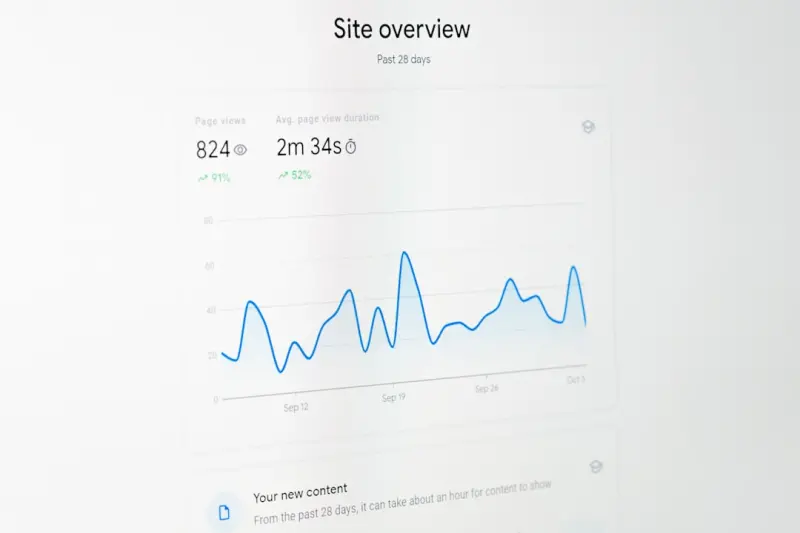
Zero-Click Search Optimization: Turning SERP Real Estate into Traffic
Learn to capture traffic without clicks by mastering zero‑click SEO, leveraging structured data, f... Read More

Predictive SEO for SaaS: Turning Data Into Ranking Wins
Predictive SEO leverages search console data, product usage logs, and machine‑learning models to a... Read More
Top Posts

Micro‑Moments on Mobile: SaaS Growth Hack
The post explains how SaaS marketers can capture high‑intent mobile micro‑moments using structured data, snippet‑ready content, and interactive mobile‑f...Read More

The Secret Sauce Behind High‑Converting SaaS Pricing Pages
Discover how to transform your SaaS pricing page into a search‑friendly, high‑converting asset with actionable SEO steps, structured data, internal linking,...Read More
Content Strategy in the Age of Constant Change
Content strategy in the age of constant change requires adaptability, agility, and a deep understanding of consumer behaviors and technologies. Learn how to sta...Read More

The Future of Content Marketing: Navigating the Shifting Landscape
The future of content marketing is all about navigating the shifting landscape of SEO, content marketing, and social media. Learn the latest trends and strategi...Read More
0 Comments
Post Comment
You will need to Login or Register to comment on this post!