

Why API Documentation Deserves a Spot at the SEO Table
When most marketers talk about SEO, the conversation orbits around blog posts, product pages, and occasionally the occasional landing page. As someone who spends mornings wrestling with developer portals and afternoons decoding analytics dashboards, I’ve learned that the real untapped goldmine often lies in the very technical assets we assume only engineers care about: API documentation.
Think about it. Every SaaS product that offers an API has a library of guides, reference manuals, and integration examples. Yet, many of these pages sit in the shadow of the corporate blog, invisible to the very audience that could amplify your product’s reach—developers searching for solutions, third‑party platforms looking to integrate, and even technical journalists hunting for reliable sources.
The Hidden SEO Landscape of Developer Guides
Developers search differently. They use precise, often code‑centric queries like “JavaScript SDK for payment processing” or “OAuth 2.0 token refresh example.” These long‑tail queries have lower competition and higher intent, making them perfect entry points for organic traffic that converts into product usage.
Below are three core reasons why you should start treating your API docs like any other SEO asset:
- High‑intent traffic: Developers are looking for exact solutions. When they land on your doc and find what they need, the chance they’ll implement your API spikes dramatically.
- Authority signals: Search engines love structured, technical content. Proper markup tells Google you’re an authoritative source on a niche topic.
- Link‑building opportunities: Other developers and tech blogs often reference well‑written docs, creating natural backlinks that boost domain authority.
Step 1: Audit Your Existing Docs Like a Content Engineer
Before you can optimize, you need a clear map of what you have. Start with a simple spreadsheet:
- URL
- Primary keyword (the exact phrase developers type into search)
- Current search impressions (pull from Google Search Console)
- Technical issues (404s, duplicate meta tags, missing schema)
Don’t underestimate the power of a clean audit. It’s the foundation for every subsequent move, much like how why on‑page SEO needs a conversion‑first mindset reframes the way we think about every page’s purpose.
Step 2: Adopt Structured Data for Code‑Heavy Content
Google’s FAQPage and HowTo schema have become popular, but they’re not the only tools in the toolbox. For API docs, the SoftwareSourceCode schema is a game‑changer. It allows you to mark up code snippets, version numbers, and even licensing information.
Example markup (simplified):
<script type="application/ld+json">
{
  "@context": "https://schema.org",
  "@type": "SoftwareSourceCode",
  "codeRepository": "https://github.com/yourcompany/api-client",
  "programmingLanguage": "Python",
  "codeSampleType": "full",
  "runtimePlatform": "Linux",
  "dateCreated": "2023-02-10",
  "description": "Python SDK for the Payments API",
  "license": "MIT"
}
</script>
This tells Google that the page isn’t just a wall of text—it’s a valuable code resource. When done correctly, you’ll start seeing “rich results” that display code snippets directly in the SERP, dramatically increasing click‑through rates.
Step 3: Optimize for Topic Clusters, Not Isolated Pages
Just as you wouldn’t create a blog post in a vacuum, your API docs should be part of a semantic cluster. Build a developer hub that interlinks related guides: authentication, error handling, pagination, and best‑practice tutorials.
Use clear, descriptive anchor text. Instead of “click here,” write “OAuth 2.0 token refresh example.” This signals relevance to both users and crawlers.
When you think about internal linking, consider how turning your enterprise wiki into a sustainable link‑building engine transformed a seemingly internal resource into a backlink magnet. Your developer hub can do the same—by being a logical, well‑structured node in your site’s architecture.
Step 4: Craft Meta Elements That Speak Developer Language
Developers skim. Your meta title should be concise, include the primary function, and feature the API name. For instance:
- Title: “Payments API – Create Charges with JavaScript SDK”
- Description: “Step‑by‑step guide to creating charges using our JavaScript SDK. Includes code samples, authentication flow, and error handling.”
Notice the emphasis on “step‑by‑step” and “code samples” – phrases that align with developer intent.
Step 5: Leverage Community Feedback for Continuous Improvement
Open‑source projects thrive on community contributions. Enable comments or a discussion board on each doc page (think GitHub Discussions or a Disqus thread). Not only does this surface real‑world use cases, but the resulting user‑generated content adds fresh, crawlable text that keeps the page “alive” in Google’s eyes.
When users upvote a solution, you can surface it at the top, creating a crowd‑sourced FAQ that further enriches the page’s relevance.
Step 6: Measure Success with the Right Metrics
Traditional SEO metrics (organic traffic, bounce rate) are still important, but for API docs you need a few extra lenses:
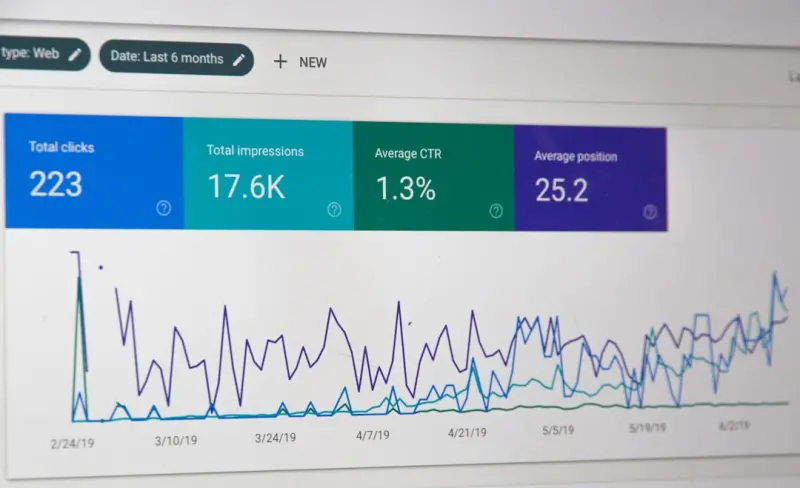
- Search impressions for developer‑centric queries – pull from Google Search Console.
- Click‑through rate (CTR) on rich results – a high CTR on code snippet results indicates relevance.
- Conversion to API key generation – tie a unique UTM parameter to doc URLs and track downstream sign‑ups.
- Time on page & scroll depth – indicates whether developers are actually reading the guide.
When you see a spike in API key creation after a new “How‑to” article goes live, you’ve just proved the direct ROI of SEO on technical content.
Step 7: Keep Up with Emerging Search Trends
Google’s “answer spot” is expanding beyond traditional featured snippets. The next frontier includes “code answer blocks” that surface entire functions. By aligning your markup with SoftwareSourceCode and keeping examples up to date, you position your docs to be the first line of code Google shows.
Similarly, the rise of AI‑generated search queries means developers may ask in natural language: “How do I refresh an OAuth token using the Payments SDK?” Ensure your content answers both the code‑centric and conversational forms.
Step 8: Turn Documentation Into a Link‑Building Engine
When your API docs become the go‑to reference, other sites naturally link back. You can accelerate this by publishing “integration case studies” that showcase real‑world uses of your API. Reach out to partners and ask them to reference the case study in their own blogs.
Remember, you don’t need a massive outreach campaign; a well‑structured, authoritative doc page can attract links organically—mirroring how a robust internal wiki can become a sustainable link‑building engine without extra effort.
Putting It All Together: A Mini‑Roadmap
Here’s a quick checklist you can copy‑paste into your project board:
- Run a full audit of existing API docs.
- Identify primary developer queries for each endpoint.
- Implement SoftwareSourceCode schema on all code examples.
- Build a hub‑and‑spoke internal linking structure.
- Write meta titles/descriptions in developer‑first language.
- Enable community comments or discussion threads.
- Set up analytics to track impressions, CTR, and API key conversions.
- Publish quarterly “integration spotlight” posts to attract backlinks.
Follow this roadmap, and you’ll start to see a shift: your API docs move from being a silent support asset to a traffic‑generating, lead‑nurturing powerhouse.
Final Thoughts: SEO Isn’t Just for Marketers Anymore
In the world of SaaS, the line between product and marketing blurs every day. By giving your API documentation the same love and rigor you give a blog post, you’re not just improving rankings—you’re lowering friction for developers, accelerating adoption, and ultimately driving revenue.
So the next time you sit down to write a new endpoint reference, ask yourself: “How will this page rank in Google? How will a developer find it? What action will they take after reading?” If you can answer those three questions, you’ve already crossed the finish line.

Related Posts

Optimizing for the Future: How to Stay Ahead in the Ever-Changing SEO Landscape
Discover the latest SEO trends and best practices to drive more traffic, increase conversions, and s... Read More

Unlock SEO Gold from Your SaaS Knowledge Base
Learn how to transform your SaaS support articles, FAQs, and community forums into high‑ranking SE... Read More
Schema Markup Strategies to Supercharge SaaS SEO
Learn why structured data is a game‑changer for SaaS SEO, with a step‑by‑step blueprint, realâ... Read More
Top Posts

Local SEO Strategies for Small Businesses: A Comprehensive Guide
Local SEO is critical for small businesses, enabling them to reach customers who are actively searching for products or services in their area. Learn the latest...Read More

Revolutionizing Link Building: Strategies for the Modern SEO Landscape
Link building remains a critical component of modern SEO. Learn the latest strategies for creating high-quality links, leveraging social media, and driving real...Read More

Optimizing for Local Search: A Comprehensive Guide to Local SEO
Improve your business's online visibility with our comprehensive guide to Local SEO. Learn the latest trends, best practices, and strategies to optimize your bu...Read More

Content Strategy in the Age of AI: How to Stay Ahead of the Curve
Content strategy in the age of AI requires adapting to the latest trends and technologies. Learn how to leverage AI-powered tools to drive success and stay ahea...Read More
0 Comments
Post Comment
You will need to Login or Register to comment on this post!