

Local SEO has long been the quiet powerhouse behind the success of brick‑and‑mortar businesses. Yet for most SaaS founders, the term still conjures images of coffee shops and auto‑repair garages rather than cloud‑based platforms. I’ve spent the past decade helping SaaS teams think beyond the global search battlefield and discover untapped opportunities in the neighborhoods where their customers actually live and work. In this post I’ll walk you through a fresh, hyper‑local playbook that turns city‑level search intent into a steady pipeline of qualified leads—without sacrificing the scalability that made your SaaS business possible.
The misconception: “Local SEO is only for physical stores”
When you hear “local SEO,” the first image that pops up is usually a storefront with a bright sign and a Google My Business (GMB) listing. That’s a useful mental shortcut, but it’s also a trap. The reality is that any SaaS product that serves a defined geographic market—whether it’s a compliance platform for healthcare providers in a specific state, a field‑service scheduling tool for regional franchises, or an API that powers on‑site kiosks in malls—can benefit from localized search signals.
Think of local SEO not as a niche tactic but as a layer on top of your existing SEO strategy. It’s the difference between showing up in a generic “project management software” search and appearing in a “project management software for Boston startups.” The latter query carries a higher conversion intent because the user has already narrowed down the decision to a location they care about.
Why hyper‑local matters for SaaS
Three forces are converging to make hyper‑local relevance a competitive advantage for SaaS:
- Geographically aware buying cycles. Buyers increasingly start their research with location‑specific queries (e.g., “best GDPR compliance tool in Berlin”). This trend is amplified by the rise of remote work, where teams need tools that comply with local regulations.
- Search engines are getting smarter. Google’s algorithms now weigh location signals—such as a user’s IP address, local language, and even city‑level search trends—more heavily than they did a few years ago.
- Local reviews and citations build trust faster. A glowing review from a neighboring company can tip the scales far more than a generic industry endorsement.
By aligning your SEO assets with these forces, you can capture demand that your broader, global‑focused content simply can’t reach.
Step 1: Map the geographic intent of your buyer personas
The first move is to understand where your ideal customers are located and what local language they use. Here’s a quick framework:
- Identify core regions. Pull data from your CRM or analytics to see where existing customers cluster. Look for patterns—state, city, even zip‑code concentrations.
- Research local terminology. Use tools like Google Trends, AnswerThePublic, or even Reddit city‑specific threads to uncover location‑specific phrasing. For example, “data residency” might be a hot topic in the EU, while “PCI‑compliant SaaS” dominates searches in Texas.
- Prioritize based on market potential. Combine the size of the region with the competitive landscape. A city with high demand but low competition is a low‑hanging fruit.
Once you have a prioritized list, you can start building location‑specific assets that speak directly to those audiences.
Step 2: Create city‑focused landing pages that feel local, not generic
Many SaaS teams fall into the trap of “copy‑pasting” a single page for every city. Search engines see through that, and users feel the disconnect. Instead, follow a modular approach:
- Core copy block. A concise, benefit‑driven description of your product that stays consistent across regions.
- Local hook. A paragraph that references local regulations, events, or case studies. For example, “Our platform helps Boston‑based biotech firms stay compliant with the latest Massachusetts biotech licensing requirements.”
- Location‑specific testimonials. Highlight customers from the same city or region. Even a short quote with a city name boosts relevance.
- Embedded map and address. If you have a physical office, coworking space, or data center in the area, add a Google Map snippet. If you don’t, consider a “virtual office” badge that signals local presence.
These elements combine to give search engines clear signals that the page is genuinely relevant to the city in question.
Step 3: Leverage localized schema markup
Schema.org offers a suite of structured data types that help search engines understand the context of your content. For hyper‑local SaaS pages, consider the following:
- LocalBusiness schema. Even if you’re not a traditional storefront, you can use this schema to declare your business name, address (or service area), phone number, and operating hours.
- Service schema. Pair it with
areaServedto list the specific cities or regions you support. - Review schema. Mark up customer reviews that mention the locality. This can generate rich snippets that boost click‑through rates.
Implementing these snippets is a relatively small engineering effort that can produce outsized visibility gains in local SERPs.
Step 4: Build hyper‑local backlinks through community partnerships
Traditional link‑building often focuses on industry blogs or large publications. For local SEO, you need links from sources that have strong geographic authority. Here are three tactics that have worked for my clients:
- Partner with local business chambers. Offer to host a webinar on “Compliance challenges for local SaaS providers” and request a backlink from the chamber’s event page.
- Sponsor city‑specific tech meetups or hackathons. The event listing usually includes a link back to your sponsor page, which is a high‑trust, location‑relevant citation.
- Contribute a guest article to a regional newspaper’s tech column. Focus on a local pain point—like “how small businesses in Denver can protect customer data under Colorado privacy law.”
These partnerships not only earn valuable links but also position your brand as a local thought leader, reinforcing trust.
Step 5: Optimize your Google Business Profile for a SaaS presence
Many SaaS founders think a GMB listing is irrelevant because they don’t have a “storefront.” That’s a missed opportunity. Google Business Profiles now support “Service Area Businesses,” which allow you to specify the regions you serve without displaying a physical address.
Key actions:
- Choose the correct category. For SaaS, “Software Company,” “IT Consulting,” or even more specific categories like “Data Security Software” can be selected.
- Add service area details. List the cities or zip codes you target. This information directly influences local search rankings.
- Publish local posts. Share case studies, local webinars, or region‑specific announcements. These posts appear in the “Updates” section of your profile and can surface in local SERPs.
- Collect and respond to reviews. Encourage customers in each city to leave a review mentioning the location. Respond promptly to build credibility.
Even a modestly optimized profile can surface your SaaS solution in the “People also ask” and “Local pack” sections for relevant queries.
Step 6: Track hyper‑local performance with the right metrics
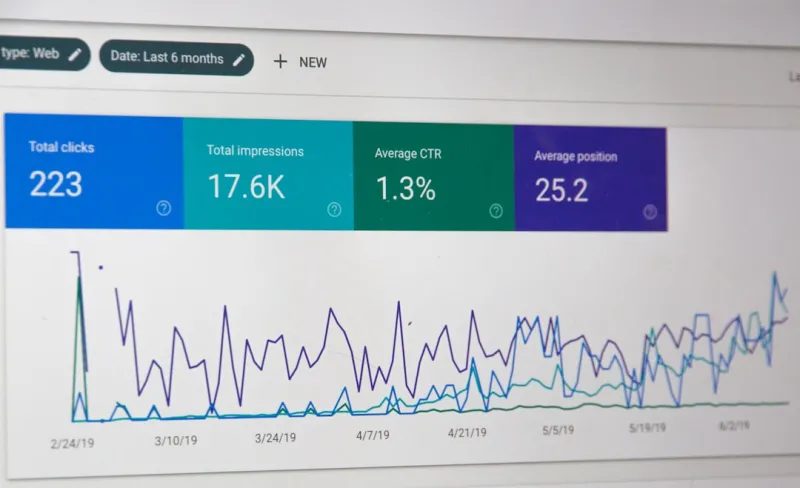
Traditional SEO dashboards focus on domain authority, organic traffic, and keyword rankings. For a local SEO program, add these dimensions:
- City‑level organic traffic. Use Google Analytics’ “Geo” report to see which cities are sending the most visitors.
- Local keyword rankings. Tools like BrightLocal or Ahrefs’ “Rank Tracker” let you monitor position for city‑specific terms.
- Conversion rate by location. Set up goals or events that capture sign‑ups, demos, or trial activations and segment them by city.
- Citation and review growth. Track the number of new local backlinks and review volume over time.
When you see a spike in a city’s traffic, dig into the source—was it a new local partnership, a fresh landing page, or a burst of reviews? This feedback loop helps you refine your hyper‑local strategy.
Case study: Turning a regional compliance gap into a lead engine
One of my SaaS clients—an audit‑automation platform—had a strong foothold in the United Kingdom but was struggling to break into the German market. The product was fully localized, but the website only had a generic “Germany” page that ranked poorly for any German‑language queries.
We applied the hyper‑local framework:
- Mapped demand to Berlin, Hamburg, and Munich based on existing leads.
- Created three city‑specific landing pages, each featuring German case studies and a local compliance expert’s quote.
- Implemented
LocalBusinessschema withareaServedset to the three cities. - Partnered with the Berlin Chamber of Commerce to host a webinar on “EU GDPR compliance for mid‑size firms,” earning a backlink from their event calendar.
- Optimized the Google Business Profile as a Service Area Business for “Berlin, Hamburg, Munich.”
Within three months, organic traffic from Germany grew by 78%, and the city‑specific pages accounted for 42% of all demo requests from that region. The client also reported a 30% reduction in sales‑cycle length because prospects felt the solution was already tailored to their local regulatory environment.
Integrating local SEO with broader content strategy
Local SEO should not exist in isolation. The best results come from weaving hyper‑local insights into your broader content engine. For example:
- Publish a blog series that showcases user‑generated case studies from different cities, turning real‑world success stories into ranking assets.
- Develop a technical guide that explains how to implement local schema and GMB APIs, then distribute it to local developer communities.
- Leverage regional newsletters or local LinkedIn groups to amplify city‑specific content, driving both traffic and backlinks.
By aligning local SEO with your overall content roadmap, you amplify the impact of each asset and create a virtuous cycle of relevance, authority, and conversion.
Common pitfalls and how to avoid them
Even with a solid plan, teams can stumble on a few recurring traps:
- Duplicate content across city pages. Search engines may penalize you if the pages are too similar. Use a modular template but ensure each page has at least 300–500 unique words tailored to the locale.
- Neglecting mobile usability. Local searches are heavily mobile‑driven. Make sure city pages load quickly, have clear call‑to‑actions, and are responsive.
- Forgetting to claim and verify your Google Business Profile. An unverified profile won’t appear in local packs, nullifying your effort.
- Relying solely on backlinks. While citations matter, on‑page relevance (local copy, schema, NAP consistency) often carries more weight for hyper‑local rankings.
Address these issues early, and your hyper‑local engine will run smoothly.
Future outlook: The rise of hyper‑local voice search
Voice assistants are becoming the default interface for “near me” queries. Imagine a CFO saying, “Hey Siri, find a SaaS solution for data privacy compliance in Austin.” If you’ve optimized your local pages, embedded schema, and built a robust GMB profile, you’ll be the top answer.
Preparing for this shift means:
- Focusing on conversational, question‑based phrasing in city pages (e.g., “What data‑privacy SaaS works best for small businesses in Austin?”).
- Ensuring your FAQ sections answer these voice‑friendly queries concisely.
- Maintaining a strong local review presence, as voice results often pull from highly‑rated local businesses.
While voice search is still emerging, early adopters can capture a premium share of the hyper‑local voice market.
Local SEO is no longer a niche afterthought for SaaS; it’s a strategic lever that can deliver high‑intent leads, shorten sales cycles, and reinforce trust in specific markets. By mapping geographic intent, building genuinely local landing pages, leveraging schema, cultivating local backlinks, optimizing your Google Business Profile, and tracking the right metrics, you’ll unlock a new frontier of growth—one city at a time.

Jimmy Anand is a content creator that gets inspired by many aspects of life, internet or whatever inspires him at that moment. When he's not online he's gaming and when he is not gaming he is online trolling discussion boards.
Related Posts
Local SEO in 2024: Dale Peterson’s Playbook for Neighborhood Dominance
Dale Peterson shares a 2024 local SEO playbook that blends hyperlocal content, mobile optimization, ... Read More

The Secret Weapon for Local SaaS: Geo‑Targeted Landing Pages Powered by Business Intelligence
A deep dive into using business intelligence to craft hyper‑local landing pages that boost SaaS vi... Read More

Local SEO Secrets from a Small‑Biz Owner: Miranda Murphy’s 2024 Playbook
Miranda Murphy shares her hands‑on 2024 local SEO playbook, from optimizing Google Business Profil... Read More
Top Posts

Beyond Text: How Immersive, AI‑Powered Content Is Redefining SaaS Marketing
In this deep dive, Rose DesRochers reveals why AI‑powered interactive stories, immersive AR/VR experiences, and community‑as‑code are the next big content...Read More

The Future of Content Trends: What You Need to Know
The world of content trends is rapidly evolving. Stay ahead of the curve by understanding the latest trends and technologies that are transforming the way we cr...Read More

Unlocking LinkedIn SEO: How to Turn Your Profile Into a Search Magnet
Learn how to master LinkedIn’s search engine with headline hacks, skill tagging, content strategies, and influencer partnerships that drive real traffic to yo...Read More

Micro‑Moment Mastery: Real‑Time On‑Page SEO for the Modern User
Discover a fresh on‑page SEO framework that aligns content with instant user intent, using contextual relevance, adaptive signals, and interactive cues to boo...Read More
0 Comments
Post Comment
You will need to Login or Register to comment on this post!