

Why Hyperlocal SEO Deserves a Spotlight
In today’s crowded digital marketplace, ranking for broad city‑wide keywords feels like shouting into a void, but zeroing in on the micro‑neighborhood level lets you whisper directly to the people who are most likely to walk through your door, and that whisper carries the weight of relevance that search engines love. Hyperlocal SEO goes beyond the traditional “near me” queries by mapping the intricate tapestry of street‑level landmarks, community events, and micro‑influencers who shape daily decision‑making, turning a simple storefront into a digital beacon that Google can’t ignore. When you align your content strategy with the pulse of the block, the algorithm rewards you with higher visibility, more qualified clicks, and foot traffic that feels organic rather than forced.
Mapping the Micro‑Landscape: Data Sources That Matter
The first step to mastering hyperlocal SEO is gathering the right data, and that means digging into sources that most marketers overlook, such as municipal GIS datasets, neighborhood association newsletters, and even the public transit schedules that dictate commuter flow. By overlaying these data points on a heat map of search intent, you can pinpoint the exact corners of your town where demand spikes at sunrise, lunch, or sunset, allowing you to schedule content releases and promotions that sync perfectly with local habits. Pair this granular insight with tools like Google Business Profile insights, and you’ll discover patterns—like a surge in “best coffee near the farmer’s market” searches every Saturday—that can be turned into targeted landing pages, blog posts, or schema markup that captures that fleeting intent.
Leveraging Community Hubs as SEO Anchors
Every neighborhood has its own magnetic gathering spots—whether it’s a beloved park, a historic library, or a bustling farmer’s market—and these hubs act as natural SEO anchors when you weave them into your digital narrative. By mentioning the “central plaza” in your meta titles, blog headlines, and schema‑enhanced FAQs, you signal to Google that your business is intertwined with the community’s core, a signal that boosts relevance for location‑based queries. Moreover, sponsoring a local event at that hub creates real‑world backlinks from city council pages, local news outlets, and community blogs, creating a virtuous cycle of authority that propels your rankings higher.
Micro‑Influencers: The Neighborhood Whisper Network
While macro influencers command massive audiences, micro‑influencers—often neighbors with 1K‑5K followers—hold the trust of the very people you want to attract, making them SEO gold mines when you collaborate on content that includes geo‑specific language and branded hashtags. A simple Instagram story from a local yoga instructor saying, “I’m meeting at the downtown co‑working space for a post‑work stretch” not only drives foot traffic but also generates user‑generated content that can be repurposed on your own site, complete with strategic link building opportunities. These authentic mentions earn natural backlinks and social signals that search engines interpret as endorsement, further cementing your hyperlocal relevance.
Optimizing Google Business Profile for Neighborhood Nuance
Google Business Profile (GBP) is the front door of hyperlocal SEO, and the secret to unlocking its full potential lies in infusing each field with neighborhood‑specific descriptors that echo the language your locals use. Instead of a generic “Bakery” category, opt for “Artisan Bakery near Riverfront Park,” and sprinkle the “From the Neighborhood” attribute with phrases like “serves the Eastside community” or “popular with downtown office workers.” Regularly publishing GBP posts that reference upcoming block parties, local school events, or seasonal street fairs not only keeps your profile fresh—an important ranking factor—but also positions you as an active participant in the community’s daily rhythm.
Schema Markup: Giving Search Engines a Neighborhood Blueprint
Structured data is the map that helps search engines navigate the nuanced layers of your hyperlocal strategy, and implementing LocalBusiness schema with detailed address, openingHours, and geoCoordinates is just the foundation. Take it further by adding areaServed entries that list nearby zip codes, neighborhoods, and even notable landmarks, allowing Google to surface your business in “nearby” panels with pinpoint accuracy. When you embed Event schema for a pop‑up tasting at the community garden, you signal to Google that your business is a dynamic part of the local scene, increasing the chances of appearing in rich results that capture searchers’ attention before they even click.
Content Strategies That Echo the Block’s Voice
Creating content that feels like a neighbor chatting over the fence requires a mix of hyper‑specific keyword targeting and storytelling that mirrors the community’s vernacular, and that starts with a deep dive into local forums, Reddit threads, and Nextdoor posts where residents voice their needs and frustrations. Draft blog posts that answer questions such as “Where can I find gluten‑free pastries after the Saturday market?” or “Best after‑work coffee spots for the tech hub on Main Street,” and embed those exact phrases in headings, alt text, and internal links. This approach not only satisfies user intent but also aligns with Google’s focus on relevance and expertise, driving higher click‑through rates from SERPs that feature your content as the definitive local guide.
Measuring Success: Hyperlocal KPIs That Matter
Traditional SEO metrics like organic traffic and domain authority are still important, but hyperlocal campaigns demand a more granular dashboard that tracks foot traffic spikes, “directions” clicks in Google Maps, and the conversion rate of “nearby” searches to in‑store purchases. Use Google Analytics’ “Location” report to isolate sessions originating within a half‑mile radius, and cross‑reference those with POS data to see which marketing pushes drove actual sales. Additionally, monitor the growth of local citations on sites like Yelp, TripAdvisor, and the city’s business directory—each new, accurate citation acts as a vote of confidence that reinforces your hyperlocal authority.
Future‑Proofing Your Hyperlocal Playbook
As voice assistants become the default way people discover nearby services, the hyperlocal SEO playbook must evolve to include conversational query optimization, ensuring that your content answers questions like “Where’s the nearest vegan bakery open now?” with concise, schema‑enhanced answers that voice devices can read aloud. Meanwhile, emerging technologies like augmented reality tours of your storefront can be linked to Google Business Profile, creating immersive experiences that keep your brand at the forefront of both search results and the community’s imagination. By continuously iterating on data, nurturing neighborhood relationships, and staying ahead of tech trends, you’ll transform your local presence from a static listing into a living, breathing hub that dominates search and drives sustainable growth.

Related Posts

Turning Community Events into a Local SEO Powerhouse
Learn to transform community gatherings into powerful SEO assets with event schema, local citations,... Read More

Hyper‑Local SEO: Mapping Micro‑Geography for Real‑World Growth
Learn why hyper‑local SEO—targeting micro‑areas, voice queries, and real‑time events—outpe... Read More

Turning Local Visual Storytelling Into SEO Gold
A practical guide shows how local businesses can harness photos, videos, and customer‑generated me... Read More
Top Posts
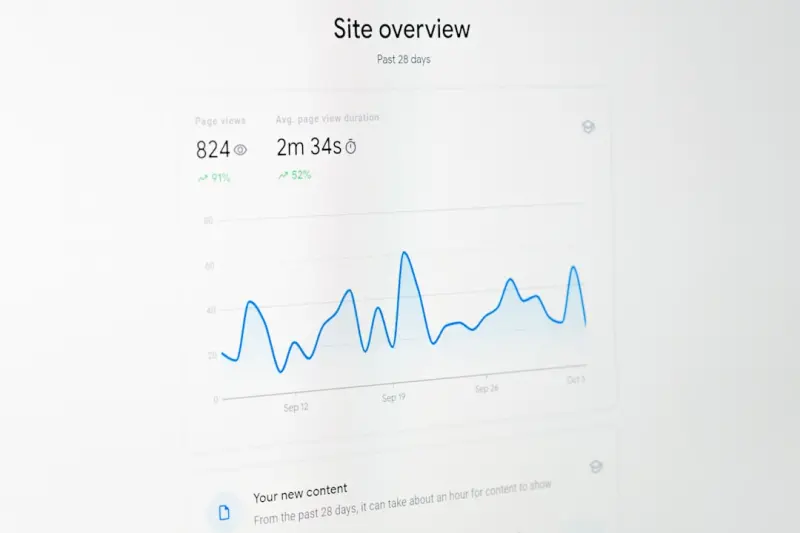
Mobile‑First SEO for SaaS: Turning Tiny Screens into Big Wins
A comprehensive guide that shows SaaS marketers how to redesign their SEO strategy around mobile‑first indexing, improve page speed, leverage structured data,...Read More

Micro‑Communities: The Untapped Engine for SaaS Social Media Advertising
Learn why small, engaged groups on platforms like Discord and Reddit are the new goldmine for SaaS advertisers, and get a step‑by‑step playbook to turn comm...Read More

The Timeless Magic of Physical Toys in a Screen-Driven World
Physical toys still hold the key to imagination, language growth, and family connection in a digital age. Learn how open-ended play, DIY hacks, and mindful scre...Read More
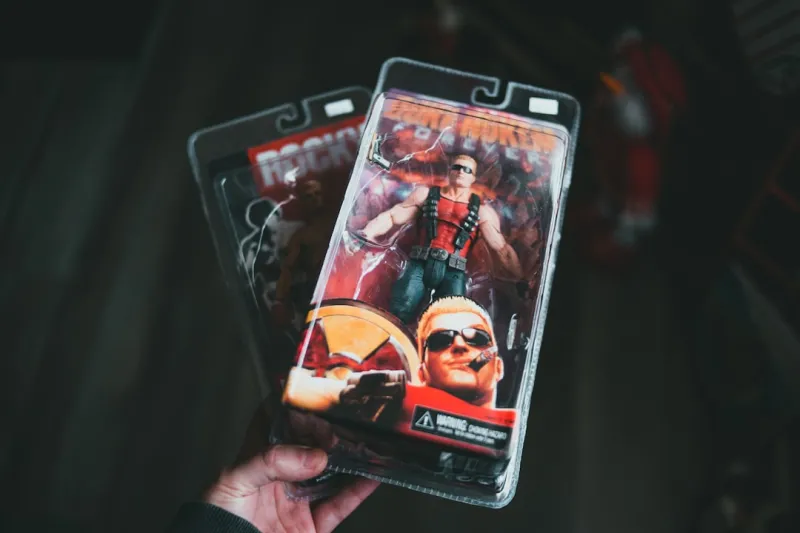
The Enduring Appeal of Collectible Toys: A Collector's Perspective
Collectible toys have captivated enthusiasts for centuries, offering a unique way to express oneself and connect with others. Learn about their history, appeal,...Read More
0 Comments
Post Comment
You will need to Login or Register to comment on this post!