

When I first started dissecting Google’s ever‑shifting ranking engine, I thought I’d need a crystal ball. What I quickly discovered is that the real magic lies not in a single algorithmic update, but in the web of relationships Google builds behind the scenes. The Entity Graph—the knowledge network that powers everything from Knowledge Panels to the “People also ask” box—is the silent powerhouse reshaping how we think about relevance.
Why the Entity Graph Matters More Than Ever
In the early days of SEO, we chased exact‑match keywords, crammed meta tags, and prayed for backlinks. Those tactics still have value, but Google’s semantic understanding has leaped ahead. The Entity Graph stitches together people, places, products, and concepts into a living map, allowing the search engine to answer queries with context, not just keyword frequency.
- Contextual relevance: When a user types “best CRM for remote teams,” Google isn’t just matching the words “CRM” and “remote.” It’s pulling in entities like “remote work,” “team collaboration,” and specific product brands that have been identified as leaders in that niche.
- Answerability: The graph powers featured snippets and answer boxes. If your content is tied to the right entities, you increase the odds of appearing in those coveted spots.
- Future‑proofing: As Google leans more on AI and natural language processing, the strength of your entity connections will determine how well your content survives the next wave of algorithmic change.
Mapping Your Content to the Graph
So how do you align a B2B SaaS blog with a system that lives in the cloud of interconnected data? The answer is threefold: identify, enrich, and signal.
1. Identify Core Entities
Begin by listing the primary concepts your product solves. For a SaaS platform that streamlines onboarding, you might target entities such as “employee onboarding,” “digital adoption platforms,” and “HR tech stack.” Use tools like Google’s Knowledge Graph Search API or even the Intent‑First On‑Page SEO guide to surface related entities that already appear in Google’s knowledge panels.
2. Enrich Content with Structured Data
Schema markup is your direct line of communication to the graph. Implement Article, FAQ, and Product schemas where appropriate. When you embed a FAQPage schema that answers common onboarding pain points, Google can extract that data and weave it into its answer engine.
Don’t stop at the basics. Leverage Speakable schema for voice‑first experiences and BreadcrumbList to reinforce site hierarchy—both signals that the graph uses to understand your content’s place in the broader information ecosystem.
3. Signal Relationships with Internal Linking
Every link you create is a vote of confidence, not just for SEO but for the entity graph. Connect articles about “employee onboarding best practices” with pieces on “remote team culture” and “digital adoption metrics.” This network of internal links tells Google that these topics belong together, strengthening their collective entity authority.
For example, the From Clicks to Conversions playbook illustrates how data‑driven content can amplify each other, a principle that works just as well for entity mapping.
Case Study: Turning a Niche Feature into an Authority Node
Last quarter, my team tackled a feature that many competitors overlooked: “automated compliance reporting.” At first glance, it seemed too narrow for broad SEO impact. By mapping it as an entity—linking it to “regulatory compliance,” “data privacy,” and “SaaS audit trails”—we positioned the article to rank for a suite of related queries.
We structured the post with clear headings, added FAQ schema addressing typical compliance questions, and linked to existing resources on “data governance” and “risk management.” Within weeks, the piece appeared in the “People also ask” section for queries like “how does SaaS handle GDPR reporting?” and captured a steady flow of qualified traffic.
Common Pitfalls and How to Avoid Them
- Over‑optimizing for a single entity: Google can detect when a page tries to force relevance. Spread your entity focus across related concepts to maintain natural relevance.
- Neglecting E‑E‑A‑T: Expertise, Experience, Authority, and Trust still anchor the graph. Back up claims with data, case studies, and citations from reputable sources.
- Ignoring the user intent behind entities: Not every mention of “AI” is the same. Align the entity with the searcher’s stage—awareness, consideration, or decision—to improve relevance.
Measuring Success in an Entity‑Driven World
Traditional SEO metrics—organic traffic, rankings, backlinks—remain vital, but you’ll want to layer in entity‑specific KPIs:
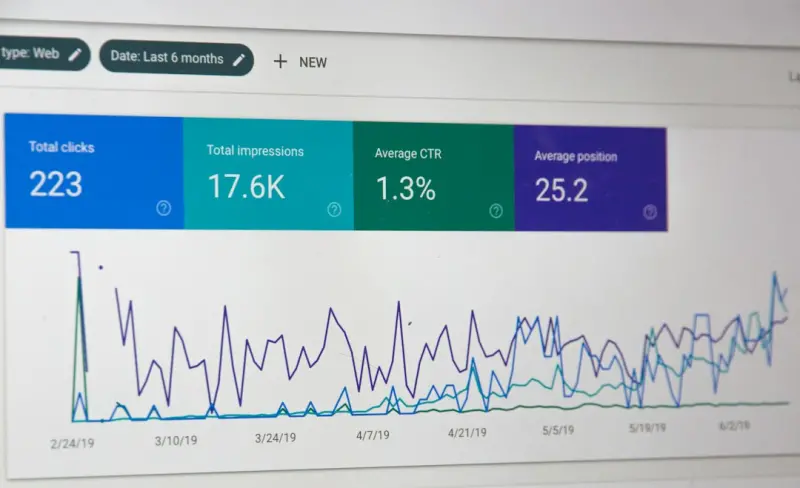
- Knowledge Panel impressions: Use the Search Console “Performance” report to see how often your brand appears in knowledge panels.
- Featured snippet clicks: Track snippet clicks to gauge how well your content is being used as a direct answer.
- Entity association growth: Tools like Ahrefs or SEMrush now surface “entity rankings.” Monitor upward movement in those metrics.
By regularly reviewing these signals, you can adjust your content roadmap, ensuring you stay aligned with Google’s evolving graph.
Future Outlook: The Graph’s Role in AI‑Powered Search
Google’s upcoming “Multimodal Search” experiments combine text, images, and video into a single query. The entity graph will be the glue that binds these modalities together, matching visual cues to textual concepts. For SaaS marketers, this means:
- Optimizing video transcripts with entity‑rich language.
- Tagging images with
ImageObjectschema that includes relevant entity identifiers. - Ensuring product demos speak the same entity language as your blog posts, creating a unified brand narrative across formats.
Embracing this shift early will position your brand as a “semantic authority,” a status that Google rewards with prime SERP real estate.
Action Plan: 5 Steps to Embed Entity Strategy Today
- Audit your existing content: Identify which core entities you already rank for. Use the “Entity Explorer” feature in Search Console.
- Map gaps: List high‑value entities you’re missing—especially those tied to emerging industry trends.
- Enrich with schema: Add or update structured data for each target page, focusing on the most relevant entity types.
- Build internal bridges: Create at least three contextual internal links per article, pointing to other entity‑related pieces.
- Monitor and iterate: Set up monthly dashboards for entity‑specific metrics and refine your content based on performance trends.
By following this roadmap, you’ll transform a scattered set of SEO tactics into a cohesive, entity‑focused strategy that resonates with both users and Google’s algorithmic brain.
Wrapping Up
The entity graph is more than a technical curiosity; it’s the compass guiding modern SEO. When you think less about “keywords” and more about “connections,” you unlock a more resilient, future‑ready approach to search visibility. As Google continues to weave AI, multimodal inputs, and real‑time data into its ranking formula, those who master the art of entity mapping will find their content not just ranking higher, but becoming the go‑to resource in their niche.

Related Posts

Beyond Rankings: How Google’s Algorithmic Shifts Reshape SaaS Visibility
The post explains how recent Google algorithm updates like passage indexing and AI-driven SERP featu... Read More
Google’s Algorithmic Feedback Loops: A SaaS Playbook for Sustainable Growth
Discover a step‑by‑step framework that aligns your SaaS content with Google’s real‑time rank... Read More

How Google’s AI‑Driven Algorithm Updates Are Redefining SEO Strategy
Explore the impact of Google’s Gemini AI on SEO, why traditional keyword tactics are fading, and h... Read More
Top Posts

The PWA Playbook: Mobile SEO Strategies That Future‑Proof Your SaaS
A deep dive into using Progressive Web Apps to dominate mobile search, improve Core Web Vitals, and turn handheld visitors into loyal SaaS users....Read More

Neighborhood Narrative: A Fresh Take on Local SEO Success
Learn how to transform your local SEO by treating each neighborhood as a living narrative—leveraging landmarks, partnerships, micro‑pages, and reviews to bo...Read More

Human‑Centric On‑Page SEO: Strategies That Speak to Users and Search Engines
Learn how to craft on‑page SEO that balances user intent, semantic HTML, and core web vitals, creating pages that both readers and search engines love....Read More

Decoding Google’s Latest Algorithm: An Empathy‑First Playbook for Modern SEOs
Explore the core shifts in Google’s latest algorithm, why empathy matters more than ever, and practical steps to align your SEO strategy with human‑focused ...Read More
0 Comments
Post Comment
You will need to Login or Register to comment on this post!