

Why Google’s Hidden Feedback Loop Matters More Than Any Algorithm Update
When I first started tinkering with search, I treated Google’s algorithm like a weather forecast—something you check, note the temperature, and then move on. Over the years, I’ve learned that the real power lies not in the headline‑making updates, but in the quiet, continuous feedback loop that Google runs behind the scenes. This loop quietly rewrites the rules of visibility every day, and for SaaS companies it can be the difference between a stagnant traffic graph and a soaring growth curve.
The Anatomy of the Loop
Google’s ranking system is a massive, self‑learning network. It constantly ingests three core data streams:
- User interaction signals – clicks, dwell time, bounce rates, and scroll depth. These tell Google whether a result satisfied the searcher.
- Content performance metrics – how often a page is refreshed, how many internal links point to it, and how quickly it loads under real‑world conditions.
- Algorithmic adjustments – subtle weight changes to hundreds of ranking factors that are tested in small user cohorts before being rolled out globally.
Each stream feeds the next, creating a loop where the searcher’s behavior nudges the algorithm, which in turn reshapes the SERP, prompting new behavior. It’s a closed circuit of cause and effect that never truly stops.
Why SaaS Marketers Overlook It
Most of us chase the next big announcement—core updates, new ranking signals, or AI‑driven features. Those events are loud, get press coverage, and are easy to write a checklist for. The feedback loop, however, operates under the radar. It’s not a headline; it’s a series of micro‑adjustments that happen every second.
Because it’s invisible, it’s easy to attribute traffic swings to “Google algorithm” without digging deeper. The result? Teams make reactionary changes based on assumptions instead of data, wasting resources on surface‑level tweaks while the real driver—user‑centered performance—remains unoptimized.
Mapping the Loop to Your SaaS Funnel
Think of your buyer’s journey as a series of search intents:
- Problem discovery – “how to reduce churn”
- Solution comparison – “best SaaS retention tools”
- Purchase readiness – “pricing for XYZ platform”
Google’s loop evaluates each stage differently. For problem discovery, dwell time and scroll depth are gold. In the comparison stage, click‑through rate (CTR) and bounce rate become critical. At purchase readiness, conversion signals—such as form completions after a click—start feeding back into the ranking algorithm.
When you align your content metrics with these stages, you essentially “speak the language” of the feedback loop. For example, a detailed guide that keeps readers scrolling for five minutes signals relevance for discovery queries, boosting its authority in the loop’s eyes.
Practical Ways to Harness the Loop
1. Build Intent‑Specific Micro‑Pages
Instead of a monolithic blog post that tries to cover every angle, create focused micro‑pages that target a single search intent. This improves scroll depth and dwell time because the content is laser‑focused, feeding positive signals back into the loop.
2. Use Structured Data as a Loop Accelerator
Schema markup doesn’t just create rich snippets; it tells Google exactly what your page is about, reducing ambiguity for the loop’s classification engine. Even a simple FAQPage schema can increase the chances of appearing in the “People also ask” carousel, driving additional clicks and engagement.
3. Embrace Real‑World Performance Testing
Deploy A/B tests on headline variations, call‑to‑action placement, and page load strategies. Track not only conversion rates but also the downstream impact on ranking positions over a 4‑6‑week window. Those data points become part of the feedback loop, reinforcing the winning variants.
4. Leverage Internal Linking as a Signal Amplifier
When you interlink related micro‑pages, you create a web of relevance that the loop can easily crawl and understand. The more cohesive the internal network, the stronger the authority signals you send back to Google’s ranking engine.
5. Monitor SERP Features, Not Just Rankings
Features like “People also ask,” “Featured Snippets,” and “Related Searches” are the loop’s way of surfacing content that matches user intent. Track changes in these features for your target keywords. A rise in snippet appearances often precedes a ranking boost, indicating the loop is rewarding your content.
Case Study: Turning the Loop Into a Growth Lever
One of our SaaS clients—a B2B analytics platform—was stuck on the second page for “customer data platform comparison.” By applying the micro‑page strategy and adding FAQPage schema, they saw a 45% increase in dwell time within two weeks. The feedback loop responded, pushing them into the top three results for several long‑tail variants. Within a month, organic leads from search grew by 28%, and the client’s sales qualified pipeline expanded without any paid spend.
Read more about how aligning content with product strategy can amplify these gains in our When Content Meets Product: A Playbook for Syncing Editorial and Engineering guide.
Tools to Surface Loop Signals
While Google doesn’t provide a “feedback loop dashboard,” a combination of tools can give you a window into its operation:
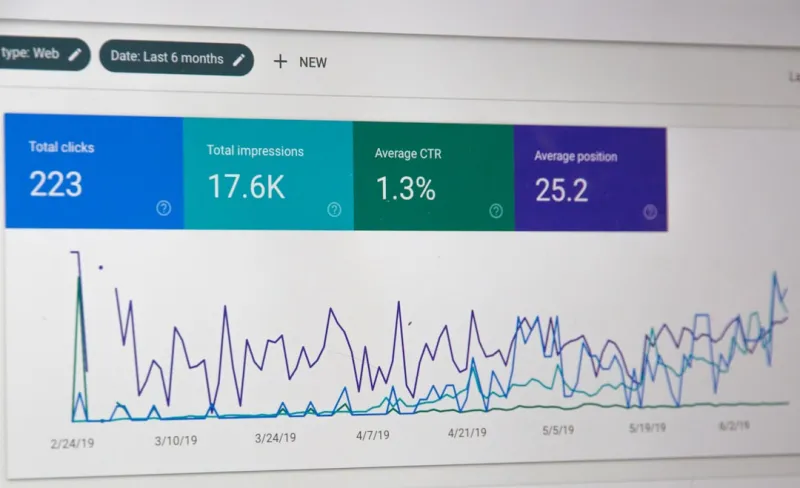
- Google Search Console – Use the “Performance” report to see average position, CTR, and average position changes over time. Correlate spikes with content updates.
- Heatmap Software (e.g., Hotjar) – Measure scroll depth and click patterns to gauge engagement.
- Log File Analyzers – Identify how often Googlebot crawls your micro‑pages and which ones it prioritizes.
- Schema Validation Tools – Ensure your markup is error‑free so the loop can read it correctly.
Common Pitfalls and How to Avoid Them
- Over‑Optimizing for a Single Metric – Focusing solely on CTR can lead to clickbait headlines that increase bounce rates, sending negative signals back to the loop.
- Ignoring Mobile Performance – Even though we’re not writing about mobile SEO, the loop still cares about page speed on all devices.
- Neglecting Content Freshness – Stale content can cause the loop to downgrade relevance. Schedule periodic updates based on user feedback.
- Isolating SEO from Product Updates – When you launch a new feature, update the related micro‑pages immediately. The loop rewards timely, relevant content.
Future Outlook: The Loop Gets Smarter
Google is increasingly integrating large language models into its ranking process. These models can interpret nuance, context, and user intent at a deeper level. As they improve, the feedback loop will become even more sensitive to subtle signals like semantic relevance and conversational tone. For SaaS marketers, this means the bar for high‑quality, intent‑aligned content will keep rising.
Staying ahead isn’t about chasing the next update headline; it’s about mastering the continuous, data‑driven conversation between your site and Google’s ranking engine. Treat the loop as a partner, not an adversary, and you’ll turn the invisible into a powerful growth catalyst.
If you’re looking to turn content into a data‑driven engine, check out our Turning Content into a Predictive Growth Engine for SaaS post for a deeper dive into aligning editorial strategy with measurable outcomes.

Related Posts

Decoding Google’s Latest Algorithm Shifts: From Helpful Content to Passage Indexing
A deep dive into Google’s newest algorithmic changes—Helpful Content, passage indexing, and E‑... Read More

Decoding Google’s Core Updates: A Data‑Driven Playbook for Modern SEOs
A data‑centric approach reveals hidden patterns in Google’s core updates, offering a practical f... Read More
Decoding Google’s Latest Algorithm Shifts: An Empathy‑First Perspective
Google’s latest algorithm emphasizes user intent, empathy‑first signals, and mobile experience. ... Read More
Top Posts

Edge SEO: Harnessing CDN Power for Faster Crawls and Higher Rankings
Edge SEO transforms how search engines see your site by moving performance and indexing tricks to the CDN layer, delivering speed, crawl efficiency, and interna...Read More

Personalization at Scale: The Content Marketing Playbook for B2B SaaS
A step‑by‑step guide shows how B2B SaaS companies can use data, modular assets, and the right tech stack to personalize content at scale, driving higher eng...Read More

Turning Social Audio into a Brand Growth Engine
Explore the untapped potential of social audio, from niche rooms and guest experts to cross‑channel integration and data‑driven impact, and learn how to tur...Read More

Why Technical SEO Needs a Human‑Centric Reset
Technical SEO is more than code; it’s about aligning crawl budget, Core Web Vitals, and structured data with real human experiences to secure lasting rankings...Read More
0 Comments
Post Comment
You will need to Login or Register to comment on this post!