

Why Traditional Link Building Tactics Are Losing Their Edge
When I first started buying guest posts, the SEO world felt like a well‑lit highway—clear rules, predictable outcomes, and a steady stream of backlinks. Fast, cheap, and scalable was the mantra, and most marketers chased the same high‑authority domains without asking why they mattered. Over time, Google’s algorithms have become more attuned to the intent behind each link, penalizing mass‑produced outreach that looks like spam. The result? A rapid drop in rankings for sites that relied solely on quantity over quality. Today, the real advantage lies in building relationships that naturally generate links because they’re earned, not bought. By treating link acquisition as a by‑product of genuine value—whether that’s a breakthrough research report, a community event, or a niche‑specific tool—you create a resilient backlink profile that can weather algorithm updates. This shift demands a mindset change: move from “link hunting” to “value sharing,” and you’ll start seeing links that not only boost authority but also drive meaningful traffic.
Data‑Driven Prospecting: Mining Real Signals for Link Opportunities
The old school approach of scraping a list of high‑DA sites and blasting out generic pitches is dead. Modern link building requires a granular understanding of what makes a target site truly relevant. Start by analyzing referral traffic patterns, social engagement metrics, and content gaps in your niche. Tools that surface “predictive link scores” can point you toward sites that have historically linked to similar assets, but the real magic is in cross‑referencing those scores with audience overlap. For example, a tech blog that frequently references open‑source projects may be more inclined to link to an in‑depth case study on your proprietary framework than to a generic how‑to guide. By aligning your content with the specific interests and pain points of each prospect, you increase the likelihood of earning a link that feels organic. I often combine these insights with the Scientific SEO Playbook methodology, ensuring every outreach effort is rooted in measurable data rather than guesswork.
Community‑First Link Acquisition: Sponsorships, Events, and Local Partnerships
One of the most underutilized avenues for acquiring high‑quality backlinks is through genuine community involvement. Rather than chasing the next big media outlet, look for hyper‑local organizations, niche forums, or industry meetups that align with your brand values. Sponsoring a regional hackathon, hosting a free webinar for a professional association, or providing exclusive research to a trade group creates a natural reason for those entities to link back to your site. The key is to make the partnership mutually beneficial—your brand gains exposure and a valuable backlink, while the community receives resources they can’t easily source elsewhere. This approach also taps into the concept of “earned media” without the high costs of traditional PR campaigns. Over time, these community‑driven links tend to have higher dwell times and lower bounce rates, signaling to search engines that the traffic is genuinely interested, which can boost overall rankings.
Micro‑Content Assets: Turning Small Pieces into Big Link Magnets
Think of micro‑content as the digital equivalent of a bite‑size snack—easy to consume, highly shareable, and perfect for embedding in other sites. Infographics, data visualizations, short video clips, and interactive calculators each serve as a compact asset that other creators love to reference. The trick is to embed a unique, linkable element within each piece, such as a proprietary data point or a custom illustration that can’t be replicated elsewhere. When a blogger or journalist incorporates your micro‑content into their article, they automatically generate a backlink to the source. To maximize this effect, create a dedicated landing page that houses all your micro‑assets and make it easy for others to embed with a simple embed code. This strategy not only diversifies your backlink profile but also drives referral traffic from a variety of niche sites that may never have considered linking to a longer‑form piece.
Measuring the True ROI of Links: Beyond Domain Authority
Many marketers still rely on simplistic metrics like Domain Authority or the sheer number of backlinks to gauge success. While those numbers provide a surface‑level snapshot, they miss the deeper impact on revenue and user engagement. A more accurate measurement involves tracking referral traffic quality, conversion rates from linked sources, and the lifetime value of customers acquired through those links. Set up UTM parameters for each outreach campaign, and feed the data into your analytics platform to see which links drive the most meaningful actions. Over time, you’ll notice patterns—perhaps links from industry podcasts yield higher lead quality, while academic citations boost brand credibility. By focusing on these nuanced metrics, you can allocate outreach resources to the channels that truly move the needle, rather than chasing vanity metrics that don’t translate into business growth.
Future‑Proofing Your Link Strategy with Emerging Technologies
The link landscape is evolving alongside advances in AI, blockchain, and decentralized web platforms. One emerging trend is the rise of “link tokens” on blockchain networks, where backlinks are verified and rewarded through smart contracts, creating a transparent audit trail for link provenance. While still in its infancy, early adopters can experiment with tokenized links to signal trustworthiness to search engines and users alike. Another frontier is AI‑generated content that can be used to produce high‑quality, niche‑specific resources at scale—provided you maintain strict editorial oversight. By integrating AI tools for rapid research and drafting, you free up time to focus on relationship building and strategic outreach. Embracing these technologies now positions your link building program to adapt seamlessly as the ecosystem shifts, ensuring you stay ahead of the curve.
Balancing Automation with Human Touch: The Sweet Spot for Outreach
Automation can dramatically increase the efficiency of your outreach workflow, but it must be tempered with genuine personalization. Automated email sequences are great for follow‑ups, yet the initial outreach should reflect a deep understanding of the prospect’s recent work, audience, and challenges. I recommend a hybrid model: use AI to draft a personalized hook based on the prospect’s latest article, then manually tweak the tone to match your brand voice. This approach saves time while preserving authenticity—a factor that search engines increasingly reward through user engagement signals. Moreover, keep a human in the loop for negotiations, content collaborations, and post‑link relationship nurturing. The combination of scalable processes and personal connections creates a sustainable outreach engine that consistently generates high‑quality links.
Wrapping Up: From Link Acquisition to Authority Building
At the end of the day, link building isn’t just about acquiring more URLs; it’s about constructing a web of trust that amplifies your brand’s authority. By shifting focus to data‑driven prospecting, community partnerships, micro‑content assets, and emerging technologies, you create a diversified backlink profile that stands the test of algorithm updates. Remember to measure success through real business outcomes, not vanity scores, and maintain a balance between automation and genuine human interaction. When you treat each link as a relationship rather than a transaction, you’ll see not only higher rankings but also deeper engagement from the audiences you aim to serve. The future of SEO is built on these authentic connections—make them the cornerstone of your link strategy today.

Related Posts
Interactive Tools: The Freshest Way to Earn High‑Quality Links
Explore a fresh link‑building strategy using interactive tools and data visualizations that natura... Read More

Link Building in the Age of AI: A SaaS Engineer’s Playbook
This post reveals a modern, data‑first approach to link building for SaaS companies, leveraging AI... Read More

Beyond Guest Posts: Building Link Authority with Curated Resource Hubs
Learn why traditional guest posting is losing steam and how you can leverage expertly curated resour... Read More
Top Posts

Mastering Social Media Ad Attribution: Turning Data Into Dollars
Learn the strategic steps to transform social media ad spend into measurable profit by mastering multi‑touch attribution, zero‑party data, and dynamic budge...Read More

The Rise of Zero‑Party Data in Social Media Advertising
Zero‑party data—information users voluntarily share—offers a privacy‑first path to hyper‑personalized social media ads. Learn how to collect, target, ...Read More
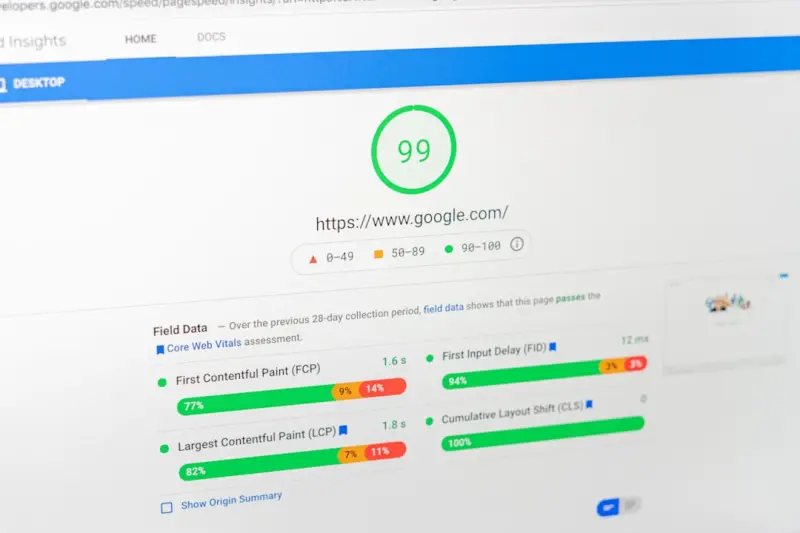
Beyond Rankings: How Core Web Vitals Are Becoming the Gatekeepers of SaaS Success
Core Web Vitals now dictate whether a SaaS site climbs or falls in Google’s rankings. This post breaks down the metrics, shows why SaaS pages are vulnerable, ...Read More

Hyper‑Local SEO for SaaS: Turning City‑Level Search Into Qualified Leads
This article reveals a step‑by‑step hyper‑local SEO strategy for SaaS businesses, from mapping geographic intent and creating city‑focused landing pages...Read More
0 Comments
Post Comment
You will need to Login or Register to comment on this post!