

Why LinkedIn Needs a Human‑Centric SEO Makeover
When I first dove into LinkedIn’s algorithmic maze, I realized that the platform isn’t just a digital Rolodex—it’s a living, breathing ecosystem where relevance, relationships, and resonance dictate visibility, and that revelation reshaped my entire optimization playbook. Traditional keyword stuffing quickly fell flat because the new LinkedIn signal favors authentic narratives that solve real professional problems, mirroring the shift we see across search engines toward empathy-driven rankings; in other words, it’s not enough to claim expertise, you must demonstrate it through genuine, value‑rich content that speaks directly to your target audience’s pain points. This human‑centric approach aligns perfectly with the principles outlined in Human‑Centric SEO: The Strategy That Puts People First, where the focus moves from abstract metrics to the tangible experience of the reader, and on LinkedIn that means crafting a profile and feed that feels like a conversation rather than a billboard.
Optimizing Your Profile Like a Search Engine Landing Page
Think of your LinkedIn profile as a high‑stakes landing page: the headline, summary, and experience sections are your meta tags, and just as you’d write a compelling title tag for Google, you need a headline that instantly conveys who you are, what you solve, and why you matter, all within the 220‑character limit that LinkedIn imposes; I personally rewrite my headline every quarter, testing variations that blend industry keywords with a human touch, such as “Growth‑Focused Marketing Leader Turning Data into Stories That Drive Revenue.” The “About” section should then expand that promise into a narrative that weaves measurable achievements with personal motivations, using the first‑person voice to build trust and embedding strategic keywords naturally so that the platform’s search engine can surface you for relevant queries; remember, LinkedIn’s internal search weighs both relevance and engagement, so a well‑crafted story that encourages clicks and connections will boost your discoverability far more than a list of buzzwords.
Content Strategy: From Thought Leadership to Algorithmic Favor
Posting on LinkedIn isn’t a one‑off activity; it’s a strategic cadence where each article, status update, or comment acts as a signal to the platform’s relevance engine, and the key is to marry topical authority with genuine empathy—a principle championed in Human‑Centric Content Marketing: Turning Empathy into Rankings, which teaches that the most shareable content solves a problem, tells a story, and invites dialogue, thereby increasing dwell time and interaction metrics that LinkedIn rewards. I schedule a mix of long‑form articles that dive deep into industry trends, short posts that ask provocative questions, and curated shares that add my perspective, ensuring that every piece includes a clear call‑to‑action that encourages comments, because the platform’s algorithm treats engagement as a proxy for value; the more authentic conversations you spark, the higher your content climbs in both feeds and search results. Additionally, leveraging native video and carousel formats not only diversifies your media mix but also taps into LinkedIn’s preference for richer media, which can dramatically boost impressions when paired with concise, keyword‑rich captions.
Building a Network That Amplifies SEO Signals
Your connections are the backbone of LinkedIn SEO, acting as both citation sources and amplification channels, so cultivating a high‑quality network is akin to earning authoritative backlinks in traditional SEO, and I approach it with the same rigor I would a link‑building campaign: I target industry leaders, engage thoughtfully on their posts, and personalize connection requests to highlight mutual value, because a genuine outreach fosters stronger relationships and higher acceptance rates, which in turn expands the reach of your future content. Once connected, I regularly endorse skills, write recommendations, and share insightful comments that add context to their work, creating a web of reciprocal interactions that signals to LinkedIn that you’re an active, trustworthy node within your niche; these micro‑engagements accumulate into macro‑visibility, pushing your profile higher in both personal and broader search results. For a deeper dive into the synergy between link building and human‑centric tactics, see Link Building in the Age of Human‑Centric SEO, which illustrates how nurturing relationships translates into stronger algorithmic authority.
Keywords, Hashtags, and the New Semantic Landscape
While LinkedIn has moved beyond simple keyword matching, strategic placement of relevant terms and hashtags still matters, especially when you consider that the platform’s AI now leverages natural language processing to understand context and intent, meaning you must embed keywords organically within your headline, summary, and content without compromising readability; I conduct quarterly keyword research using LinkedIn’s own search suggestions and tools like Google Trends to pinpoint phrases my audience is actively seeking, then weave them into my narratives in a way that feels conversational. Hashtags function as topical buckets that help the algorithm surface your post to interested users beyond your immediate network, so selecting a blend of broad (e.g., #Marketing) and niche (e.g., #AccountBasedMarketing) tags can broaden reach while maintaining relevance; however, I limit myself to three to five hashtags per post to avoid dilution, ensuring each tag aligns with the core message and adds semantic weight. Remember, the goal is to signal relevance without appearing spammy—this balance is the essence of modern, human‑centric SEO on LinkedIn.
Measuring Impact: Metrics That Matter Beyond Vanity
To truly gauge the effectiveness of your LinkedIn SEO efforts, you must look past surface‑level metrics like follower count and focus on engagement quality, profile views, and search appearance frequency, because these data points reflect how well the platform’s algorithm perceives your relevance and authority; I set up a custom dashboard that tracks weekly profile visits, the number of times my name appears in search results, and the conversion rate of post engagements into connection requests, allowing me to iterate quickly on content topics and posting times. LinkedIn’s native analytics also provide insight into the demographics of your audience—job titles, industries, and seniority levels—enabling you to fine‑tune your messaging to the segments that drive the most business value, a practice that mirrors the data‑driven mindset of traditional SEO analytics. By regularly reviewing these metrics and aligning them with business objectives, you transform LinkedIn from a passive networking site into an active acquisition channel that fuels both brand visibility and lead generation.
Integrating LinkedIn SEO with Your Wider Digital Strategy
LinkedIn should not exist in a silo; it’s a pivotal node in a broader digital ecosystem where your website, blog, and social channels reinforce each other, and I treat my LinkedIn profile as a landing page that funnels traffic back to my owned media, embedding strategic calls‑to‑action that direct readers to my latest blog post or webinar sign‑up, while simultaneously ensuring that my website’s SEO includes links to my LinkedIn profile to boost its authority—this cross‑linking creates a virtuous loop where each platform validates the other’s credibility. Moreover, repurposing long‑form LinkedIn articles into blog posts or podcast episodes extends the lifespan of your content and captures audiences who prefer different formats, all while maintaining the core human‑centric message that drives engagement; the key is to preserve the authenticity of the original piece, adapting only the structure to suit the new medium. This integrated approach not only amplifies reach but also signals to search engines that your expertise is consistently recognized across multiple domains, enhancing overall domain authority.
Future‑Proofing Your LinkedIn Presence
The LinkedIn algorithm is an evolving beast, constantly incorporating AI‑driven insights that prioritize user intent, so staying ahead requires a mindset of continuous learning and adaptation, something I embed into my weekly routine by monitoring platform updates, participating in LinkedIn’s own learning courses, and testing new features like newsletters and polls to see how they affect engagement; embracing these innovations early often yields a competitive edge, as the algorithm tends to reward creators who experiment with fresh formats. Additionally, fostering a community around your personal brand—through regular live sessions, Q&A threads, and member‑only groups—creates a loyal audience that not only interacts with your content but also advocates on your behalf, generating organic signals that further boost your SEO performance. By keeping the human element at the forefront—listening, responding, and delivering real value—you ensure that your LinkedIn presence remains resilient, discoverable, and impactful regardless of the next algorithmic tweak.

Related Posts

LinkedIn SEO Playbook: Turning Your Profile into a Search Magnet
This post reveals a step‑by‑step LinkedIn SEO strategy—from profile architecture and company p... Read More
LinkedIn SEO: Unlocking Niche Visibility for Professionals
Learn how to optimize your LinkedIn profile for niche keywords, leverage diverse content formats, an... Read More
Unlocking LinkedIn SEO: Empathy‑First Strategies That Drive Real Visibility
Learn how to transform your LinkedIn profile into a high‑ranking, lead‑generating asset using em... Read More
Top Posts

The Empathy‑First Playbook for On‑Page SEO Success
Learn how to blend empathy with on‑page SEO tactics to create user‑focused pages that rank higher, keep visitors engaged, and turn traffic into loyal custom...Read More

The Rise of Immersive, Interactive Content: Why B2B Brands Must Play, Not Just Talk
Interactive content is redefining B2B marketing, turning static assets into immersive experiences that capture richer data, accelerate sales cycles, and differe...Read More
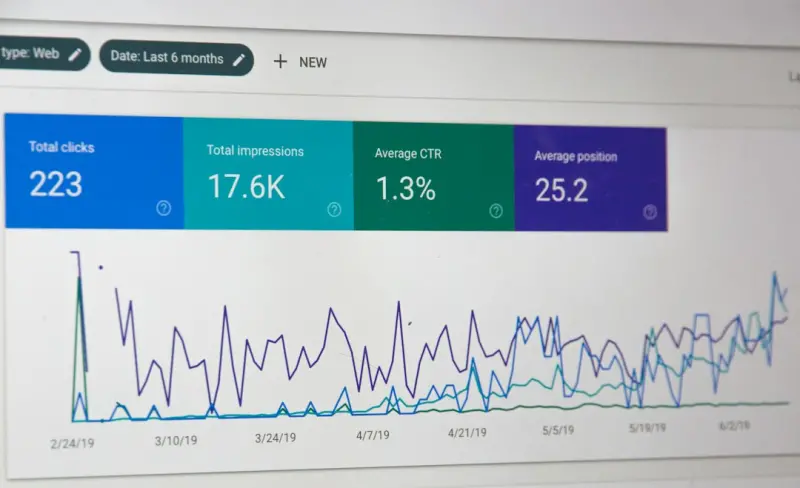
Google’s Algorithmic Feedback Loops: A SaaS Playbook for Sustainable Growth
Discover a step‑by‑step framework that aligns your SaaS content with Google’s real‑time ranking signals, from AI‑driven intent mapping to zero‑click...Read More
The Ecosystem Mindset: Rethinking B2B Content Strategy for Adaptive Growth
Learn why a static content roadmap falls short and how an ecosystem mindset—focused on interconnectivity, feedback loops, and community co‑creation—can dr...Read More
0 Comments
Post Comment
You will need to Login or Register to comment on this post!