
Local SEO Beyond Listings: Turning Real‑World Relationships into Search Power
When I first started playing with local search, I thought the game was all about citations, map pins, and keyword‑laden meta tags. Fast forward a few years, and I’ve learned that the most durable ranking signals come from the very relationships you’re already cultivating offline. In the SaaS world, especially for B2B products, the idea of “local” can feel abstract—after all, who’s looking for a cloud‑based tool on a street corner? The truth is, every sales meeting, industry meetup, and community sponsorship you host is a hidden SEO engine waiting to be ignited.
In this post, I’ll walk you through a fresh framework that flips the conventional local SEO checklist on its head. Instead of obsessing over Google My Business (GMB) tweaks, we’ll focus on three pillars that turn real‑world interactions into search‑engine authority: human‑centric citations, event‑driven content, and partnership‑based backlinks. By the end, you’ll have a playbook that not only boosts your local SERP visibility but also deepens the trust you build with prospects right where they live and work.
1. Human‑Centric Citations: The People Behind the Data
Most guides tell you to submit your business name, address, and phone number (NAP) to every directory you can find. While consistency is still important, the next evolution is to enrich those citations with the people who make your SaaS tick. Think of it as adding a face to a fact sheet.
- Employee profiles on local chamber sites. Many chambers of commerce now allow member listings that include a brief bio and photo. When your CTO or VP of Customer Success appears as a local expert, the citation gains relevance and trust.
- Speaker bios on conference pages. If you’re presenting at a regional tech meetup, claim the speaker slot as a citation. The event page will often list your company name and a link back to your site—plus it signals expertise to search engines.
- Community volunteer listings. Participating in local non‑profits and having those organizations list your involvement creates a niche citation that stands out from generic business directories.
These “human‑centric” citations do two things: they diversify your backlink profile and they embed your brand in the local ecosystem, making it more likely Google will treat you as a trusted authority for searches like “project‑management SaaS near me” or “best CRM for Chicago startups.”
2. Event‑Driven Content: Capture the Moment, Capture the Rankings
Every in‑person event you host or attend is a goldmine for fresh, hyper‑relevant content. The key is to move fast: record, publish, and amplify within the same local news cycle.
Here’s a step‑by‑step recipe I’ve refined over the years:
- Pre‑event hype. Draft a short blog post announcing the meetup, embed the event schema (yes, that’s where schema markup strategies come into play), and include a local keyword phrase—e.g., “Seattle SaaS founders gathering.”
- Live coverage. During the event, tweet photos, snap short videos, and collect quotes from speakers. Use a live‑blog widget on your site to capture the energy in real time.
- Post‑event recap. Within 24‑48 hours, publish a detailed recap that includes speaker bios, a photo gallery, and a downloadable slide deck. Optimize the page for the event’s city and industry niche.
- Repurpose the assets. Turn the recap into a podcast episode, a short LinkedIn video, and a series of Instagram Stories—all linking back to the original post.
This approach does three things simultaneously: it builds fresh, location‑specific content; it earns natural backlinks from attendees and local media; and it signals to Google that your brand is actively contributing to the local business community.
3. Partnership‑Based Backlinks: The Trust Exchange
Backlinks remain a cornerstone of SEO, but the most valuable ones now come from trusted local partners rather than generic directories. In the SaaS arena, think beyond traditional marketing agencies—look at coworking spaces, local accelerators, and even niche software user groups.
When you partner with a local coworking hub to host a “SaaS Lunch & Learn,” ask for a featured blog post on their website with a link to your landing page. Or collaborate with a regional industry association on a research report; the association’s domain authority will pass a significant trust signal to your site.
To keep the process systematic, I maintain a simple spreadsheet that tracks:
- Partner name and URL
- Type of collaboration (event, content, sponsorship)
- Link placement (footer, blog post, resource page)
- Follow‑up date for performance review
Over time, you’ll see a pattern: each partnership not only drives referral traffic but also contributes to a diversified backlink profile that Google loves—especially when those links are anchored with locally‑relevant text like “Boston SaaS integration specialist.”
4. The Local Review Loop: Turning Feedback into Authority
Reviews are often discussed in the context of consumer businesses, but B2B SaaS can reap massive benefits by encouraging clients to leave location‑specific reviews on platforms like Google, G2, and industry‑specific forums.
Here’s how to make reviews work for local SEO:
- Ask at the right moment. After a successful onboarding or a renewal, send a personalized email requesting a short Google review that mentions your city or region.
- Showcase reviews on your site. Embed a Google review widget on your “About Us” page with schema markup—this reinforces local relevance.
- Respond publicly. Thank reviewers and address any concerns. Public interaction signals to search engines that you’re engaged and trustworthy.
When prospects see a cluster of five‑star reviews from businesses in their area, they’re more likely to click through, and Google takes note of that localized social proof.
5. Leverage “Near Me” Intent with Structured Data
Even if you’re not a brick‑and‑mortar shop, the “near me” query is exploding for SaaS solutions that have a local implementation component—think “CRM for real estate agents near me” or “project‑management tool for construction firms in Dallas.”
Implementing structured data beyond the basics can give you an edge. The schema markup strategies guide outlines how to add LocalBusiness schema to your SaaS site, even if you only serve a specific region. Include fields like areaServed, serviceType, and contactPoint to make your intent crystal clear to Google.
When paired with the human‑centric citations and event‑driven content we discussed earlier, this technical layer helps search engines match your site to the precise “near me” intent of your target audience.
6. Measuring Impact: A Local SEO Dashboard
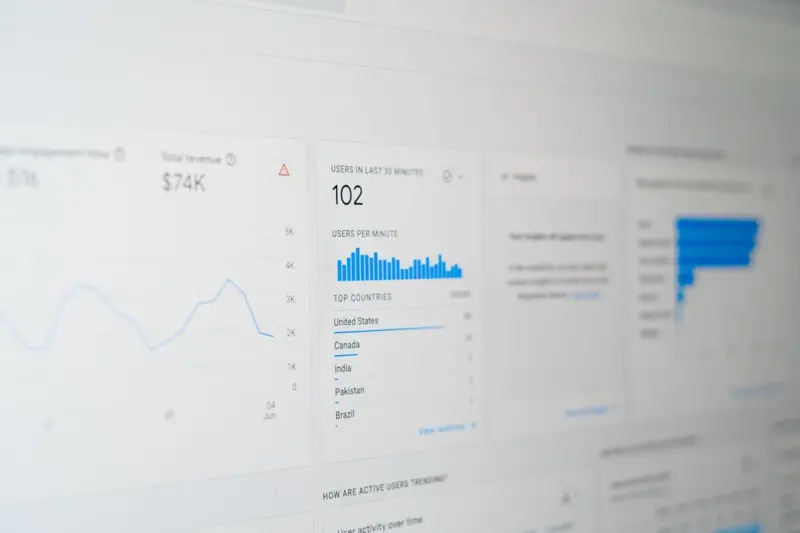
Data is the final piece of the puzzle. While you could rely on generic ranking tools, a focused local SEO dashboard gives you actionable insights. I built a simple Google Data Studio report that pulls in:
- Google Search Console impressions for local keyword groups
- Google My Business insights (views, searches, actions)
- Referral traffic from partner sites and event pages
- Review volume and sentiment trends
By monitoring these metrics weekly, you can spot which partnerships are delivering the most “link juice,” which events are driving the biggest spikes, and where you need to double‑down. For a deeper dive on audit methodology, see the data‑driven local SEO audit blueprint.
7. Scaling the Model Across Multiple Markets
If your SaaS targets several cities, you don’t have to reinvent the wheel for each one. Create a modular “Local Playbook” that includes:
- Standard outreach email templates for chambers and coworking spaces.
- A reusable event blog post template with placeholder city name and speaker sections.
- A checklist for updating NAP and schema data per location.
Assign a local champion—often a sales rep or community manager—to own each market’s outreach and content calendar. This decentralizes effort while maintaining a consistent brand voice, allowing you to scale your local SEO impact without drowning in manual work.
8. Common Pitfalls and How to Avoid Them
Even with a solid strategy, teams stumble on a few recurring mistakes:
- Over‑optimizing anchor text. Mixing branded, generic, and location‑specific anchors keeps your backlink profile natural.
- Neglecting mobile experience. Most local searches happen on smartphones; ensure landing pages load in under three seconds and have clear calls‑to‑action.
- Forgetting to claim and verify local listings. An unverified GMB profile can actually hurt your rankings.
- Skipping follow‑up with partners. A one‑off link is nice, but a sustained relationship yields recurring SEO benefits.
By keeping these guardrails in mind, you can maintain a healthy, growth‑focused local SEO engine.
9. Bringing It All Together: Your First 30‑Day Sprint
Ready to put theory into practice? Here’s a quick 30‑day sprint to launch your relationship‑driven local SEO strategy:
- Week 1: Audit existing citations and add employee bios to at least two local directories.
- Week 2: Secure a speaking slot or sponsorship at a regional meetup; create the pre‑event blog post with schema markup.
- Week 3: Publish the event recap and push it through email, LinkedIn, and a short video teaser.
- Week 4: Reach out to three local partners for backlink opportunities and request a batch of new reviews from recent clients.
Track your key metrics in the dashboard outlined above, and you’ll start seeing lift in local impressions, referral traffic, and, most importantly, qualified leads from the neighborhoods you serve.
10. The Bigger Picture: Local SEO as Trust Engineering
At its core, local SEO is about engineering trust at the community level. In a world where SaaS decisions are increasingly influenced by peer recommendations and localized expertise, the brands that win are the ones that have woven themselves into the fabric of the regions they serve. By championing real‑world relationships, creating event‑centric content, and earning partnership‑based backlinks, you’re not just climbing SERPs—you’re building a reputation that lasts long after the algorithm changes.
So the next time you think about “local SEO,” picture a bustling neighborhood coffee shop where you’re having a coffee with a potential client, a local tech meetup buzzing with ideas, and a community board plastered with your company’s name. Those are the signals Google loves, and they’re the signals that turn a search click into a long‑term customer.

Related Posts

Hyper‑Local SEO Playbook: Turning Neighborhood Communities into SaaS Growth Engines
This guide reveals a data‑driven hyper‑local SEO strategy for SaaS firms, covering micro‑commu... Read More

Beyond the Map Pin: How Voice & AI are Redefining Local SEO
Voice search is reshaping local discovery. Learn how to optimize schema, create micro‑content, and... Read More

Hyperlocal Micro‑Moments: The New Frontier for SaaS Local SEO
This post reveals a fresh local SEO approach for SaaS businesses, focusing on hyper‑local micro‑... Read More
Top Posts

Adaptive AI Workflows for Scalable Content Creation
Discover a three‑pillar, AI‑driven approach to content creation that starts with intent mining, builds modular asset libraries, and integrates real‑time S...Read More

Employee Advocacy: Turning Your Team into a Social Media Growth Engine
Discover a practical playbook for turning your team into authentic social media advocates, complete with platform mapping, content creation tips, measurement me...Read More

Embedding Technical SEO into Your CI/CD Pipeline: A Developer‑First Playbook
Integrating technical SEO into CI/CD turns SEO into a continuous, code‑driven practice. This playbook shows how to automate schema validation, crawl‑budget ...Read More

The Rise of Toy Subscription Boxes: Curated Play Delivered to Your Door
Explore how monthly toy subscription boxes blend surprise, personalization, and sustainability to reinvent playtime for modern families, fostering creativity an...Read More
0 Comments
Post Comment
You will need to Login or Register to comment on this post!