

Why Local SEO Matters for SaaS Companies
When most people think about Local SEO, they picture a coffee shop, a dentist, or a boutique. SaaS firms often dismiss the concept because our products live in the cloud, not on a street corner. Yet the reality on the ground tells a different story: decision‑makers search for solutions “near me” before they even open a browser. Whether they’re looking for a vendor with a local office, a partner who understands regional compliance, or a provider that can offer on‑site support, those “near me” queries are a goldmine of intent.
In my experience, the biggest blind spot for SaaS marketers is underestimating the power of geographic relevance. A well‑optimized local presence can:
- Boost visibility in “software‑as‑a‑service near me” searches that dominate the SERP for enterprise buyers.
- Generate high‑quality leads who already have a bias toward vendors that are physically present in their market.
- Strengthen trust by showing a tangible footprint—think office locations, local events, and community involvement.
Below is my playbook for turning those neighborhood signals into a steady pipeline of qualified leads.
The Foundations: Google Business Profile (GBP) for SaaS
The first piece of the puzzle is the Google Business Profile. While traditionally associated with storefronts, a GBP can be a powerful showcase for any company with a physical address—whether it’s a headquarters, a regional office, or even a co‑working space.
Step‑by‑step GBP setup for SaaS:
- Claim every location. If you have multiple offices, claim each one as a separate listing. Even a small satellite office can rank for “SaaS provider in [city]”.
- Choose the right categories. Beyond the default “Software Company”, add niche categories such as “Enterprise Software Consultant” or “Data Analytics SaaS”. This helps Google match you with more specific queries.
- Optimize the description. Write a concise, benefit‑driven paragraph that includes localized keywords (e.g., “cloud‑based CRM for Boston startups”). Keep it natural—Google penalizes keyword stuffing.
- Upload high‑quality media. Add photos of your office, team events, and screenshots of the product in use. Visuals improve click‑through rates and give prospects a sense of authenticity.
- Collect and respond to reviews. Encourage happy clients to leave reviews that mention their city or region. Respond promptly—showing you care builds credibility.
Once your GBP is live, the data feeds into Google Maps, the Knowledge Panel, and even local packs that appear for “best SaaS solutions near me”. That visibility can’t be bought through paid ads; it’s earned through relevance and consistency.
Hyperlocal Content That Resonates
Having a polished GBP is just the beginning. To dominate local search, you need content that speaks directly to the audience in each market you target. Here’s how I approach hyperlocal content creation without sacrificing the scalability SaaS demands.
City‑Specific Landing Pages
Instead of a generic “Contact Us” page, create dedicated landing pages for each location. The structure is consistent, but the copy is localized:
- Headline: “Your Trusted SaaS Partner in Chicago”
- Sub‑headline: Highlight a local pain point (e.g., “Compliance with Illinois data‑privacy regulations”).
- Case studies or testimonials from clients in that city.
- Embedded map showing your office and a call‑to‑action that references the city (“Schedule a Chicago demo”).
These pages should be linked from the GBP, your main navigation, and any relevant blog posts. Search engines treat them as separate entities, increasing your chances of ranking for city‑level queries.
Local Thought Leadership
Position your team as local experts by publishing articles that address region‑specific challenges. Examples include:
- “Navigating GDPR for SaaS Companies Expanding into Berlin”
- “How California’s CCPA Impacts Cloud Data Storage”
- “The Rise of FinTech in Austin: What SaaS Vendors Need to Know”
These pieces attract backlinks from local business journals, chambers of commerce, and industry meetups—creating a network of local citations that boost your domain authority in the geographic niche.
Community Partnerships and Earned Citations
Local SEO isn’t just about keywords; it’s about relationships. Partnering with community organizations, tech hubs, and even local universities can yield high‑quality backlinks that Google loves.
Ways to build local backlinks:
- Sponsor a local hackathon. Provide your SaaS platform as the official tool and ask the event page to link back to your site.
- Host a regional webinar. Co‑host with a local industry association. The partner’s promotion will include a citation.
- Contribute guest posts to city‑focused business blogs. Offer insights on how SaaS can solve local industry pain points.
- Offer internship programs. Universities love to showcase real‑world opportunities, and they’ll link back to your career page.
Each of these initiatives creates a “digital word‑of‑mouth” that Google interprets as trust signals for that specific region.
Geo‑Targeted Schema & Structured Data
Structured data helps search engines understand the context of your content. For SaaS firms with multiple locations, LocalBusiness schema can be a game‑changer.
Implement the following JSON‑LD snippet on each city landing page:
{
  "@context": "https://schema.org",
  "@type": "SoftwareCompany",
  "name": "Your SaaS Brand",
  "url": "https://www.yoursaas.com/chicago",
  "address": {
    "@type": "PostalAddress",
    "streetAddress": "123 Market St",
    "addressLocality": "Chicago",
    "addressRegion": "IL",
    "postalCode": "60601",
    "addressCountry": "US"
  },
  "geo": {
    "@type": "GeoCoordinates",
    "latitude": "41.8781",
    "longitude": "-87.6298"
  },
  "telephone": "+1-312-555-0199",
  "sameAs": [
    "https://www.linkedin.com/company/your-saas",
    "https://twitter.com/your_saas"
  ]
}
Google can surface this data in rich results, increasing click‑through rates from local searches. Pair this with FAQPage schema to answer region‑specific questions directly in the SERP.
Tracking, Attribution, and the Feedback Loop
Local SEO success is invisible without proper measurement. Here’s how I close the loop:
- UTM Parameters for Local Landing Pages. Append
utm_source=google&utm_medium=local&utm_campaign=chicagoto your links. This lets you see which city pages drive the most conversions in Google Analytics. - Google Search Console Geo‑Performance Report. Use the “Performance” > “Countries” and “Cities” tabs to track impressions, clicks, and average position for each region.
- Call‑Tracking Integration. Assign a local phone number to each office via a VoIP provider. Calls can be logged as conversions, giving you a direct line to ROI.
- CRM Enrichment. Capture the prospect’s location during lead capture and tag it in your CRM. This enables sales to tailor outreach with a local angle.
When you combine these data points, you can identify which local tactics are delivering the highest quality leads and double down on them.
Putting It All Together: A 30‑Day Local SEO Sprint
To make this strategy actionable, I run a 30‑day sprint for each new market we target. Below is a high‑level checklist you can replicate.
- Week 1 – Claim & Optimize GBP. Verify address, set categories, upload media, and solicit reviews.
- Week 2 – Build City Landing Page. Draft copy, embed schema, and publish. Add internal links to related blog posts, such as deep dive into technical SEO fundamentals and leveraging API documentation for discoverability.
- Week 3 – Content & Partnerships. Publish two hyperlocal blog posts, reach out to at least three local organizations for backlink opportunities, and schedule a webinar.
- Week 4 – Track & Iterate. Review Search Console and Analytics data, adjust on‑page elements, and optimize ad spend for any paid local campaigns that complement organic effort.
Repeat the sprint for each priority city. Over time, you’ll develop a network of local signals that collectively amplify your brand’s authority across the country.
Common Pitfalls and How to Avoid Them
Even with a solid plan, it’s easy to slip into traps that nullify your effort:
- Duplicate Content. Each city page must have unique copy. Google penalizes identical pages, so invest in localized storytelling.
- Neglecting Reviews. A stale GBP with no reviews sends a signal of inactivity. Make review collection a routine task.
- Over‑optimizing Anchor Text. When building backlinks, use natural anchor text. Forced keywords can trigger spam filters.
- Ignoring Mobile Users. Local searches are heavily mobile. Ensure every landing page loads fast and is mobile‑friendly.
By staying vigilant on these fronts, you keep the local SEO engine humming smoothly.
Final Thoughts: Local is the New Global for SaaS
In a world where cloud solutions are everywhere, the companies that stand out are the ones that can say, “We’re right here, in your city, ready to help.” Local SEO gives SaaS firms that competitive edge—turning geographic intent into high‑value leads, building community trust, and feeding the sales funnel with prospects who already have a local bias.
Start small, iterate fast, and let the data guide you. In the next quarter, you’ll see not only improved rankings but also a measurable lift in qualified inbound conversations. And when you look back, you’ll realize that the “local” part of your strategy was the missing piece that turned a generic SaaS brand into a neighborhood champion.

Jimmy Anand is a content creator that gets inspired by many aspects of life, internet or whatever inspires him at that moment. When he's not online he's gaming and when he is not gaming he is online trolling discussion boards.
Related Posts

Local SEO Trends 2024: Rose DesRochers’ Neighborhood Playbook
Rose DesRochers shares her 2024 local SEO playbook, blending GBP mastery, hyper‑local content, cit... Read More

Hyper‑Local SEO: Turning Your Neighborhood Into a Lead Generation Machine
Hyper‑local SEO isn’t just about listings; it’s a strategic mindset that transforms local sear... Read More
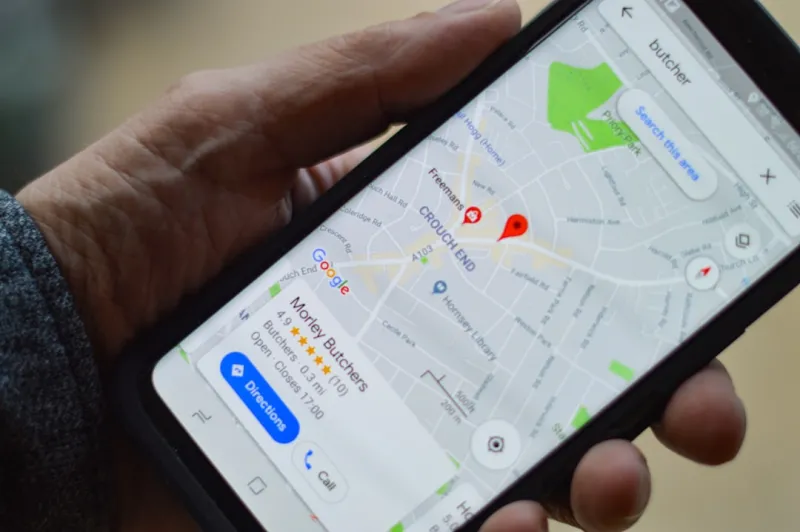
Optimizing for Local Search: A Comprehensive Guide to Local SEO
Discover the importance of local SEO and learn how to optimize your online presence to attract more ... Read More
Top Posts

Link Building Meets Certification: Turning Credential Programs into Authority Assets
Certification programs are a powerful, untapped link‑building strategy for SaaS marketers. By designing rigorous credentials, showcasing alumni success, and p...Read More

Revolutionizing Your Social Media Strategy: A Comprehensive Guide to Success
Learn how to create a social media strategy that drives real results for your business with our expert guide, covering key elements such as audience understandi...Read More

On‑Page SEO 2026: Dale’s Human‑Centric Playbook
In 2026, on‑page SEO isn’t just about keywords—it’s about crafting experiences that satisfy users and search engines alike. Dale Peterson shares his hum...Read More

The Everlasting Magic of Collectible Toys
Collectible toys have a way of captivating people of all ages. Learn about the history, evolution, and community of collectors in this article by Seth Samual....Read More
0 Comments
Post Comment
You will need to Login or Register to comment on this post!