
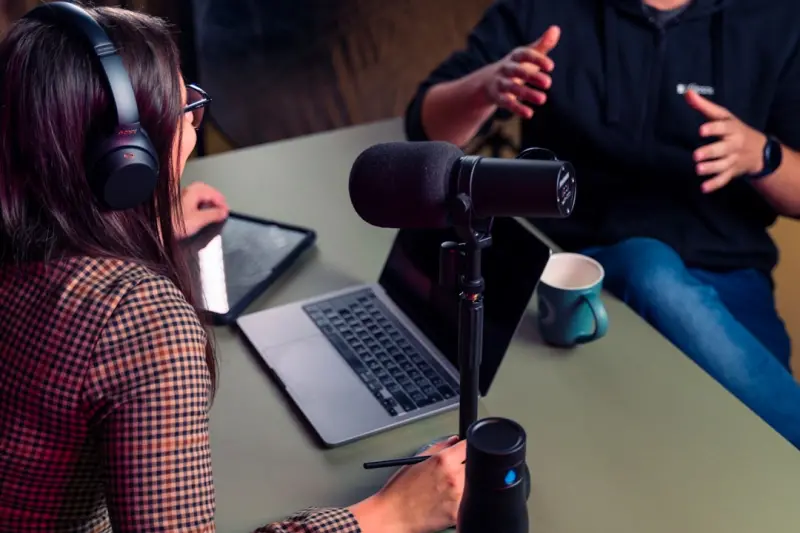
Why Audio Needs Its Own SEO Playbook
When I first launched a series of niche podcasts, I assumed the usual keyword research and backlink tactics would automatically lift the episodes in Google’s radar. What I quickly discovered is that audio lives in a parallel search ecosystem—Apple Podcasts, Spotify, Google Podcasts, and even YouTube’s audio‑only uploads—each with its own ranking signals and discovery quirks. Optimizing for the spoken word means treating your episode like a mini‑website, complete with schema, transcriptions, and strategically crafted metadata, otherwise you’re leaving a massive audience vacuum.
Transcriptions: Turning Sound into Indexable Gold
The single most effective SEO lever for any podcast is a high‑quality, searchable transcript that Google can crawl as pure text. I always start by running a reliable speech‑to‑text engine, then hand‑edit for accuracy—especially brand names and industry jargon that machines misinterpret. Once polished, embed the transcript directly beneath the audio player, wrap it in <section> tags, and sprinkle your primary keyword naturally throughout; this not only boosts on‑page relevance but also creates a rich source for internal linking and snippet opportunities.
Show Notes as Mini‑Landing Pages
Think of each episode’s show notes as a dedicated landing page that can rank on its own, targeting long‑tail phrases that listeners type into search bars. I structure them with a compelling headline, a concise summary loaded with the episode’s core keyword, and a bullet‑point list of key takeaways—each bullet is a chance to insert a secondary keyword or question phrase. Adding deep‑dive SEO tactics like internal linking to related blog posts amplifies authority and signals to search engines that this content is part of a broader topical cluster.
Schema Markup: Tell Search Engines What You’re Saying
While most SEOs focus on JSON‑LD for articles and products, the PodcastEpisode schema is a hidden gem that can surface your audio in rich results, including the coveted “Listen” button directly in SERPs. I recommend adding both the PodcastSeries and PodcastEpisode objects, populating fields like duration, datePublished, and description with keyword‑rich text. Don’t forget the potentialAction property to enable voice assistants to play the episode on command—this bridges the gap between traditional SEO and emerging voice search trends.
Chapter Markers & Time Stamps: Enhancing User Experience & Crawlability
Listeners love being able to jump to the exact moment they care about, and search engines love granular data they can index. By adding chapter markers in the audio file’s metadata and mirroring them as timestamped headings in the show notes, you create multiple “anchor points” that Google can surface as sitelinks or featured snippets. I embed these timestamps using <h3> tags for each major segment, then link them to the corresponding audio cue with an id attribute—this dual approach satisfies both user intent and crawler efficiency.
Distribution Channels: Optimize Every Platform Separately
Each podcast directory has its own algorithmic preferences, so a one‑size‑fits‑all upload strategy rarely works. On Apple Podcasts, the episode title and subtitle carry heavy weight, while Spotify leans on the episode description and user engagement metrics. I create platform‑specific meta fields: a punchy 30‑character title for Apple, a keyword‑rich 150‑character description for Spotify, and a concise yet compelling blurb for Google Podcasts that includes a call‑to‑action linking back to the full show notes.
Leveraging Existing Content: Repurpose & Amplify
To stretch the SEO value of a single episode, I turn its core ideas into multiple content formats—blog posts, infographics, slide decks, and even short‑form videos. The visual search strategies used for images can be adapted to create eye‑catching episode thumbnails that rank in Google Images, driving additional traffic back to the audio. By cross‑linking these repurposed assets to the original show notes, you build a dense internal link web that signals depth and relevance to search engines.
Metrics That Matter: Beyond Downloads
Traditional podcast KPIs like download counts are valuable, but they don’t tell the whole SEO story. I monitor organic impressions, click‑through rates from SERPs, average time on page for the transcript, and the number of inbound links to the show notes—all of which influence rankings. Setting up Google Search Console to track “Search Appearance” for the PodcastEpisode schema alerts you to any indexing issues, while a regular audit of bounce rate and scroll depth reveals whether the content truly satisfies user intent, allowing you to iterate and refine your audio SEO strategy continuously.

Related Posts

Embracing the Evolution of SEO: Strategies for Success in a Changing Landscape
Stay ahead of the curve with the latest SEO trends and strategies. Learn how to optimize your websit... Read More

Daily SEO Hygiene Checklist for SaaS Teams
Discover a step‑by‑step daily routine that SaaS teams can adopt to maintain crawl budget, refres... Read More

The Secret Sauce Behind High‑Converting SaaS Pricing Pages
Discover how to transform your SaaS pricing page into a search‑friendly, high‑converting asset w... Read More
Top Posts

From Listening to Loyalty: Turning Social Conversations into Strategic Growth
Learn to harness social listening, micro‑communities, and audio spaces to drive product innovation and measurable growth, turning everyday chatter into strate...Read More
Link Building Strategies That Scale SaaS Authority
A fresh, data‑centric playbook for SaaS marketers: map influence ecosystems, craft high‑value assets, personalize outreach, and turn links into strategic pa...Read More

The Tiered Social Media Funnel: From Followers to Brand Advocates
A practical guide to building a tiered social media funnel, leveraging existing assets, and applying personalization at scale to move prospects from awareness t...Read More

Beyond the Fold: Mobile SEO Tactics That Drive B2B Conversions
Mobile users now dominate B2B search, and every extra second of load time costs a lead. This post reveals actionable mobile‑first SEO tactics—from structure...Read More
0 Comments
Post Comment
You will need to Login or Register to comment on this post!