

Why Multi‑Language On‑Page SEO Isn’t Just Translation
When I first started scaling a SaaS product into new markets, the instinctive answer was simple: throw the English copy into Google Translate, swap the lang attribute, and call it a day. The traffic spike was short‑lived, the bounce rates climbed, and the rankings evaporated. The lesson? On‑page SEO for multi‑language sites is a disciplined choreography of relevance, authority, and user intent—not a blind lift‑and‑shift.
The Core Dilemma: Authority vs. Localization
Search engines treat each language‑region combination as a semi‑independent property. A page in en‑US builds authority based on backlinks, user engagement, and content depth. Replicate that page for fr‑FR without a strategic plan, and you risk diluting the original authority while offering little value to French‑speaking users. The challenge is to preserve the SEO equity you’ve earned and simultaneously craft a localized experience that satisfies both users and crawlers.
Step 1: Conduct a Global Intent Audit
Before you write a single line of translated copy, map the search intent landscape for each target market. Use the same methodology you’d apply to a single‑language content audit, but layer on country‑specific keyword clusters. Here’s a quick framework:
- Seed Intent Identification – Start with the primary product keywords you rank for in English.
- Local Search Modifiers – Add region‑specific terms (e.g., “démo” vs. “demo”, “gratuit” vs. “free”).
- Competitive Gap Analysis – Identify local competitors outranking you and note the content gaps you can fill.
- Search Volume Validation – Use Google’s Keyword Planner or Ahrefs for each locale to confirm demand.
The output is a global intent matrix that tells you which pages deserve a full‑fledged translation, which can be consolidated, and where you need to create entirely new content.
Step 2: Architect a Hreflang‑Ready Site Structure
There are three primary ways to serve multilingual content:
- Separate ccTLDs (e.g.,
example.fr) – Ideal for strong brand presence but expensive to maintain. - Subdomains (e.g.,
fr.example.com) – Offers a balance between authority inheritance and geographic targeting. - Subfolders (e.g.,
example.com/fr/) – The most cost‑effective and often easiest to manage for SaaS platforms.
Regardless of the choice, implement hreflang tags on every page to signal language and regional targeting to Google. A common pitfall is missing the default x-default tag, which helps Google serve the right version to users whose language isn’t explicitly covered. Here’s a snippet for a French page:
<link rel="alternate" hreflang="en-us" href="https://example.com/en-us/features" />
<link rel="alternate" hreflang="fr-fr" href="https://example.com/fr-fr/features" />
<link rel="alternate" hreflang="x-default" href="https://example.com/" />
Don’t forget to include these tags in your XML sitemap as well – it’s a double‑confirmation that search engines love.
Step 3: Leverage Semantic HTML & Accessibility for Every Locale
One of the most under‑utilized levers in multilingual SEO is proper semantic markup. When you build a page that’s both machine‑readable and accessible, you give search engines clearer signals about the content hierarchy, regardless of language.
For instance, Semantic HTML & Accessibility ensures that heading tags (h1‑h6) reflect the logical flow of ideas, ARIA labels are localized, and image alt text is translated with contextual relevance. This practice reduces the chance of a French page being misinterpreted as duplicate content because the structural cues differ from the English version.
Key actions:
- Wrap each language’s primary headline in an
h1with a language‑specificlangattribute. - Use
role="navigation"andaria-labelthat are fully localized (e.g., “Navigation principale”). - Provide localized
altattributes that describe images in cultural context, not just literal translation.
Step 4: Optimize Meta Elements for Local Search Signals
Meta titles and descriptions are the first touchpoint for searchers. A direct translation often fails to capture local search habits. Follow these guidelines:
- Keyword Placement – Insert the primary local keyword near the beginning of the title.
- Character Limits – Remember that French titles may require fewer characters due to longer words.
- Compelling Call‑to‑Action – Tailor verbs to cultural expectations (“Essayez gratuitement” vs. “Get a free trial”).
- Local Brand Mention – If your SaaS has a localized brand name or partner, include it.
Example – English title: “Project Management Software for Remote Teams”. French translation: “Logiciel de gestion de projet pour équipes à distance”. Notice the shift from “Remote Teams” to “équipes à distance,” a phrase that matches French search patterns.
Step 5: Duplicate Content Management with Canonicals
Even with hreflang tags, there’s a risk of Google seeing translated pages as duplicate content. The safe play is to set a self‑referencing canonical on each localized page. Do not point the French page’s canonical back to the English source; that would tell Google the English page is the definitive version, suppressing the French page’s rankings.
Instead, each page should have its own canonical URL:
<link rel="canonical" href="https://example.com/fr-fr/features" />
This approach signals that while the content is related, each version is unique and deserving of its own ranking potential.
Step 6: Structured Data – Speak the Same Language as Google
Rich snippets are language‑agnostic, but the schema markup must be localized. Whether you’re using FAQPage, HowTo, or Product schemas, the name and description fields should be in the page’s target language. Google will surface the correct language in SERPs if the markup matches the page language.
Read more about the power of this approach in Structured Data. A quick tip: if you’re using JSON‑LD, wrap the entire script in a lang attribute, e.g., {"@context":"https://schema.org","@type":"FAQPage","inLanguage":"fr-FR",…}. This tiny addition tells Google you’re delivering French FAQs, not just a generic English version.
Step 7: Content Freshness and Localization Cadence
Search engines reward regularly updated content. For multilingual SaaS sites, treat each locale as its own editorial calendar. Align product releases, feature announcements, and case studies with the local market’s news cycles. This practice ensures that a French blog post about a new integration goes live simultaneously with the English version, avoiding “late‑to‑the‑party” penalties.
Implement a CMS workflow that:
- Triggers a translation request as soon as a new English page is published.
- Assigns a localized reviewer to verify cultural relevance and SEO compliance.
- Publishes the translated page with a coordinated launch date.
Step 8: Internal Linking Strategy That Preserves Link Juice
Internal links are the highways that pass authority from high‑traffic pages to newer ones. In a multilingual setup, you have two options:
- Cross‑Locale Linking – Link from the English version to its French counterpart (and vice versa) using
hreflang‑aware anchor text like “Voir la version française”. This reinforces the relationship without splitting link equity. - Locale‑Specific Linking – Keep internal navigation language‑consistent, so French users only see French links. This improves user experience and reduces bounce.
Whichever approach you choose, maintain a consistent hierarchy. For instance, a “Features” page in every locale should point to its respective “Pricing” page, not a mixed‑language version.
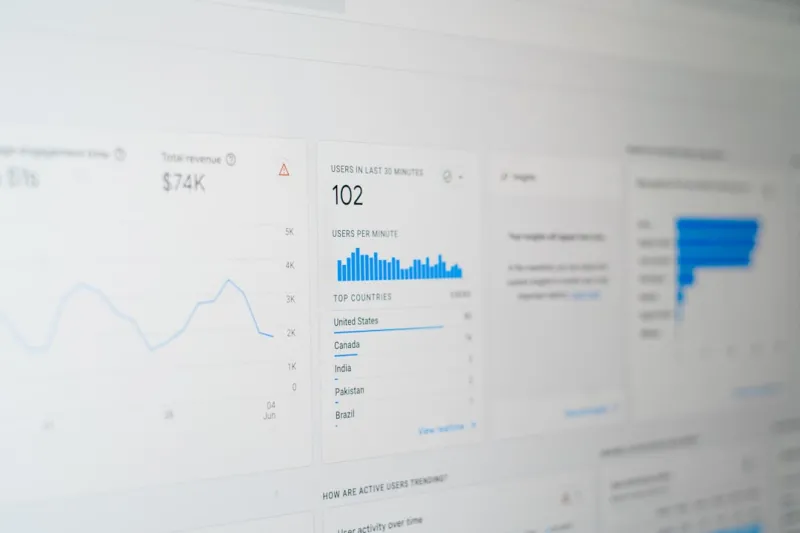
Step 9: Measure Success with a Multi‑Dimensional Dashboard
Traditional SEO dashboards aggregate traffic by domain, obscuring language‑specific performance. Build a reporting layer that surfaces:
- Organic sessions per locale.
- Average position for top localized keywords.
- Conversion rates (e.g., free‑trial sign‑ups) per language.
- Engagement metrics like dwell time and bounce rate.
When you see a dip in French conversions, drill down to identify whether it’s a UX issue, a translation error, or a missing schema markup. The data‑driven loop is crucial for continuous optimization.
Step 10: Future‑Proof Your Multilingual On‑Page SEO
Google’s algorithm is evolving toward a more holistic understanding of user intent, regardless of language. To stay ahead:
- Invest in machine‑learning‑enhanced translation tools that can adapt to brand tone while preserving SEO nuance.
- Monitor Core Web Vitals per locale; latency can differ across regions due to CDN performance.
- Adopt progressive web app (PWA) techniques for faster page loads, especially on mobile‑first markets.
- Stay updated on multimodal search—voice queries in different languages require conversational content structures.
By treating each language version as a first‑class citizen in your SEO strategy, you’ll not only protect your existing authority but also unlock new growth corridors that many SaaS competitors overlook.
Wrapping Up: The Playbook in a Nutshell
Scaling on‑page SEO across languages is a blend of technical precision, linguistic insight, and strategic content planning. Remember these takeaways:
- Start with a global intent audit—don’t assume English intent translates directly.
- Choose a site architecture that supports clean
hreflangimplementation. - Leverage semantic HTML and localized schema to speak the same language as search engines.
- Maintain separate canonical URLs and internal linking structures per locale.
- Track performance with language‑specific KPIs and iterate based on data.
When you align user intent, technical signals, and cultural relevance, your SaaS platform can dominate search across borders without sacrificing the authority you worked hard to build.

Related Posts

Semantic Clustering: The Next Evolution of On‑Page SEO
Learn why grouping related concepts into semantic clusters outperforms traditional keyword lists, an... Read More

Beyond Keywords: Crafting Semantic On‑Page Experiences
Discover a fresh on‑page SEO strategy that goes beyond keywords, focusing on semantic markup, stru... Read More

Beyond Keywords: Crafting an On‑Page Experience That Google Loves
Learn fresh on‑page SEO tactics—speed, mobile design, content freshness, structured data, and in... Read More
Top Posts
Local SEO Trends to Watch in 2023
Stay ahead of the competition with the latest local SEO trends and strategies. Learn how to optimize your website, build high-quality links, and dominate your l...Read More

Micro‑Moment Mastery: Real‑Time On‑Page SEO for the Modern User
Discover a fresh on‑page SEO framework that aligns content with instant user intent, using contextual relevance, adaptive signals, and interactive cues to boo...Read More

Beyond Plastic: How Subscription Boxes and AR Toys Are Redefining Modern Play
Discover how curated toy subscriptions and AR‑powered playsets are transforming how kids learn, connect, and stay engaged, all while championing sustainabilit...Read More

Boost Your LinkedIn Personal Brand with Proven SEO Techniques
Treat your LinkedIn profile like a searchable landing page: optimize headlines, summaries, experience bullets, and featured content with intent‑driven keyword...Read More
0 Comments
Post Comment
You will need to Login or Register to comment on this post!