

Why Semantic SEO Is the Missing Link in Your SaaS Growth Strategy
When I first dove into the world of SaaS marketing, the mantra was simple: “Rank for the right keywords.” Fast forward a few campaigns, and I realized that keyword stuffing and isolated page optimization are relics of a bygone era. Today, search engines are less about matching strings of text and more about understanding meaning—the relationships between concepts, the intent behind queries, and the context in which users ask them.
Welcome to the era of semantic SEO. In this post I’ll walk you through a practical, step‑by‑step playbook that transforms a flat list of keywords into a living, breathing knowledge graph that Google (and other engines) can crawl, index, and reward.
The Core Idea: From Keywords to Topics
Traditional SEO treats each keyword as an isolated target. You write a page about “customer onboarding software,” sprinkle the phrase, and hope for the best. Semantic SEO flips that script:
- Topic clusters become the unit of optimization.
- Each cluster is anchored by a pillar page that provides a comprehensive overview.
- Supporting cluster content dives deep into sub‑topics, linking back to the pillar.
This structure signals to Google that you own an entire topic domain, not just a handful of keywords. It also mirrors how real users think—starting with a broad question and drilling down into specifics.
Step 1: Map Your Business Objectives to Search Intent
Before you even open a keyword tool, write down the top three business outcomes you want from SEO. For a SaaS company, they often look like:
- Generate high‑quality trial sign‑ups.
- Drive organic traffic to the pricing page.
- Increase brand authority in a niche vertical.
Next, translate each outcome into the underlying search intent:
- Informational: “What is customer success automation?”
- Navigational: “SaaS trial dashboard demo.”
- Transactional: “Buy user‑behavior analytics SaaS.”
By anchoring your SEO effort to intent, you avoid the trap of chasing vanity keywords that never convert.
Step 2: Build a Semantic Keyword Atlas
Use a combination of tools (Google Keyword Planner, Ahrefs, and AI‑driven semantic explorers) to generate a broad list of terms that revolve around each intent bucket. The key is to capture not just exact matches but also:
- Synonyms and variations (e.g., “user onboarding” vs. “customer onboarding”).
- Related entities (e.g., “NPS score”, “churn rate”).
- Long‑tail questions that appear in passage ranking snippets.
Once you have a raw list, cluster them manually or with a clustering algorithm into logical groups. Each group will become a topic cluster.
Step 3: Design Pillar Pages That Serve as Knowledge Hubs
Your pillar page is the flagship for a topic. It should:
- Answer the core question in a concise, well‑structured format.
- Include a table of contents that links to each sub‑topic.
- Feature schema markup for
FAQPageandArticleto boost visibility in rich results. - Leverage the intent‑first page templates philosophy: the page must satisfy the exact searcher intent before anything else.
Think of the pillar as a mini‑website within your site—a central hub that Google can crawl thoroughly and users can skim for a quick answer or dive deeper into a specific sub‑topic.
Step 4: Craft Cluster Content That Feeds the Pillar
Each cluster article should:
- Target a specific long‑tail query from your semantic atlas.
- Provide in‑depth, original analysis—avoid rehashing Wikipedia.
- Include at least three internal links back to the pillar and, where appropriate, to other cluster articles.
- Use structured data to highlight key facts, such as pricing tables or product feature lists.
When done correctly, the internal linking web creates a semantic signal that tells search engines the pillar page is the authority on that topic.
Step 5: Optimize for Entity Recognition and Knowledge Graphs
Search engines now recognize entities—people, brands, products, and concepts—as distinct items. To tap into this:
- Identify the core entities in your SaaS niche (e.g., “customer success platform”, “API integration”).
- Include
Schema.orgmarkup for each entity on relevant pages. - Use canonical URLs to avoid duplicate content when multiple pages discuss the same entity.
- Encourage external sites to reference your content as a source; this builds entity authority in the eyes of Google.
Step 6: Leverage AI‑Generated FAQs for Evergreen Traffic
One of the most underrated tactics for semantic SEO is a dynamic FAQ section. Here’s how to make it work:
- Run a quarterly audit of “People also ask” results for your pillar topics.
- Use a generative AI model to draft concise, accurate answers (always fact‑check).
- Implement
FAQPageschema so each question can appear directly in SERPs. - Refresh the FAQ whenever a new feature or industry trend emerges—Google rewards freshness.
This approach creates a living document that grows with your product and the market, keeping you relevant without a full page rewrite.
Step 7: Measure Semantic Success, Not Just Rankings
Traditional SEO reporting focuses on keyword positions. For semantic SEO, shift the KPIs to:
- Topic Authority Score: A composite metric that weighs organic traffic, click‑through rate, and the number of ranking snippets for a pillar.
- Intent Fulfillment Rate: Percentage of visitors who complete a desired action (e.g., trial sign‑up) after landing on a cluster page.
- Entity Visibility: Frequency of your branded entities appearing in knowledge panels or related searches.
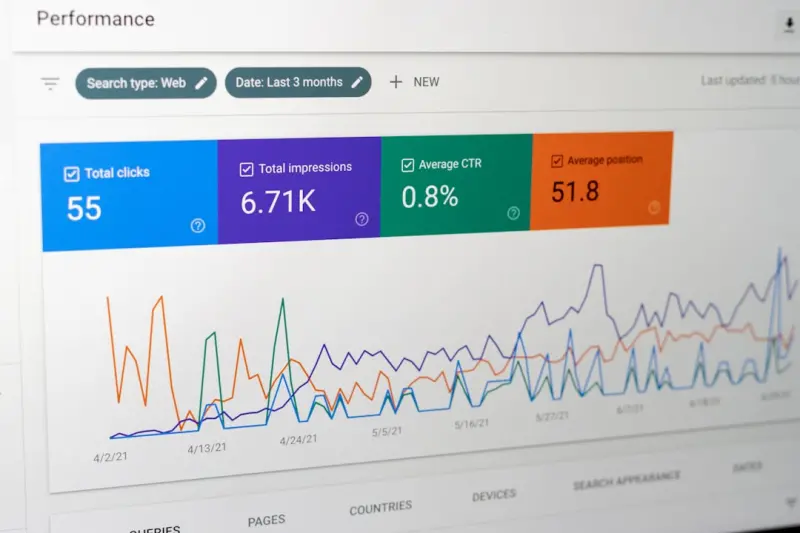
Tools like Google Search Console’s “Performance” report, combined with custom dashboards in Looker or Tableau, can surface these insights.
Step 8: Iterate with Real‑Time Experiments
Semantic SEO is not a “set‑and‑forget” strategy. Treat each pillar and its clusters as a real‑time experiment lab:
- Run A/B tests on heading structures, schema implementation, and internal link density.
- Monitor changes in click‑through and dwell time—these micro‑signals indicate how well Google interprets your semantic intent.
- Document results, adjust your semantic atlas, and roll successful tweaks across other topics.
When you embed a culture of experimentation, your SEO program becomes as agile as your product development pipeline.
Common Pitfalls and How to Avoid Them
Even with a solid plan, teams stumble. Here are the most frequent missteps:
- Over‑clustering: Creating too many tiny clusters dilutes authority. Aim for 5‑8 sub‑topics per pillar.
- Neglecting User Intent: If your content solves the wrong problem, rankings won’t translate to conversions.
- Skipping Schema: Without structured data, you lose the chance to appear in rich results that drive higher CTR.
- One‑Way Linking: Internal links should flow both ways—cluster pages should link back to the pillar and to each other where relevant.
- Stale Content: Regularly audit and update both pillar and cluster pages to reflect product changes and market shifts.
Putting It All Together: A Sample Semantic SEO Blueprint
Let’s illustrate with a fictional SaaS that offers “customer success automation.”
- Business Goal: Increase trial sign‑ups by 25%.
- Core Intent: Informational & transactional queries around “customer success automation”.
- Keyword Atlas: “customer onboarding automation”, “reduce churn with AI”, “customer success metrics dashboard”.
- Pillar Page: “The Ultimate Guide to Customer Success Automation”. Includes FAQ schema, a video overview, and links to six cluster articles.
- Cluster Articles:
- “How AI Predicts Churn Before It Happens”.
- “Step‑by‑Step Onboarding Automation for SaaS Teams”.
- “Measuring Customer Health Scores: A Practical Framework”.
- “Integrating Your CRM with Customer Success Automation”.
- “Pricing Models for Customer Success Platforms”.
- “Case Studies: Companies That Cut Churn by 30%”.
- Schema: Apply
Product,FAQPage, andHowTomarkup where appropriate. - Internal Linking: Each cluster links back to the pillar and to two other clusters that share a logical flow.
- Metrics: Track Topic Authority Score, Intent Fulfillment Rate, and Entity Visibility over a 90‑day period.
When you roll out this blueprint, you’ll likely see a surge in organic impressions, higher CTRs from rich snippets, and—most importantly—more qualified trial users entering your funnel.
Final Thoughts: The Future Is Semantic, Not Silly
Search engines are getting smarter, and they’re rewarding sites that think like humans. By shifting from isolated keywords to interconnected topics, you align your SEO with the way people research, compare, and decide. The payoff isn’t just higher rankings; it’s a sustainable flow of qualified leads that understand your product before they ever see a sales deck.
If you’ve been stuck in the old keyword‑centric mindset, it’s time to re‑architect your content around meaning. The tools are here, the methodology is proven, and the competitive advantage is yours for the taking.

Related Posts
Crawl Budget Mastery: The SaaS SEO Hygiene Routine You Can’t Ignore
A practical guide for SaaS marketers on managing crawl budget, streamlining site architecture, and t... Read More

The Power of Local SEO: A Comprehensive Guide to Success
Learn how to enhance your online presence with local SEO strategies. Discover the benefits, optimiza... Read More

SEO for SaaS Support Portals: Turning Help Docs into Traffic Magnets
Optimizing a SaaS support portal can unlock high‑intent traffic, improve search visibility, and re... Read More
Top Posts

Modular Content Creation: Turning One Idea into a Multi‑Channel Engine
Discover a modular approach to content creation that transforms a single deep‑dive into a suite of platform‑specific pieces, maximizing impact while saving ...Read More

Local Voice Search: Turning Neighborhood Conversations into Customers
Learn a fresh approach to local SEO by optimizing for voice queries, leveraging community ties, and using structured data to turn everyday conversations into fo...Read More

Unlocking LinkedIn’s Hidden Search Signals for B2B SaaS Leaders
Learn a step‑by‑step strategy to turn LinkedIn into a searchable, lead‑generating asset for SaaS companies, covering profile optimization, content formats...Read More

Performance‑First SEO: Turning WordPress Speed Into Ranking Power
A deep dive into performance‑first SEO for WordPress, covering Core Web Vitals, server optimization, image strategies, and edge computing to transform site sp...Read More
0 Comments
Post Comment
You will need to Login or Register to comment on this post!