

Why One‑Shot Ads Are Losing Their Edge
When I first stepped into the world of B2B SaaS advertising, the playbook was simple: craft a punchy headline, attach a glossy image, and throw a single call‑to‑action at the audience. That approach still works for brand awareness, but when it comes to turning prospects into paying customers, the “one‑shot” ad has hit a glass ceiling.
Modern buyers are inundated with noise on every platform—LinkedIn, X, Instagram, TikTok. They scroll past a static banner the same way they skim a billboard on the highway: briefly, then move on. The secret to breaking through isn’t louder messaging; it’s a narrative that unfolds over time, meeting the prospect where they are in their buying journey.
Enter Sequential Storytelling
Sequential storytelling is the practice of delivering a series of inter‑linked ad creatives that together tell a cohesive, purposeful story. Think of it as a mini‑serial that guides a prospect from curiosity to consideration, and finally to action—without ever feeling like a hard sell.
Unlike a single‑image ad, each piece in a sequence has a distinct purpose:
- Hook. Capture attention with a bold premise or relatable pain point.
- Context. Offer data, anecdotes, or a quick demo that deepens the problem’s relevance.
- Solution. Introduce your SaaS product as the logical answer, using tangible outcomes.
- Social Proof. Highlight case studies, testimonials, or user‑generated moments that validate the claim.
- Call‑to‑Action. Drive the prospect toward a low‑friction step—free trial, demo request, or content download.
By pacing these elements across multiple ad placements, you give the platform time to learn, the prospect time to absorb, and your brand the space to build trust.
Mapping the Buyer’s Journey to Ad Sequences
Before you build a sequence, you need to understand the exact stage each prospect occupies. For SaaS, the journey usually follows these phases: Awareness → Exploration → Evaluation → Decision. Each phase calls for a different creative tone and objective.
- Awareness. Use curiosity‑driven copy (“What if you could cut onboarding time in half?”) paired with eye‑catching visuals. The goal is to get the algorithm to show the ad to a broader, interest‑based audience.
- Exploration. Offer a short video or carousel that dives deeper into the pain point, perhaps with a quick statistic (“90% of teams lose 2‑3 hours per week on manual reporting.”).
- Evaluation. Present a product demo snippet, a comparison chart, or a testimonial that shows real ROI.
- Decision. Push a limited‑time incentive—free onboarding, a discount, or a personalized strategy session.
By aligning each ad in the sequence with the buyer’s mental state, you increase relevance scores, lower cost‑per‑click, and, most importantly, guide prospects naturally toward conversion.
Creative Tactics That Make Sequences Stick
Now that the framework is clear, let’s dig into the creative details that make each step compelling.
1. Hook with a “Story‑First” Visual
Instead of a generic product screenshot, start with a visual that illustrates the problem. For a project‑management SaaS, that could be a chaotic whiteboard overflowing with sticky notes. Use bold colors and minimal text to let the image speak.
2. Leverage Data‑Driven Mini‑Infographics
In the second ad, transform a key metric into a bite‑size infographic. Keep it simple: one headline, a single chart, and a sub‑headline that reinforces the hook. This not only educates but also signals that your brand is data‑savvy—a trait that resonates strongly in the B2B space.
3. Show, Don’t Just Tell
Video snippets of 5‑10 seconds perform exceptionally well on LinkedIn and X when they illustrate a specific feature in action. Use captions, because many users watch without sound. Pair the demo with a brief, human‑centric voiceover that frames the feature as a solution to the previously highlighted problem.
4. Insert Social Proof Early
Don’t wait until the final ad to sprinkle testimonials. A mid‑sequence carousel featuring a real customer quote, their logo, and a quantifiable result (“Reduced churn by 15% in 30 days”) builds credibility while the prospect is still warming up.
5. End With a Micro‑Commitment
Instead of a hard sell (“Buy now!”), ask for a micro‑commitment: “Download a one‑page ROI calculator” or “Schedule a 15‑minute strategy chat.” The lower the barrier, the higher the response rate, especially when the prospect has already been nurtured through the previous steps.
Technical Setup: How to Build a Sequence in Meta’s Ad Manager
Most platforms—Meta, LinkedIn, X—support “ad sets” that can be retargeted based on previous ad interactions. Here’s a quick step‑by‑step for Meta:
- Create a campaign with the objective “Conversions.”
- Within the campaign, set up five ad sets, each representing a step in the sequence.
- Use “Custom Audiences” to retarget users who engaged with the previous ad (e.g., clicked, viewed 75% of video).
- Allocate a modest budget to the first ad set; as the funnel narrows, shift spend to the later sets where conversion intent is higher.
- Activate “Frequency Caps” to avoid ad fatigue—typically 2‑3 impressions per user per week.
Remember to enable “Dynamic Creative” so the platform can automatically test variations of headlines, images, and CTAs within each ad set. This data feeds your optimization loop, ensuring the strongest creative wins at every stage.
Data‑Driven Optimization: What to Measure
Sequential storytelling isn’t a set‑and‑forget tactic. The true power lies in the granular data each step generates. Focus on these metrics:
- View‑Through Rate (VTR). For video ads, a high VTR on the hook indicates strong initial interest.
- Click‑Through Rate (CTR). A rising CTR through the sequence shows that the narrative is resonating.
- Cost per Lead (CPL). Track CPL per ad set; a drop in CPL for later steps confirms that nurturing is effective.
- Engagement Time. On carousel or infographic ads, measure how long users linger on each card.
- Conversion Path Attribution. Use UTM parameters to map which ad in the sequence contributed most to the final conversion.
When a particular step underperforms, iterate quickly—swap the visual, tweak the copy, or adjust the targeting. The modular nature of sequential ads makes it easy to test without disrupting the entire funnel.
Integrating Employee Advocacy for Authenticity
One of the most overlooked assets in a SaaS brand’s ad arsenal is the authentic voice of its employees. When you combine sequential storytelling with employee‑generated content, you inject a level of trust that no polished brand video can match.
Here’s how to do it:
- Identify employees who are passionate about a particular feature or success story.
- Equip them with a short brief—key talking points, brand guidelines, and a CTA.
- Capture a raw, 15‑second clip (think “day‑in‑the‑life” style) and slot it into the “Solution” or “Social Proof” step of the sequence.
- Boost the employee’s post through paid promotion, ensuring the audience sees a real person behind the product.
This tactic not only humanizes the brand but also leverages the organic reach of the employee’s network, extending the sequence’s impact beyond the paid audience.
Privacy‑First Targeting in a Cookie‑Less World
With increasing privacy regulations, relying solely on third‑party cookies is no longer viable. Sequential storytelling actually thrives under a privacy‑first approach because each step builds on user‑initiated engagement, not inferred data.
Use platform‑native signals—post engagement, video views, and page visits—to create first‑party audiences. Pair this with contextual targeting (industry, job title, company size) to keep your reach precise without over‑stepping privacy boundaries.
By respecting user privacy and letting the prospect opt‑in to the next ad in the sequence, you build goodwill that translates into higher conversion rates and better brand perception.
Case Study: From 0.8% to 4.2% Conversion Rate in 90 Days
One of our SaaS clients—an AI‑driven analytics platform—was struggling with a flat 0.8% conversion rate on their LinkedIn single‑image ads. We introduced a five‑step sequential story:
- Hook: “Your team spends 12 hours a week on manual data wrangling.”
- Context: An animated carousel showing the hidden cost of manual processes.
- Solution: A 10‑second demo of the AI dashboard auto‑generating insights.
- Social Proof: A short testimonial from a Fortune 500 client, featuring the client’s own data.
- CTA: “Book a 15‑minute ROI call.”
Result: Within 90 days, the conversion rate climbed to 4.2%, CPL dropped by 35%, and the client’s sales team reported a higher‑quality pipeline. The sequential format allowed the platform’s algorithm to learn which storytelling elements resonated most, automatically optimizing delivery.
Putting It All Together: A Quick Checklist
- Define the buyer’s journey stages you’ll target.
- Sketch a 5‑step narrative arc (hook → context → solution → proof → CTA).
- Produce distinct creative assets for each step (visual, copy, format).
- Set up retargeting audiences based on interaction with the previous step.
- Allocate budget strategically—lighter spend early, heavier spend on conversion‑focused steps.
- Implement privacy‑compliant targeting (first‑party data, contextual filters).
- Leverage employee advocacy to boost authenticity.
- Monitor VTR, CTR, CPL, engagement time, and attribution; iterate weekly.
Next Steps for Your Team
If you’re ready to upgrade your social media ad game, start small. Pick a single campaign, map out a three‑step sequence, and launch it on the platform where your audience is most active. Track the metrics, refine the creative, and then scale to a full five‑step narrative.
Remember, the goal isn’t just to “sell”—it’s to tell a story that resonates, educates, and guides the prospect to the next logical step. When you master sequential storytelling, your ads become less of a disruption and more of a conversation.
Need a roadmap or want to train your team on building these sequences? Check out our guide on Turning Your Team into a Social Media Powerhouse and dive deeper into aligning your talent with this new ad strategy. For a broader view on how real‑time signals can inform each step, read Social Media Strategy: Turning Real‑Time Customer Signals into Product Wins.

Related Posts
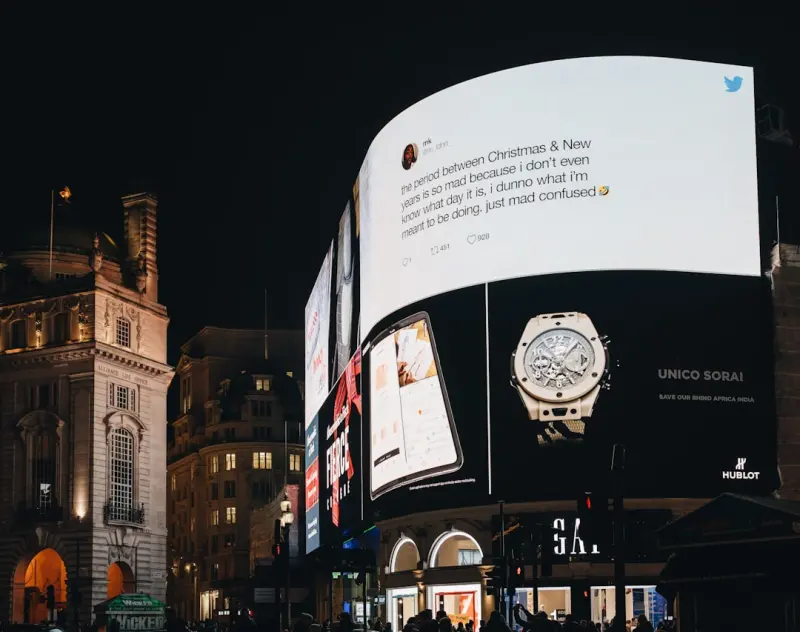
Story‑First Ads: Turning Social Media Campaigns into Mini‑Narratives for SaaS
A story‑first mindset transforms fragmented ad experiences into cohesive narratives, driving deepe... Read More

Privacy‑First Social Media Advertising: Winning in a Cookieless World
A practical guide for SaaS marketers on creating privacy‑first social media ads, leveraging firstâ... Read More
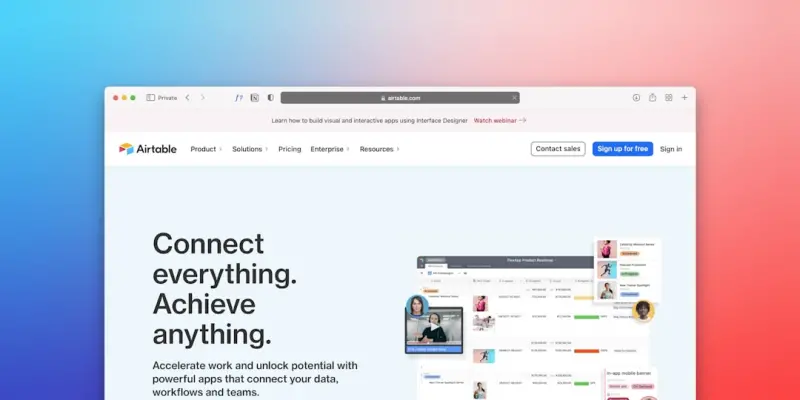
Micro‑Communities: The Untapped Engine for SaaS Social Media Advertising
Learn why small, engaged groups on platforms like Discord and Reddit are the new goldmine for SaaS a... Read More
Top Posts

Beyond the Scroll: Turning Social Media Ads into Real‑World Conversions
A step‑by‑step, data‑driven guide shows how to replace the old “boost post” mindset with revenue‑focused testing, audience micro‑segmentation, and...Read More

Beyond the Bot: Restoring Human Authenticity to B2B Content
In an age where AI writes most of the copy, this post reveals why authenticity is the new competitive advantage and offers a practical workflow to keep your B2B...Read More
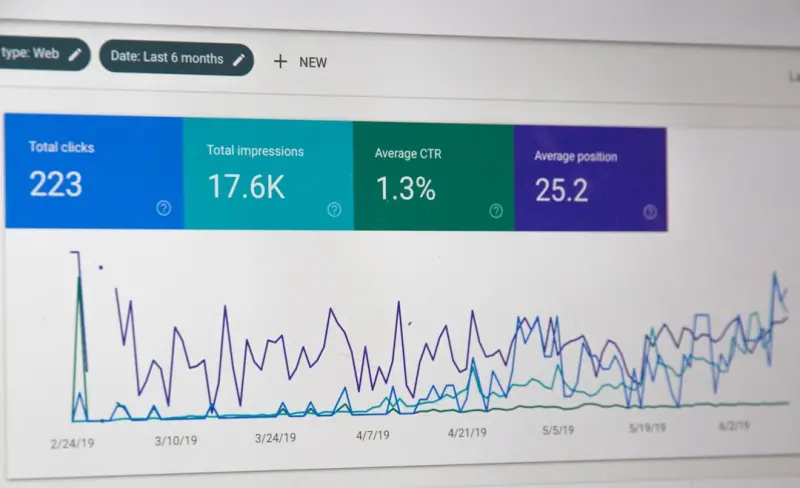
Turning On‑Page SEO Into a Conversion Engine for SaaS
Learn a conversion‑centric approach to on‑page SEO that aligns keyword intent, structured data, and user experience to turn organic clicks into qualified Sa...Read More

Turning User Intent into On‑Page SEO Gold
Discover a fresh on‑page SEO strategy that maps user‑intent clusters to page structure, delivering deeper relevance, higher rankings, and better conversions...Read More
0 Comments
Post Comment
You will need to Login or Register to comment on this post!