

Understanding the Role of Technical SEO in Modern Digital Strategy
The digital landscape has undergone a significant transformation over the past decade, with search engine optimization (SEO) evolving from a basic practice of keyword stuffing and link building to a complex, multifaceted discipline. At the heart of this evolution is technical SEO, a critical component that ensures websites are optimized for search engines to crawl, index, and rank effectively. In this article, we will explore the role of technical SEO in modern digital strategy, its key components, and best practices for implementation.
The Evolution of Technical SEO: A Comprehensive Overview
Technical SEO has come a long way since its inception. Initially, it focused on optimizing website structure, meta tags, and header tags. However, with advancements in search engine algorithms and the increasing complexity of digital ecosystems, technical SEO now encompasses a broader range of practices. These include site speed optimization, mobile-friendliness, SSL encryption, and more. For businesses and digital marketers, understanding these changes is crucial for staying ahead of the curve.
Key Components of Technical SEO
So, what are the key components of technical SEO?
- Website Crawling and Indexing: Ensuring that search engines can easily crawl and index website pages.
- Site Speed Optimization: Improving website loading times to enhance user experience and search engine rankings.
- Mobile-Friendliness: Ensuring that websites are optimized for mobile devices, a critical factor given the majority of users accessing the web through smartphones.
- SSL Encryption: Implementing secure socket layer (SSL) certificates to secure website data and enhance trust with users.
The Impact of Google Algorithms on Technical SEO
Google's algorithms have a significant impact on technical SEO practices. Updates such as Panda, Penguin, and Core Web Vitals have forced digital marketers to rethink their strategies, focusing more on quality content, user experience, and technical optimization. For instance, the introduction of Core Web Vitals as a ranking factor emphasizes the importance of website performance metrics such as loading speed, interactivity, and visual stability.
Optimizing for Voice Search: A Growing Trend
Voice search is becoming increasingly popular, with more users turning to voice assistants like Siri, Alexa, and Google Assistant to find information online. This trend has significant implications for technical SEO, as voice search queries tend to be longer and more conversational. Optimizing for voice search involves using natural language, long-tail keywords, and structured data to improve the chances of appearing in voice search results.
The Future of Technical SEO: Trends to Watch
As we look to the future, several trends are expected to shape the technical SEO landscape.
- Artificial Intelligence (AI): AI is likely to play a more significant role in technical SEO, with search engines using machine learning algorithms to better understand user intent and content relevance.
- Voice Search Optimization: As voice search continues to grow, optimizing for voice search will become increasingly important for businesses and digital marketers.
- Core Web Vitals: Google's Core Web Vitals will continue to influence technical SEO practices, with a focus on delivering exceptional user experiences.
Best Practices for Implementing Technical SEO
Implementing technical SEO best practices is crucial for achieving success in the digital landscape.
- Conduct Regular Audits: Regular website audits can help identify technical issues and areas for improvement.
- Prioritize Mobile-Friendliness: With the majority of users accessing the web through mobile devices, ensuring that websites are mobile-friendly is critical.
- Optimize Website Performance: Improving website loading times and performance metrics can enhance user experience and search engine rankings.
The Intersection of Technical SEO and Content Strategy
Technical SEO and content strategy are closely intertwined. While technical SEO focuses on optimizing website structure and performance, content strategy involves creating high-quality, relevant content that resonates with users. By combining these two disciplines, businesses and digital marketers can create a comprehensive digital strategy that drives engagement, conversions, and revenue.
Revolutionizing Link Building: A Critical Component of Technical SEO
Link building remains a critical component of technical SEO, with high-quality backlinks continuing to influence search engine rankings. However, the way we approach link building is evolving, with a greater emphasis on quality over quantity. By focusing on acquiring high-quality, relevant backlinks, businesses and digital marketers can improve their website's authority and search engine rankings.
Local SEO: A Growing Importance
Local SEO is becoming increasingly important, with more users searching for local businesses and services online. By optimizing for local SEO, businesses can improve their visibility in local search results, drive more foot traffic, and increase conversions. Local SEO best practices include optimizing Google My Business listings, using location-specific keywords, and building high-quality local citations.
Conclusion
In conclusion, technical SEO plays a critical role in modern digital strategy, encompassing a range of practices that ensure websites are optimized for search engines to crawl, index, and rank effectively. By understanding the key components of technical SEO, staying up-to-date with the latest trends and best practices, and combining technical SEO with content strategy, businesses and digital marketers can drive engagement, conversions, and revenue in the digital landscape.

Related Posts
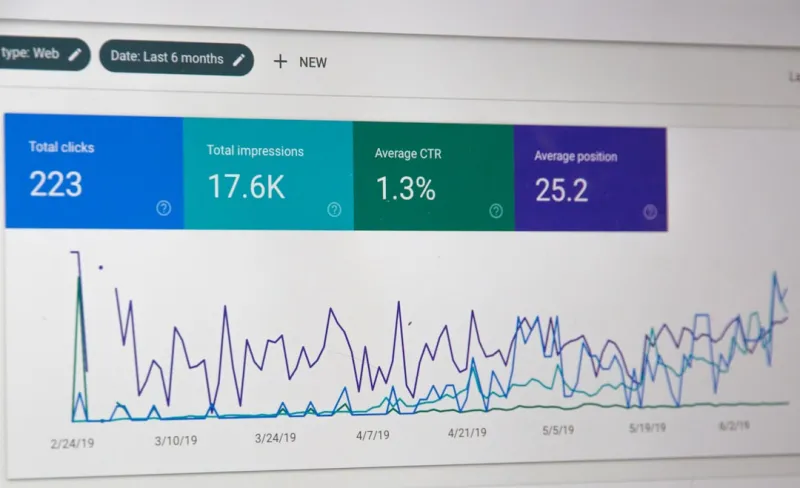
Staying Ahead of the Curve: The Future of SEO and How to Adapt
The world of SEO is constantly evolving. Stay informed about the latest trends and best practices to... Read More
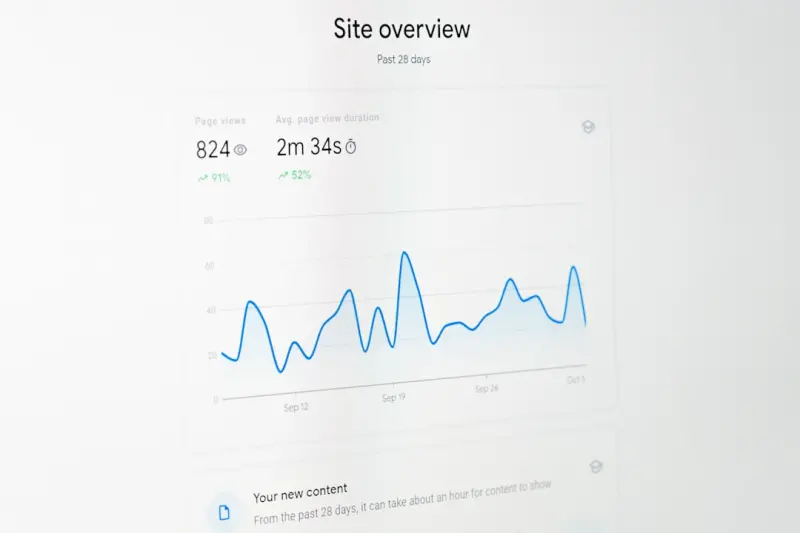
Transform Your Site Search Into a Hidden SEO Engine
Learn to turn your website’s search bar into an SEO powerhouse—boost rankings, improve user expe... Read More

Semantic Cluster Mapping: A Fresh Blueprint for SaaS SEO Success
Semantic clustering groups related queries under a pillar page, creating a robust knowledge hub that... Read More
Top Posts

Crawl Budget Mastery: Scaling Technical SEO for Enterprise SaaS Platforms
A deep dive into crawl budget for large SaaS platforms, covering audits, URL parameter handling, server performance, internal linking, and actionable steps to b...Read More

Revolutionizing Social Media Strategy: How Collectible Toys Are Changing the Game
Collectible toys are changing the game in social media strategy, providing brands with a new way to engage audiences and drive conversions. Learn how to leverag...Read More
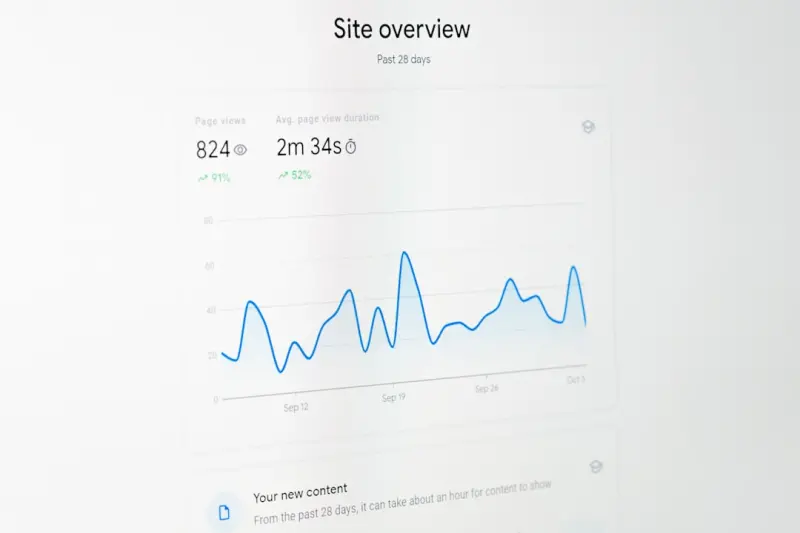
Zero-Click Search Optimization: Turning SERP Real Estate into Traffic
Learn to capture traffic without clicks by mastering zero‑click SEO, leveraging structured data, featured snippets, and voice search to own SERP real estate....Read More

The Human‑Centric Edge: Crafting Content That Connects and Converts
Learn why putting empathy at the heart of your content creation process not only captivates audiences but also drives higher SEO rankings and lasting brand rela...Read More
0 Comments
Post Comment
You will need to Login or Register to comment on this post!