
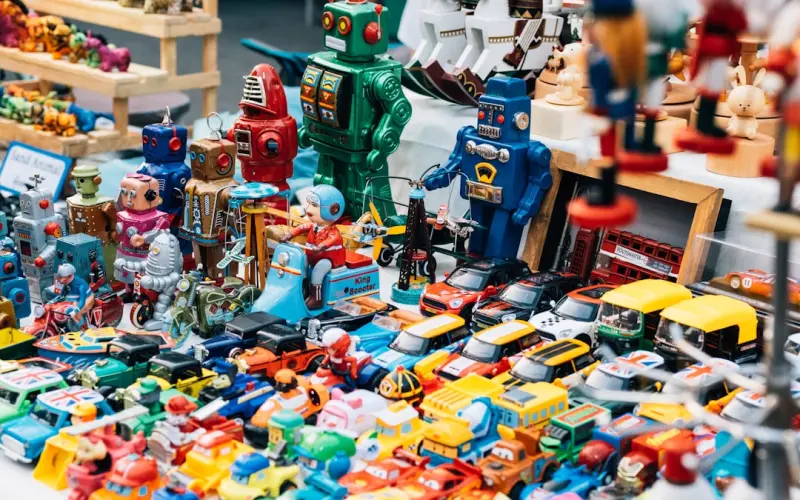
When I first opened the cardboard box of my kid’s new playset, the scent of fresh cardboard and the faint hint of pine resin reminded me of my own childhood – a time when imagination was the only currency required to turn a simple block into a castle. Today, that same nostalgic spark can be harnessed not just for fun, but to teach kids about responsibility, the environment, and the joy of making something from almost nothing. In an era where mass‑produced plastic toys dominate shelves, the quiet revolution of sustainable play is reshaping how families think about the toys they bring into their homes, and I’m here to share why that matters to both parents and the planet.
Why Sustainable Toys Are More Than a Trend
Eco‑friendly toys are often dismissed as a niche market, but the numbers tell a different story; a recent study showed that over 60 % of millennial parents actively seek out products with reduced carbon footprints, and that demand is only growing. The appeal isn’t just about lower emissions – it’s about fostering a mindset that values long‑term thinking over instant gratification, a lesson that can be woven into playtime without a lecture. By choosing toys made from reclaimed wood, organic cotton, or recycled plastics, we give children the chance to see the lifecycle of an object, from raw material to finished product, and back again, subtly reinforcing the concept of a circular economy.
One of the most powerful aspects of sustainable toys is the tactile experience they offer; the natural grain of a bamboo puzzle or the soft, breathable feel of an organic plush bear provides sensory feedback that plastic simply can’t match. Research in early childhood development highlights that varied textures support fine motor skills and sensory integration, which are crucial for children on the autism spectrum and for neurotypical kids alike. When a child’s fingers explore the smooth curve of a sustainably sourced wooden car, they’re not only playing – they’re building neural pathways that support future learning and emotional regulation.
Beyond the immediate sensory benefits, sustainable toys often come with stories that inspire curiosity. Many makers embed QR codes on their packaging that link to videos showing how the materials were sourced, how the toys were handcrafted, or even how families can repurpose the packaging into new creations. This transparency turns a simple purchase into an educational adventure, encouraging kids to ask “where did this come from?” and “what can we do with it next?” – questions that lay the groundwork for lifelong environmental stewardship.
DIY Upcycling: Turning Everyday Objects Into Play
One of my favorite weekend projects is gathering discarded household items and turning them into bespoke toys for my niece; a set of old bottle caps becomes a colorful memory game, while a cardboard tube transforms into a mini‑rocket that launches imagination into orbit. The beauty of DIY upcycling is that it teaches children the value of resourcefulness: the satisfaction of building something unique from what others consider trash is a lesson in creativity that no store‑bought toy can replicate. Moreover, the process itself is a collaborative ritual, strengthening bonds between parent and child as they plan, cut, glue, and paint together.
For families eager to dive into upcycled play but unsure where to start, there are countless online guides that break down the steps into bite‑size projects, many of which incorporate basic STEM concepts. A simple experiment involves using a set of old wooden spoons, rubber bands, and a small weight to create a lever‑based catapult, introducing principles of physics in a hands‑on way. Another favorite is turning a pair of mismatched socks into a plush “sock monster,” encouraging kids to practice basic sewing skills while personalizing their new companion with buttons, felt, and yarn.
When you look at the finished product, the sense of pride radiating from a child who helped create their own toy is priceless. It’s a reminder that the most memorable play experiences often stem from the effort and love poured into them, not the price tag on a shelf. By sharing these projects on social media, families can also inspire a broader community, sparking a ripple effect of sustainable creativity that extends far beyond a single household.
Building a Sustainable Toy Collection: Tips for Parents
Curating a collection of eco‑friendly toys doesn’t have to be overwhelming; start by setting clear priorities such as durability, material safety, and the potential for multi‑generational use. Look for certifications like FSC (Forest Stewardship Council) for wood products or GOTS (Global Organic Textile Standard) for fabrics, which assure that the toys meet strict environmental and health standards. Brands that emphasize transparency often provide detailed sourcing information on their websites, and you can dive deeper by exploring articles like story‑driven toys that illustrate how thoughtful design can elevate play.
Another practical approach is to adopt a “one‑in, one‑out” rule: for every new toy brought into the home, consider donating or recycling an older one, keeping the overall volume manageable and ensuring each item receives the attention it deserves. Many communities host toy swaps or have local charities that accept gently used items, turning the act of decluttering into a chance to spread joy to other families. When you prioritize quality over quantity, you’ll find that a single well‑crafted wooden set can provide years of engagement, growing alongside your child’s evolving interests.
Finally, remember that the story behind a toy can be just as compelling as the toy itself. Brands that incorporate visual storytelling into their packaging or marketing often create a richer experience for both kids and parents, turning an unboxing into an adventure. By selecting toys that come with narratives about their creation, you invite your child into a dialogue about sustainability, creativity, and the power of imagination – a conversation that will echo long after the playroom lights dim.

Related Posts
Reimagining Play: Sustainable, Creative Toys for Modern Families
Explore fresh ways to choose toys that nurture creativity, sustainability, and emotional growth, fro... Read More
The Joy of Collecting: Why Vintage Toys Remain Timeless
Collecting vintage toys is more than just a hobby; it's a way to relive memories of our childhood an... Read More
The Unexpected Benefits of Playful Tech: How Modern Toys Nurture Creativity
Explore the rise of eco‑friendly, smart toys and learn how blending open‑ended play with technol... Read More
Top Posts

Structured Data: The Quiet SEO Super‑charger SaaS Teams Overlook
Discover why structured data is the hidden lever that can turn ordinary search results into rich, high‑click listings for SaaS products, complete with step‑...Read More

Social Listening & Micro‑Community Playbooks: A SaaS Growth Compass
A fresh take on B2B social media: shift from broadcasting to listening, build niche communities, empower employee advocacy, and use AI to scale real‑time enga...Read More

Predictive Content Strategy: Data‑Driven Growth
A predictive content strategy leverages data, AI, and rapid testing to forecast what topics will resonate, enabling SaaS marketers to create timely, high‑impa...Read More

The Human‑Centric Playbook for Social Media Advertising Success
Discover a human‑centric approach to social media advertising that blends empathy, data, and creative storytelling to turn clicks into lasting customer relati...Read More
0 Comments
Post Comment
You will need to Login or Register to comment on this post!