

When most SaaS founders think about search visibility, they picture global rankings, keyword clusters, and high‑volume backlinks. The truth is, a surprisingly large slice of revenue comes from people who type a city name, a neighborhood, or even a street address into Google before they ever click “sign‑up.” In my experience, the most underrated lever for SaaS growth is a disciplined, data‑driven approach to local search visibility. This isn’t about opening a brick‑and‑mortar office; it’s about making sure your product surfaces whenever a prospect asks “software for my town.” Below, I’ll walk you through the three pillars that turn a modest local footprint into a steady pipeline: citation hygiene, review engineering, and geo‑targeted content assets.
1. Build a Fault‑Tolerant Citation Engine
Every online directory that mentions your company—Google Business Profile, Yelp, Bing Places, industry‑specific listings—acts like a tiny vote for relevance. Unfortunately, most SaaS teams treat these citations as a one‑off task. The result? Inconsistent NAP (Name, Address, Phone) data that confuses search algorithms and erodes trust.
What you need is a citation engine that tolerates change. Here’s a step‑by‑step process you can automate with a spreadsheet, a simple API, or a low‑code workflow:
- Audit existing citations. Pull a list of all URLs that reference your business name. Tools like BrightLocal or Moz Local can export this data, but a manual Google search for “Your Company + city” often uncovers hidden gems.
- Standardize your NAP. Decide on the exact format (e.g., “Acme SaaS, 123 Main St, Suite 400, Austin, TX 78701, USA”) and lock it down in a single source of truth.
- Implement a change‑propagation script. When you update the NAP in your master file, the script pushes the change to every third‑party listing via their APIs or through bulk upload templates.
- Schedule regular health checks. Run a quarterly scan to catch drift—Google may auto‑correct addresses, or a partner site might truncate your name.
Why is this important for SaaS? Local search engines interpret consistent citations as a signal that the business is legitimate, stable, and serves the surrounding area. Even if you don’t have a physical office, the “address” can be a virtual office or a coworking space; the key is consistency.
2. Engineer Reviews as a Conversion Funnel
Reviews are often treated like an afterthought—something the support team asks for once a ticket is closed. In reality, they are a high‑intent conversion asset. Prospects who see a five‑star rating from a peer in their city are far more likely to click through to a demo.
Here’s how to turn reviews into a predictable flow:
- Identify the right moments. The best time to ask for a review is after a milestone event: a successful onboarding, a renewal, or a measurable ROI milestone. This maximizes the chance of a glowing comment.
- Make the request frictionless. Send an automated email with a direct link to the Google Business Profile review form. Pre‑populate the subject line with “Acme SaaS helped your company increase productivity by 30%.”
- Incentivize responsibly. While you can’t pay for reviews, you can offer a free training session or a feature preview in exchange for honest feedback.
- Leverage reviews in other assets. Pull the most compelling snippets into case studies, landing pages, and even your customer success stories. This creates a feedback loop where social proof fuels more traffic, which in turn generates more reviews.
Pro tip: Use a sentiment analysis tool to flag negative reviews quickly. Respond within 24 hours, resolve the issue, and, if the customer agrees, ask them to update the review. The transparency shows prospects that you care about local users, not just the headline numbers.
3. Deploy Geo‑Targeted Content That Speaks the Local Language
Most SaaS content strategies focus on industry keywords (“project management software,” “CRM for SMBs”). Adding a geographic modifier can capture a whole new audience segment that’s actively searching for solutions “near me.” The trick is to do it at scale without sacrificing quality.
Consider these tactics:
- Location‑Specific Landing Pages. Create a template that pulls in dynamic data: city name, local case studies, and nearby events. For instance, “Acme SaaS for Austin Startups” can feature a testimonial from a local founder and a mention of the Austin Tech Meetup.
- Local Blog Series. Write posts that address regional pain points: “How Texas Data‑Privacy Laws Influence SaaS Adoption” or “Why Remote Teams in Seattle Prefer Integrated Chat Tools.” These articles naturally earn backlinks from local news sites and industry groups.
- Embed Structured Data for Local Business. Even though we’re not talking about “structured data” as a headline, adding
LocalBusinessschema to your pages helps Google understand the geographic relevance. - Leverage Community Partnerships. Sponsor a local hackathon or co‑host a webinar with a city’s chamber of commerce. Then, publish a recap page that includes event photos, speaker bios, and a call‑to‑action for local attendees.
When you combine these assets with your citation engine, each page becomes a mini‑authority hub that reinforces your local relevance. Search crawlers see the pattern, and users see the proof.
4. Measure, Iterate, and Scale
All the tactics above are meaningless without a feedback loop. Here’s a lean measurement framework you can adopt:
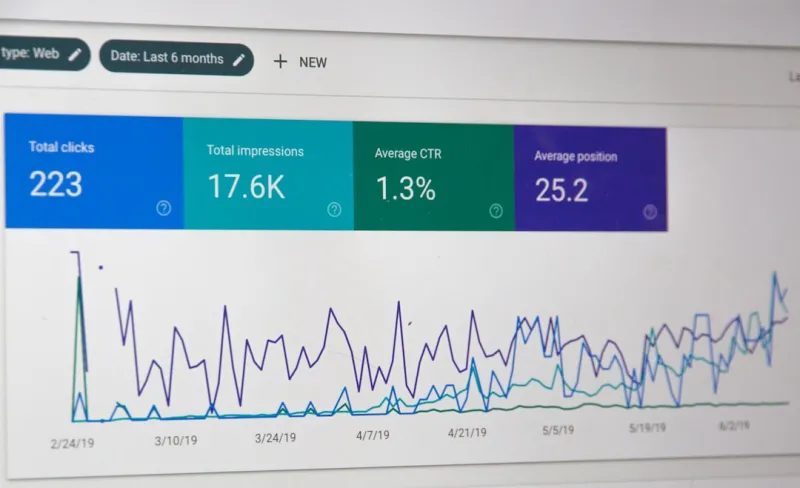
- Visibility Metrics. Track impressions and clicks for “near me” queries in Google Search Console. Set up a custom segment for queries that include city or zip‑code terms.
- Engagement Signals. Monitor bounce rate, time‑on‑page, and conversion rate on each location landing page. A high bounce rate might indicate that the content isn’t aligning with the local intent.
- Review Velocity. Record the number of new reviews per month, their average rating, and the source (Google, G2, Capterra). Aim for a steady upward trend.
- Citation Consistency Score. Use a tool to score the uniformity of your NAP across all listings. Anything below 95 % should trigger a remediation sprint.
Every quarter, review these KPIs and adjust your tactics. If a particular city isn’t moving the needle, consider reallocating resources to a higher‑potential market.
5. Integrate Local SEO Into Your Existing Marketing Stack
One mistake I see repeatedly is treating local SEO as a siloed project. The most sustainable results happen when it’s woven into the broader growth engine. Here’s how to do it without creating extra work:
- Sync with Paid Campaigns. Align your geo‑targeted paid ads with organic landing pages. Use the same city‑specific copy to reinforce the message across channels.
- Feed Local Signals Into Sales Enablement. Provide your SDR team with a dashboard that highlights prospects who discovered you via a local search term. They can tailor outreach with a “Hey, I see you’re based in Denver…” opener.
- Leverage the Help Center. Your product documentation can double as a source of local content. For example, a guide titled “Setting Up Acme SaaS for California Compliance” serves both existing users and local prospects. See how a well‑structured help hub can boost SEO here.
By integrating local signals into the same workflows you already use for global SEO, you avoid duplication and keep the team focused on a single, cohesive strategy.
Final Thoughts: Local Search as a Competitive Moat
In the crowded SaaS landscape, the companies that win aren’t always the ones with the biggest marketing budgets. They’re the ones that dominate the micro‑moments—when a founder in Nashville types “CRM for Nashville startups” and your brand instantly appears. By treating citations, reviews, and geo‑targeted content as a unified system, you create a moat that’s hard for competitors to replicate without the same level of operational rigor.
If you’ve never measured your local footprint, start today. Audit one city, solicit a handful of reviews, publish a location‑specific blog post, and watch the data speak. The incremental traffic may look modest, but over time it compounds into a reliable, high‑intent lead source that feeds directly into your sales funnel.

Related Posts

Local SEO Trends 2024: Rose DesRochers’ Neighborhood Playbook
Rose DesRochers shares her 2024 local SEO playbook, blending GBP mastery, hyper‑local content, cit... Read More

Local SEO in 2024: Jody Henderson’s Playbook for Neighborhood Dominance
Jody Henderson shares a 2024 local SEO playbook—optimizing Google Business Profiles, crafting hype... Read More
Local SEO Strategies for Small Businesses: A Comprehensive Guide
Learn how to optimize your website and online presence for local SEO to attract more customers and s... Read More
Top Posts

The Evolution of Collectible Toys: A Comprehensive Overview
The world of collectible toys has undergone significant transformations over the years. From vintage dolls to retro action figures, collectible toys have captur...Read More

Transforming LinkedIn Into a Search Engine Goldmine
Discover a step‑by‑step approach to leverage LinkedIn’s algorithm, structured data, and engagement signals, turning your professional network into a highâ...Read More

Ephemeral Content Strategies That Turn 24‑Hour Stories into Long‑Term Growth
Learn how to transform short‑lived Stories into powerful, data‑driven assets that fuel SEO, nurture leads, and build loyal micro‑communities....Read More

Eco‑Friendly Toys: Redefining Play for a Greener Future
Explore the rise of sustainable toys—how reclaimed materials, modular design, and conscious branding are turning playtime into a planet‑saving adventure. Ge...Read More
0 Comments
Post Comment
You will need to Login or Register to comment on this post!