

Why Hyperlocal Content Is the New Frontier for Small Businesses
When customers search for “coffee shop near me” or “bike repair in downtown,” they’re expressing a micro‑intent that goes far beyond a city‑wide query. Hyperlocal content captures that needle‑sharp desire by weaving neighborhood landmarks, street names, and community slang directly into your copy. This approach not only tells search engines exactly where you fit in the local ecosystem, but it also builds an instant connection with residents who feel you understand their daily routines. By focusing on the specific pulse of a block or a suburb, you outrank broader competitors who rely on generic city‑wide optimization, and you turn casual browsers into loyal foot‑traffic.
Mapping Neighborhood Micro‑Pages to Capture Intent
One of the most effective tactics is to create dedicated micro‑pages for each neighborhood you serve. Each page should feature a unique headline, localized copy, and a custom content micro‑loop that highlights a nearby park, school, or transit hub. Structure the pages with clear headings, bullet‑pointed service lists, and embedded Google Maps snippets to reinforce geographic relevance. Search engines love this granular detail, and users appreciate the tailored information that answers “What’s available right where I live?” By interlinking these micro‑pages through a logical site hierarchy, you create a network of relevance that boosts authority for each location.
Turning Community Events into SEO Gold
Local festivals, farmer’s markets, and charity runs are not just social gatherings—they’re powerful SEO assets. Before an event, publish a preview post that includes the event name, date, venue, and a brief description of how your business will participate. After the event, follow up with a recap that features photos, participant quotes, and a summary of your involvement. This evergreen content attracts both event‑related searches and post‑event queries, extending your visibility long after the lights go out. Additionally, embed structured data for Event schema to help search engines surface your page in event‑centric results, driving more local clicks.
Schema Markup for Local Services: A Practical Guide
While many businesses know about LocalBusiness schema, few leverage the full suite of service‑specific markup. Implement Service and Offer schema on your micro‑pages to describe each neighborhood offering in detail—price ranges, booking options, and seasonal discounts. Pair this with GeoCoordinates to pinpoint your exact location, and you’ll see rich snippets appear in SERPs, increasing click‑through rates. For developers who need a quick reference, the mobile‑first structured data guide offers step‑by‑step JSON‑LD examples that work flawlessly on both desktop and mobile devices.
Harnessing Neighborhood Review Platforms Beyond Google
Google reviews are vital, but hyperlocal searchers also consult niche platforms like Nextdoor, Yelp’s “Neighborhood” tabs, and industry‑specific forums. Claim and optimize your profiles on these sites, ensuring your business name, address, and phone number (NAP) remain consistent. Encourage satisfied customers to leave detailed reviews that mention local landmarks or specific neighborhoods—they act as natural, location‑rich citations that reinforce your micro‑page content. Moreover, respond promptly and personally to each review; this signals to both users and search engines that you’re actively engaged with the community.
Local Podcasts and Audio SEO: Amplifying Your Brand Voice
Audio content is exploding, and local podcasts offer a unique channel to reach hyper‑focused listeners. Partner with neighborhood storytellers or start a short, weekly “around the block” series that discusses local news, upcoming events, and tips related to your industry. When you publish an episode, embed the audio player on the corresponding micro‑page and include a transcript enriched with location‑specific keywords. Search engines can index the transcript, giving you additional ranking opportunities, while listeners develop a deeper emotional bond with your brand.
Strategic Partnerships with Non‑Competing Local Brands
Collaborating with complementary businesses—like a bakery teaming up with a nearby coffee shop—creates cross‑traffic and shared SEO benefits. Co‑create joint landing pages that showcase bundled offers, and exchange backlinks with clear, locality‑focused anchor text. For example, a “Weekend Brunch in Maple Lane” page can rank for multiple related searches, pulling authority from both partners. This synergy not only expands your audience but also signals to search engines that your business is a trusted fixture within the neighborhood ecosystem.
Measuring Hyperlocal Impact with the Right Metrics
Traditional SEO metrics—organic traffic and keyword rankings—don’t tell the full hyperlocal story. Track neighborhood‑level performance by monitoring “organic impressions” for location‑specific queries in Google Search Console. Pair this with Google My Business insights that reveal “searches where a map was shown” and “direction requests.” Additionally, use UTM parameters on micro‑page URLs to attribute foot‑traffic and phone calls back to specific neighborhoods. By analyzing these granular data points, you can refine your micro‑page strategy, allocate budget to the most responsive areas, and demonstrate ROI to stakeholders.
Future‑Proofing Your Local SEO Playbook
The next wave of local search will be dominated by AI‑driven personalization and real‑time intent signals. To stay ahead, embed a test‑and‑learn SEO mindset into every hyperlocal initiative. Run A/B tests on headline variations, schema implementations, and call‑to‑action placements, then iterate based on performance data. Keep an eye on emerging formats like augmented reality street views and voice‑only queries, and be ready to adapt your micro‑pages accordingly. By continuously experimenting and optimizing, your small business will not only dominate today’s hyperlocal search landscape but also thrive as the algorithms evolve.

Related Posts
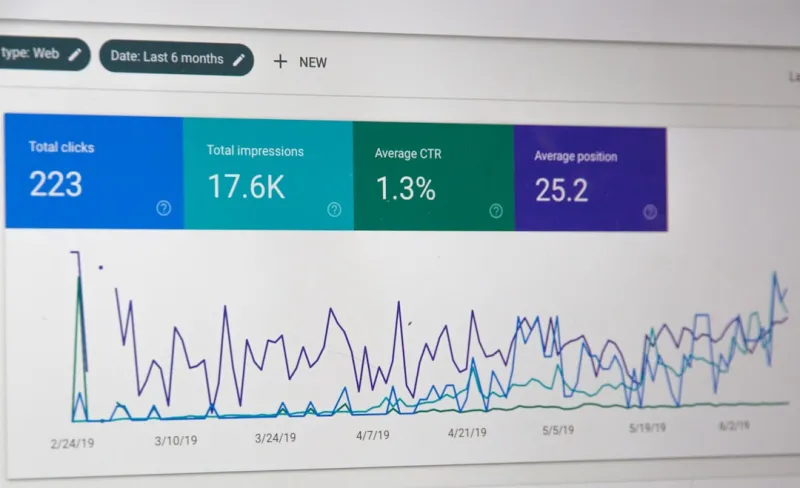
Local SEO Mastery: Shawn DesRochers’ Blueprint for Dominating Neighborhood Search
Shawn DesRochers shares an actionable local SEO roadmap, from Business Profile optimization to hyper... Read More

The Voice Search Playbook for Local Businesses: Winning Neighborhood Rankings with Conversational SEO
Voice assistants are now the go‑to guide for neighborhood searches. This playbook shows local busi... Read More

Neighborhood Narrative: A Fresh Take on Local SEO Success
Learn how to transform your local SEO by treating each neighborhood as a living narrative—leveragi... Read More
Top Posts

LinkedIn SEO: Turning Your Professional Profile into a B2B Magnet
A deep dive into LinkedIn SEO, showing how to structure profiles, publish content, and use algorithmic signals to attract B2B SaaS prospects organically....Read More

Decoding Google’s Passage Ranking: A SaaS Playbook for Precise Visibility
Google’s new passage ranking lets a single paragraph outrank whole pages. This post shows SaaS marketers how to craft, structure, and measure content so the r...Read More
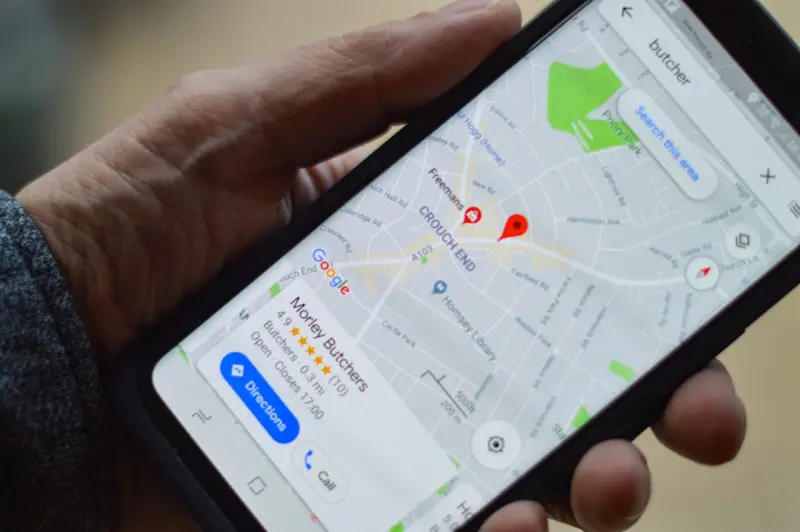
How Community Partnerships Supercharge Your Local SEO
Learn why building authentic local partnerships is the secret weapon for dominating local search, earning trusted backlinks, and converting neighborhood traffic...Read More
Unlocking the Hidden SEO Power of WordPress Taxonomies
A deep dive into WordPress site architecture—covering permalinks, custom taxonomies, CPTs, internal linking, and headless setups—to build a scalable SEO fou...Read More
0 Comments
Post Comment
You will need to Login or Register to comment on this post!