

Why Structured Data Is the Mobile SEO Secret Weapon
When users swipe through results on a phone, the first thing that catches their eye isn’t just the title—it’s the extra visual cues that Google adds to the snippet. Rich results like FAQs, reviews, and product specs transform a plain link into an interactive mini‑experience, and on a cramped screen those signals can be the difference between a tap and a scroll‑by. Mobile users are looking for answers in seconds, so embedding mobile‑first technical checklist elements directly into your markup gives Google the data it needs to serve those enhanced cards. By prioritizing schema.org types that align with your business—such as Product, Article, or LocalBusiness—you signal relevance not just to search engines but to the human eye, increasing click‑through rates without extra ad spend.
Core Web Vitals: The Mobile Speed Imperative
Google’s Core Web Vitals have become the heartbeat of mobile SEO, with LCP (Largest Contentful Paint), CLS (Cumulative Layout Shift), and FID (First Input Delay) now ranking factors that directly affect SERP placement. On a handset, a delay of even half a second can cause a bounce, sending negative signals back to the crawler. To keep LCP under 2.5 seconds, compress images, defer off‑screen JavaScript, and leverage modern formats like WebP. CLS issues often arise from lazy‑loaded content that shifts as it loads; set explicit dimensions for images and ads to preserve layout stability. FID is all about interactivity—minimize main‑thread work and use async scripts. Together, these metrics create a seamless experience that Google rewards with higher visibility, especially in the mobile‑only carousel and “People also ask” sections.
Image Optimization: Small Files, Big Impact
Images dominate mobile page weight, and each extra kilobyte adds to load time and data usage for users on limited plans. Start by serving responsive srcset images so the browser delivers the appropriate resolution based on screen size and pixel density. Next, compress with tools that balance quality and size—aim for a visual quality score of 70‑80% for JPEGs, and consider AVIF for next‑gen efficiency. Don’t forget alt attributes; they not only improve accessibility but also feed contextual clues to search engines, enhancing relevance for image‑centric queries. For e‑commerce sites, implementing ImageObject schema alongside optimized visuals can unlock product‑rich snippets, driving clicks directly from the SERP. When you pair these tactics with a CDN, you further reduce latency, delivering crisp images instantly to users worldwide.
Local Mobile Search: Capturing the “Near Me” Crowd
Mobile searches have an innate locality bias—people often look for “coffee shop near me” or “24‑hour pharmacy”. To dominate this space, ensure your LocalBusiness schema includes precise latitude and longitude, operating hours, and a phone number formatted for click‑to‑call. Consistency across NAP (Name, Address, Phone) listings on Google My Business, Yelp, and industry directories reinforces trust with both Google and users. Moreover, embed a mobile‑friendly map with a Place markup that supports “Get Directions” links, turning a search result into an instant foot‑traffic driver. Encourage customers to leave reviews directly on Google; positive ratings amplify your presence in the local pack and can even trigger a “Featured Snippet” for service‑related queries.
International Mobile SEO: Hreflang Meets Mobile URLs
Brands operating across borders face the challenge of delivering the right language and regional content to mobile users. The hreflang attribute remains essential, but it must be paired with a clear mobile URL strategy—whether you use responsive design, separate mobile subdomains, or distinct country‑specific domains. Google recommends serving the same content to both desktop and mobile crawlers, but you can still signal regional preferences by adding hreflang tags on the mobile versions. Additionally, implement canonical tags pointing to the preferred desktop URL to avoid duplicate‑content penalties. When you combine these signals with localized structured data—such as Product details in the native language—you improve relevance for international mobile users, boosting rankings in localized SERPs.
Mobile‑Only Rich Snippets: Tapping Into New SERP Real Estate
Google is rolling out mobile‑specific rich results that don’t appear on desktop, such as “how‑to” step cards, recipe instructions, and event timelines optimized for thumb‑friendly navigation. To qualify, you must provide complete, well‑structured markup that adheres to Google’s guidelines, including itemListElement for steps and eventAttendanceMode for live events. These snippets often sit at the top of the mobile SERP, ahead of organic results, delivering instant visibility. By auditing your pages for missing schema and adding the necessary JSON‑LD, you can claim that prime placement. For example, a fitness blog that marks up workout routines as HowTo can appear as a carousel of steps, prompting users to engage directly from the search results.
Testing and Monitoring: The Mobile SEO Dashboard
Continuous measurement is vital; tools like Google Search Console’s Mobile Usability report, PageSpeed Insights, and Lighthouse provide granular data on how your pages perform on real devices. Set up automated alerts for Core Web Vitals regressions, and track structured data coverage using the Rich Results Test. Create a custom dashboard that aggregates mobile‑specific metrics—bounce rate, average session duration, and click‑through rate from rich snippets—so you can spot trends before they impact rankings. Regularly run a mobile crawl with Screaming Frog, focusing on robots.txt directives and canonical tags, to ensure search engines can access and index your optimized content without obstacles.
Future‑Proofing: Preparing for the Next Mobile Search Evolution
While today’s focus is on structured data and performance, the future will likely bring deeper integration of AI‑generated answers and augmented reality overlays on mobile SERPs. Position yourself now by adopting schema that supports emerging formats, like FAQPage for conversational queries and ImageObject for AR previews. Keep an eye on Google’s experimental features, such as “Mobile‑First Indexing” extensions that prioritize AMP‑like experiences without the constraints of a full AMP implementation. By staying agile—updating markup, refining Core Web Vitals, and expanding local and international signals—you’ll ensure your mobile presence remains resilient as search evolves.

Related Posts
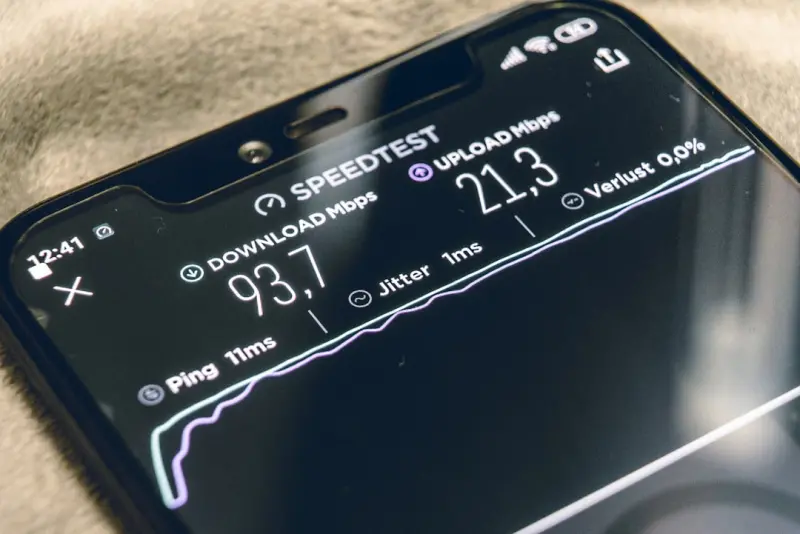
Mobile Speed Secrets: Turning Performance Into Ranking Power
Learn to turn mobile performance into a SEO superpower using real‑user monitoring, progressive enh... Read More

Why Mobile‑First Content Wins Over Classic SEO Tactics
A deep dive into mobile‑first SEO for SaaS, covering app indexing, PWAs, structured data, Core Web... Read More

Mobile SEO Mastery: From Speed to AI‑Ready Experiences
A deep dive into mobile‑first SEO, covering performance, progressive web apps, structured data, an... Read More
Top Posts

Unleashing Employee Advocacy to Supercharge SaaS Social Media
Discover how turning your own employees into brand ambassadors can dramatically expand reach, build trust, and drive qualified leads for SaaS companies, all wit...Read More
Crawl Budget Mastery: How to Maximize Indexation for Massive Websites
A deep dive into crawl budget optimization, covering site architecture, server logs, speed improvements, and future‑proof tactics to ensure every crawl dollar...Read More

Community Events: A Boost for Local SEO
Local SEO gains a powerful edge when SaaS companies engage in community events. This guide walks through selecting the right gatherings, leveraging structured d...Read More

Revolutionizing Social Media Advertising: A New Era of Engagement
Learn how to create engaging social media ad campaigns using collectible toys and technical SEO to connect with your target audience and drive conversions....Read More
0 Comments
Post Comment
You will need to Login or Register to comment on this post!