
The Listening Revolution in B2B SaaS
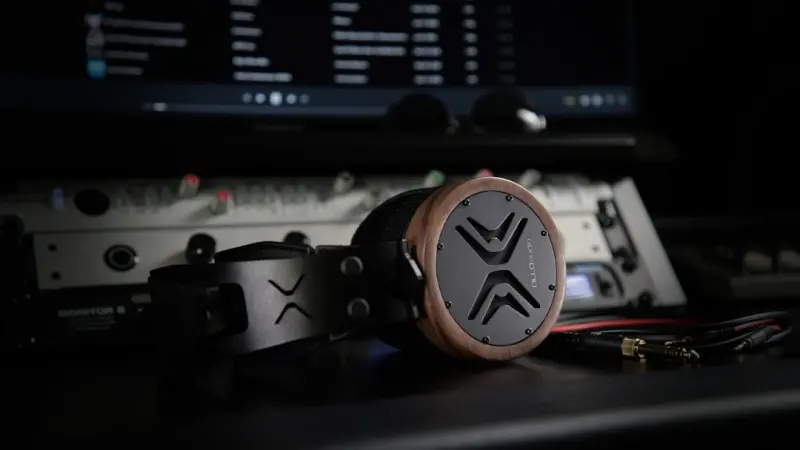
When most marketers talk about “content trends,” the conversation still orbits text, video, and static graphics. Yet a quieter, more resonant shift is humming beneath the surface: the rise of audio‑first content. From on‑demand podcasts to voice‑search‑optimized articles and immersive soundscapes embedded in product tours, SaaS brands are learning that the ear is an incredibly under‑leveraged channel for building trust, showcasing expertise, and driving conversion.
Why Audio Deserves a Seat at the Table
First, the consumption habits of decision‑makers are evolving. Busy product leaders and CROs often listen to industry podcasts while commuting, exercising, or troubleshooting code. According to recent surveys, over 70% of B2B buyers admit they have learned about a new solution through audio content. That statistic alone tells us that if you’re not speaking in the language of the ear, you’re missing a sizable slice of the pipeline.
Second, audio content offers a unique blend of intimacy and efficiency. A well‑produced interview can convey personality, nuance, and authority in a way that a whitepaper can’t. Listeners feel like they’re sitting across a table with the host, which shortens the trust‑building cycle. Moreover, a 30‑minute podcast episode can be consumed in the time it takes to skim a blog post, but with far higher retention rates.
From Podcast to Product: Mapping Audio to the Buyer Journey
Just as we map keywords to funnel stages, we can map audio formats to moments in the buyer journey:
- Awareness: Guest‑appearing on industry podcasts or launching a brand‑owned “SaaS Stories” series introduces your brand to a new audience.
- Consideration: Deep‑dive “Tech Talk” episodes that unpack a specific challenge (e.g., scaling micro‑services) demonstrate expertise and help prospects self‑diagnose.
- Decision: Mini‑interviews with existing customers, paired with live Q&A sessions, give prospects the social proof they crave right before they sign the contract.
By aligning each audio asset to a stage, you ensure the content is not just noise, but a strategic lever that pushes leads forward.
Voice Search: The SEO Bridge You’ve Been Overlooking
While many SaaS marketers obsess over Google’s SERP algorithms, few consider how voice assistants rewrite the search query landscape. Voice searches tend to be longer, conversational, and intent‑rich. For example, a user might ask, “What’s the best way to monitor API latency in a multi‑cloud environment?” rather than typing “API latency monitoring.” This shift means your content must answer questions in a natural, spoken tone.
To capitalize on this, start by auditing your existing content for question‑style headings. Turn those headings into concise, spoken answers that can be harvested by tools like Designing a Content Experience Blueprint. Then, embed short audio snippets—think 30‑second “quick answer” clips—directly on the page. Search engines can index these files, and they’ll surface in voice results, giving you an edge over text‑only competitors.
Production Doesn’t Have to Be Expensive
One of the biggest myths around audio is that you need a full‑blown studio and a professional host. The truth is, a decent USB microphone, a quiet room, and a solid editing tool (many of which are free) can produce high‑quality content. The real investment is in consistency and distribution. Publish on a predictable schedule—weekly or bi‑weekly—and push the episodes through multiple channels: your website, email newsletters, LinkedIn native audio, and platforms like Spotify or Apple Podcasts.
Embedding Audio Into the SaaS Experience
Audio can do more than sit on a landing page; it can become part of the product itself. Imagine a user onboarding flow where each step includes a short, contextual voice guide. Or a help center where complex troubleshooting articles are paired with narrated walkthroughs. These micro‑audio moments reduce cognitive load, improve accessibility, and can even boost SEO when paired with transcriptions.
When you treat audio as a product feature rather than a peripheral marketing asset, you unlock a host of opportunities: higher activation rates, lower churn, and a distinctive brand voice that rivals can’t replicate.
Measuring Audio Success: Metrics That Matter
Traditional content metrics—page views, bounce rate, time on page—still apply, but audio introduces new KPIs:
- Listen‑through rate: The percentage of listeners who finish an episode or audio snippet.
- Engagement lift: Compare conversion rates for pages with embedded audio versus text‑only pages.
- Voice search impressions: Monitor how often your audio‑optimized pages appear in voice query results.
- Retention correlation: Track whether customers who consume audio content have longer product lifespans.
By tying these metrics back to revenue outcomes, you can justify the budget for audio initiatives and iterate based on data, not intuition.
Integrating Audio With Existing Content Assets
Don’t build your audio strategy in isolation. Leverage existing high‑performing assets to seed new audio formats. For instance, turn a top‑ranking blog post into a podcast episode—invite the original author to discuss the topic, add anecdotes, and answer listener questions. Likewise, repurpose webinar recordings into bite‑size audio clips that address specific pain points.
When you turn every page element into an SEO asset, audio becomes just another element in the SEO toolkit, amplifying the reach of the underlying text and visual content.
Personalization at Scale: AI‑Powered Audio
Artificial intelligence is making it possible to generate personalized audio experiences without the manual labor of recording each variant. Tools can synthesize natural‑sounding voices that read dynamic content—think custom product demos, tailored onboarding scripts, or even personalized podcast intros that address the listener by name.
Deploying AI‑generated audio at scale can help you deliver a hyper‑personalized journey without blowing up your production calendar. The key is to keep the voice consistent with your brand tone, and to use AI as a supplement—not a replacement—for truly human‑crafted flagship episodes.
Legal and Accessibility Considerations
Audio content brings its own compliance checklist. Ensure you have proper licensing for music or third‑party clips, and always provide transcripts to meet accessibility standards. Transcripts not only serve deaf or hard‑of‑hearing users but also feed additional textual content to search engines, boosting the SEO value of each episode.
Future‑Proofing Your Audio Strategy
The next wave of audio innovation will likely blend voice with visual AR/VR experiences, creating “spatial audio” that reacts to user movement. While still nascent, early adopters who experiment now—by integrating interactive audio cues into product demos or virtual conferences—will be poised to lead the conversation when the technology matures.
In the meantime, focus on building a solid foundation: consistent publishing, voice‑search optimization, strategic distribution, and rigorous measurement. When you treat audio as a core pillar of your content ecosystem, you’ll not only capture the ears of today’s decision‑makers but also future‑proof your brand against the inevitable shift toward immersive, sound‑centric experiences.
Getting Started: A 5‑Step Playbook
- Audit your existing content: Identify high‑performing blogs, webinars, and case studies that can be repurposed into audio.
- Define your voice: Choose a tone—authoritative yet conversational—that aligns with your brand and resonates with your target persona.
- Set up a lightweight studio: Invest in a good microphone, pop filter, and acoustic treatment (even a simple blanket can work).
- Publish and distribute: Use a podcast host, embed episodes on relevant pages, and push to social platforms.
- Measure and iterate: Track listen‑through, SEO impressions, and conversion lift, then refine topics and formats based on the data.
By following these steps, any SaaS company—big or small—can join the audio revolution without a massive upfront budget. The ear is a powerful, often untapped sense. It’s time to give it the attention it deserves.

Related Posts

Why AI‑Generated Visuals Are Redefining Content Strategy
AI‑generated imagery is turning visual creation into an on‑demand service, enabling real‑time ... Read More

From Static Pages to Immersive Journeys: Redefining B2B Content with Interaction
Interactive content is reshaping B2B marketing by turning passive viewers into active participants, ... Read More

The Rise of Micro‑Video Narratives: How Short‑Form Storytelling Is Reshaping Content Strategies
Discover why micro‑video narratives are the newest content powerhouse, how to craft compelling sho... Read More
Top Posts

The Neuroscience of Sticky Content: How to Make Your Ideas Unforgettable
Learn to harness curiosity, narrative arcs, and visual storytelling to create content that sticks in the mind and drives lasting engagement....Read More

Beyond Backlinks: A Relationship‑First Link Building Blueprint for SaaS
Traditional backlink tactics are losing impact for SaaS firms. This guide presents a relationship‑first approach—leveraging partner content hubs, podcast gu...Read More
Human‑Centric Social Media Strategy: Sanji Patel’s Blueprint for 2024 Success
Sanji Patel reveals a human‑centric social media strategy for 2024, blending authentic storytelling, data insights, and sustainable practices to drive real co...Read More

The Future of Social Media Advertising: Trends to Watch
The social media advertising landscape is constantly evolving. Stay ahead of the curve by embracing the latest trends, including video content, influencer marke...Read More
0 Comments
Post Comment
You will need to Login or Register to comment on this post!