
Why Employee Advocacy Is the Missing Link in SaaS Content Marketing
When I first stepped into the world of SaaS, I was dazzled by the endless stream of webinars, case studies, and product demos. Yet, amid the noise, there was one resource that never got the spotlight it deserved: the people who actually build and support the product every day. In my experience, turning those internal experts into authentic voices can supercharge your content strategy in ways that paid media and polished copy alone simply cannot.
The Trust Gap in Modern Buying Journeys
Prospects today are skeptical. They’ve been bombarded by glossy landing pages and algorithm‑driven ads that promise the moon. The result? A widening trust gap. While brand messaging can set the stage, it’s the candid insights from engineers, customer success managers, and even the people in finance who can bridge that divide. When a senior engineer explains why a new feature matters, or a support specialist shares a behind‑the‑scenes troubleshooting story, the narrative becomes instantly credible.
From Silent Contributors to Content Champions
Historically, companies have treated internal expertise as a siloed asset—something to be consulted in a meeting and then filed away. To unlock its full potential, you need to shift the mindset from “knowledge hoarder” to “content champion.” Here’s how I’ve helped teams make that transition:
- Identify natural storytellers. Not everyone wants to be on camera, but many love to write a quick LinkedIn post or answer a question on an industry forum.
- Provide a low‑friction platform. A simple internal portal where employees can submit ideas, raw quotes, or short videos reduces the barrier to participation.
- Offer micro‑training. A 15‑minute workshop on “How to share your expertise without sounding salesy” can turn hesitant staff into confident contributors.
Designing an Employee‑Centric Content Engine
Creating a sustainable engine requires a blend of process, technology, and culture. Below is a framework I’ve refined over the past few years:
- Discovery & Mapping. Conduct a talent audit to map out internal expertise against the buyer’s journey stages. This reveals gaps where content is missing and highlights areas where an employee’s voice can add unique value.
- Content Sprint Planning. Treat employee‑generated pieces like any other deliverable. Set clear objectives—whether it’s driving awareness, nurturing leads, or supporting onboarding—and assign ownership.
- Amplification Playbook. Once a piece is published, push it through the right channels: the company blog, social media, email newsletters, and even paid promotion if the ROI justifies it.
- Feedback Loop. Use analytics to track performance, then close the loop with the employee contributor. Celebrate wins and iterate on the style or format that resonates best.
This systematic approach ensures that employee advocacy doesn’t become a sporadic gimmick but an integral part of your content calendar.
Balancing Authenticity with Brand Consistency
One of the biggest concerns leaders voice is: “Will employee content dilute our brand voice?” The answer lies in establishing guiding principles rather than rigid scripts. Think of it as a style compass—a set of high‑level guidelines that preserve tone, terminology, and messaging pillars while giving contributors freedom to inject personality.
For example, a support specialist can share a troubleshooting anecdote, but they should still align with the brand’s promise of “making complex data simple.” The result feels genuine yet unmistakably yours.
Measuring the Impact of Employee‑Powered Content
It’s tempting to assume that any content is good content, but the truth is that not all contributions move the needle. Here’s a quick KPI cheat sheet to keep you honest:
- Engagement Rate. Likes, comments, and shares on employee‑authored posts often outpace brand‑only posts because they spark genuine conversation.
- Lead Quality. Track the source of leads that cite an employee’s article or video. You’ll often find higher intent scores.
- Time‑to‑Close. Content that demystifies technical aspects can shorten the sales cycle, especially in complex SaaS solutions.
- Employee Advocacy Score. Survey participants on how valued they feel. Higher internal morale correlates with better external performance.
By aligning these metrics with broader business goals, you can justify continued investment and refine your approach over time.
Leveraging Existing Assets for Maximum Reach
Don’t reinvent the wheel for every employee contribution. Repurpose the raw material across formats to amplify reach:
- Live Q&A Sessions → Blog Summaries. Turn a 30‑minute internal AMA into a concise article that addresses the top three questions.
- Micro‑Videos → Social Snippets. Clip a 2‑minute product demo from a developer and share it as a series of 15‑second reels.
- Whiteboard Sketches → Infographics. Convert a support engineer’s diagram into a polished visual for your resource library.
This not only maximizes the ROI of each piece but also ensures a consistent flow of fresh content without overburdening the team.
Case Study: Turning Internal Knowledge Into a Thought‑Leadership Hub
One of my recent engagements involved a mid‑size SaaS firm that struggled to differentiate itself in a crowded market. We launched an employee advocacy program centered around a weekly “Tech Tuesday” blog series. Each post featured a different engineer explaining a recent challenge and how the team solved it.
The results were compelling:
- Organic traffic to the blog grew by 68% within three months.
- Average time on page increased from 1:45 to 3:12, indicating deeper engagement.
- Sales reported a 22% uplift in qualified leads that referenced the “Tech Tuesday” articles during discovery calls.
The success wasn’t a fluke; it stemmed from giving engineers a platform, aligning their stories with buyer pain points, and amplifying the content through the right channels.
Tools to Streamline the Process
While culture is the cornerstone, technology can smooth the operational side. Here are a few tools I recommend:
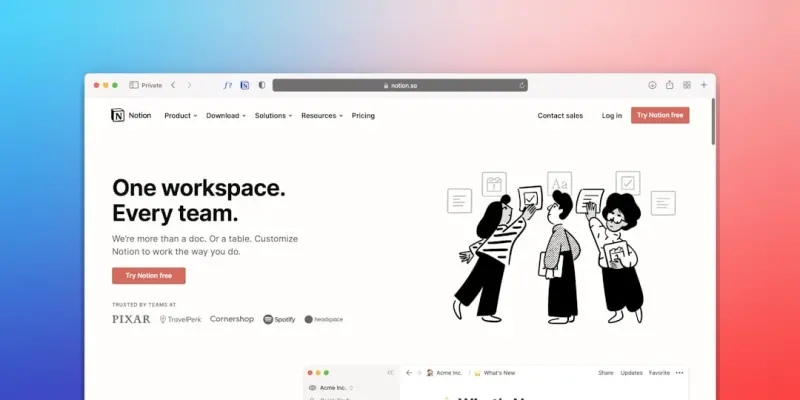
- Content Collaboration Platforms. Solutions like Notion or Confluence let employees draft, review, and publish without leaving their workflow.
- Social Listening Dashboards. Track how employee content performs across channels and surface insights for continuous improvement.
- Video Capture Extensions. Simple browser plugins enable engineers to record quick walkthroughs directly from their desktop.
Integrating Employee Advocacy With Your Existing Strategy
Don’t treat employee content as an afterthought. Instead, weave it into the fabric of your broader content plan. For instance, if your quarterly theme is “Data Security,” invite your security lead to contribute a deep‑dive article, a short video explainer, and a live webinar. This creates a multi‑touchpoint experience for prospects while showcasing real expertise.
To see how a cohesive content operation can look, check out The Content Ops Playbook. It outlines how to scale output without sacrificing authenticity—exactly the balance you’ll need when amplifying employee voices.
Overcoming Common Challenges
Every new initiative hits bumps. Here are the three most frequent hurdles and how to navigate them:
- Fear of Public Speaking. Offer alternatives like written Q&A or audio snippets. Gradually build confidence with low‑stakes formats.
- Inconsistent Quality. Pair contributors with a seasoned editor who can preserve the raw voice while polishing the final piece.
- Time Constraints. Integrate content creation into existing meetings—e.g., allocate the last five minutes of a sprint retro for quick idea capture.
Future‑Proofing Your Content Engine
As AI and automation continue to reshape the SaaS landscape, the human element becomes even more valuable. While generative tools can draft outlines, they lack the nuanced perspective that only a product engineer or customer success lead can provide. By institutionalizing employee advocacy now, you future‑proof your brand against the homogenization of content.
In the end, the most compelling stories aren’t crafted by marketers in isolation—they’re lived experiences shared by the people who make your product work. When you give those voices a stage, you not only fill the trust gap but also build a resilient, authentic content ecosystem that fuels growth.
Ready to Turn Your Team into Content Champions?
If you’re curious about how to get started, explore the Interactive Content Playbooks. While the focus there is on audience interaction, many of the principles—like iterative testing and real‑time feedback—apply equally to employee‑driven content.
Start small, celebrate each win, and watch your brand narrative transform from a corporate monologue into a chorus of expert voices. The result? A content strategy that feels less like marketing and more like a community of advocates—both inside and out.

Related Posts

The Evolution of Content Marketing: How to Stay Ahead in a Changing Landscape
Content marketing is evolving rapidly. Stay ahead of the curve by learning the latest trends and bes... Read More

Community‑Led Content: How to Turn Fans into Your Most Powerful Marketing Engine
Learn to transform your audience into a self‑sustaining marketing department by building a communi... Read More

The Content Repurposing Engine: Multiply Your Message Without Burning Out
Discover a systematic approach to repurposing content that amplifies reach, improves efficiency, and... Read More
Top Posts

Mastering Social Media Attribution: Turn Data Into Revenue
Discover a step‑by‑step framework for social media attribution, from tracking infrastructure to data‑driven budget allocation, and see how it can transfor...Read More

The Secret Sauce of LinkedIn Hashtag SEO for SaaS Leaders
Learn a step‑by‑step, data‑backed approach to turning LinkedIn hashtags into a high‑impact SEO channel for SaaS businesses, from research and architectu...Read More

The Tiered Social Media Funnel: From Followers to Brand Advocates
A practical guide to building a tiered social media funnel, leveraging existing assets, and applying personalization at scale to move prospects from awareness t...Read More

Zero‑Click Search: Turning Answers into SaaS Leads
Zero‑click search is reshaping how SaaS brands win visibility. This guide walks you through semantic clusters, technical fundamentals, and a practical sprint ...Read More
0 Comments
Post Comment
You will need to Login or Register to comment on this post!