

Rediscovering Play: How Toys Are Empowering Adults to Create, Calm, and Connect
When I was a kid, the backyard was my boardroom, the Lego set was my prototype lab, and a simple rubber ball could spark a thousand ideas. Fast‑forward a decade or two, and the world has become louder, faster, and more demanding. Yet the very objects that once fueled our imagination have quietly resurfaced—not for children, but for the adults who need them most.
Welcome to the growing movement of adult‑centric toys. From kinetic sand that smooths out tension to modular building kits that transform a coffee break into a brainstorming session, these tools are no longer novelty items. They’re strategic assets for mental health, creativity, and even workplace collaboration. In this deep dive, I’ll explore why more professionals are reaching for the toy aisle, how these tools tap into timeless principles of play, and practical ways you can weave them into your daily routine.
The Science of Play‑Induced Flow
Play isn’t just child’s work; it’s a neurological catalyst. When we engage with tactile, open‑ended objects, the brain releases dopamine, serotonin, and endorphins—chemicals that sharpen focus and boost mood. This cocktail triggers a state psychologists call flow, where challenges match skills and time seems to melt away. The result? Heightened productivity, deeper problem‑solving, and a genuine sense of satisfaction.
For many executives, the path to flow feels blocked by endless meetings, inbox overload, and a culture that equates busyness with value. A simple, handheld toy can break that cycle. By providing a low‑stakes, physically engaging outlet, toys help the mind reset, allowing the prefrontal cortex to return to tasks with fresh perspective.
From Stress Ball to Sensory Toolkit
We all know the classic stress ball. It’s cheap, squeezable, and offers a quick release for pent‑up frustration. But the modern sensory toolkit goes far beyond rubber. Think fidget cubes with clicky buttons, magnetic kinetic sand that flows like water but never spills, or hand‑crafted wooden puzzles that demand mindful attention.
These tools aren’t gimmicks; they’re engineered to engage multiple senses simultaneously. The tactile feedback calms the nervous system, while the visual patterns invite curiosity. When used intentionally—say, during a 10‑minute break after a long video call—they can lower cortisol levels, improve concentration, and even reduce the feeling of “Zoom fatigue.”
Creative Construction: Modular Building Kits for Adults
Remember the satisfaction of snapping together a set of bricks and watching a structure rise before your eyes? Modern modular kits have taken that joy and refined it for an adult audience. Brands now offer architectural models, mechanical puzzles, and even programmable robotics that let you design, iterate, and test ideas in a low‑risk environment.
These kits serve a dual purpose:
- Idea incubation: By physically manipulating components, you externalize abstract concepts, making them easier to critique and improve.
- Team bonding: Collaborative builds during workshops foster trust and communication without the pressure of traditional brainstorming.
Imagine a remote team meeting where each participant receives a mini‑construction kit. As they assemble it, they discuss design choices, share challenges, and celebrate small victories—creating a shared narrative that translates into stronger project alignment.
Playful Learning for Professionals
Learning isn’t confined to webinars and whitepapers. Gamified learning tools—like card decks that prompt scenario‑based discussions, or dice that randomize skill‑building challenges—turn training into a hands‑on experience. This approach mirrors the way children absorb language through play, but it’s calibrated for the complexities of adult skill sets.
One compelling example is the use of AI‑enhanced play experiences. While the headline focuses on kids, the underlying technology—adaptive feedback loops, real‑time data analysis, and personalized challenges—can be repurposed for corporate training, helping employees refine soft skills like negotiation or empathy in a safe, iterative space.
Mindful Play: Aligning Toys with Well‑Being Practices
Mindfulness isn’t just meditation; it’s any activity that anchors you in the present moment. Many adult toys double as mindfulness tools. For instance, zen sand gardens let you trace patterns with a rake, slowing down thoughts and encouraging deliberate breathing. Color‑changing stress stones respond to body heat, providing a subtle visual cue of your emotional state.
Integrating these items into daily rituals—such as a five‑minute “desk‑reset” before tackling a major project—creates a feedback loop where calmness begets focus, and focus begets more calm. Over time, this practice can transform the office culture from frantic to fluid.
Designing Playful Workspaces
Physical environment shapes behavior. Offices that feature open shelves stocked with creative toys invite spontaneous experimentation. Even a small, dedicated “play corner” can become a hub for innovation.
When curating a play space, consider the following guidelines:
- Diversity of stimuli: Offer tactile, visual, and auditory options to cater to different sensory preferences.
- Accessibility: Place toys at eye level and keep them organized, so they’re easy to grab without disrupting workflow.
- Inclusivity: Choose items that avoid gender stereotypes, ensuring everyone feels welcome to engage.
Companies that have embraced this philosophy report higher employee satisfaction scores and lower turnover rates. The underlying principle aligns with insights from psychology‑driven engagement strategies, emphasizing that positive emotional triggers boost loyalty and performance.
Eco‑Conscious Play: A Subtle Yet Powerful Angle
While sustainability isn’t the core focus of this article, it’s impossible to ignore the rising demand for responsibly made toys. Eco‑friendly materials—recycled plastics, sustainably sourced wood, and biodegradable components—add an extra layer of goodwill. When adults choose these options, they reinforce a personal brand aligned with environmental stewardship, subtly influencing corporate procurement decisions.
For a quick reference on the broader impact of sustainable toys, see the latest discussion on eco‑play. Even if your primary goal is stress reduction, the added ethical dimension can deepen the sense of purpose behind each play session.
Integrating Toys into Remote Work Routines
The remote work boom has reshuffled the traditional office layout, but it hasn’t erased the need for tactile engagement. Here are three actionable ways to bring adult toys into a virtual setting:
- Virtual “Show & Tell” sessions: Invite team members to share their favorite desk toy and explain how it helps them stay focused. This builds community and sparks ideas for new tools.
- Distributed kits: Mail a small construction set to each remote employee before a quarterly innovation sprint. The shared physical experience creates a common reference point, even across time zones.
- Break‑time challenges: Use a digital timer to prompt a five‑minute “play break.” Encourage employees to switch from screen to tactile activity, then reconvene with fresh insights.
These practices echo the principles behind successful adaptive content strategies, where flexibility and user‑centred design drive engagement. By treating play as a modular component of work life, organizations can maintain momentum without burnout.
Choosing the Right Toys for Your Goals
Not every toy fits every objective. Here’s a quick decision matrix to help you match tools with outcomes:
| Goal | Recommended Toy Type | Key Benefits |
|---|---|---|
| Stress Reduction | Fidget devices, kinetic sand | Immediate calming effect, portable |
| Creative Ideation | Modular building kits, magnetic tiles | Physical prototyping, visual brainstorming |
| Team Cohesion | Collaborative puzzles, group construction challenges | Shared problem‑solving, trust building |
| Mindfulness Practice | Zen sand gardens, color‑changing stones | Focused attention, sensory grounding |
| Skill Development | Gamified card decks, scenario dice | Active learning, feedback loops |
Start small—perhaps a single fidget cube for each desk—and iterate based on feedback. Remember, the goal isn’t to clutter the workspace but to curate a purposeful play ecosystem.
Measuring Impact: From Anecdotes to Analytics
To justify investment, gather both qualitative and quantitative data. Conduct short surveys asking employees how often they use toys and how it affects their focus or stress levels. Pair this with performance metrics—like reduced meeting times or increased idea submissions—to draw a clear line between play and productivity.
For teams already tracking content engagement, consider applying similar analytics to toy usage. For example, log the number of “play breaks” logged in a time‑tracking tool and correlate with task completion rates. Over time, you’ll develop a play‑performance dashboard that speaks the language of leadership.
Conclusion: Play as a Business Strategy
The narrative that toys belong exclusively in a child’s bedroom is outdated. Today’s adult toys are versatile, evidence‑based tools that nurture creativity, calm, and collaboration. By intentionally integrating them into personal routines and organizational cultures, we unlock a hidden reservoir of human potential.
Whether you’re a solo entrepreneur seeking a moment of focus, a team leader aiming to boost innovation, or an HR professional designing a wellbeing program, the right toy can be a catalyst for transformation. So the next time you pass the office supply closet, don’t just grab a stapler—consider reaching for a piece of play.

Related Posts
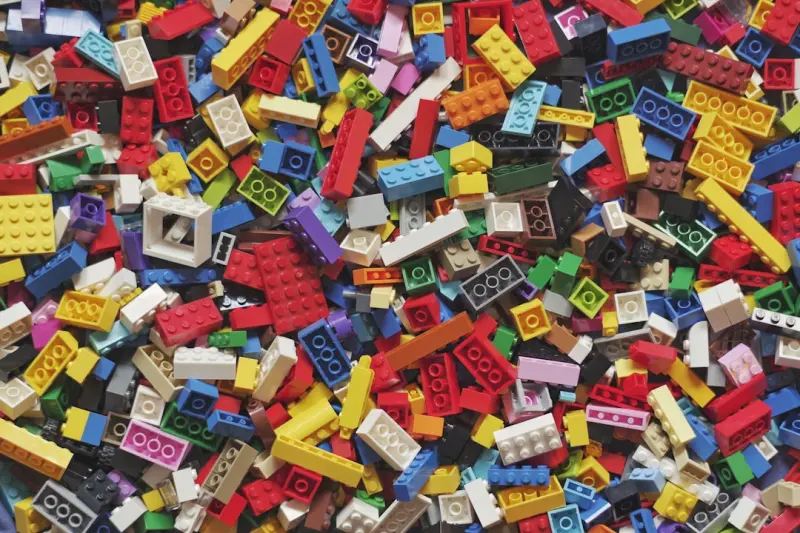
The Secret Life of Augmented Reality Toys: Blending Digital and Physical Play
Augmented reality toys are turning living rooms into adventure zones, letting kids interact with dig... Read More
The Timeless Charm of Collectible Toys: A Collector's Perspective
Collectible toys have the power to evoke strong emotions and memories, and have been a beloved part ... Read More

The Magic of Collectible Toys: A Journey Through Time
Collectible toys have a way of tapping into our sense of nostalgia, evoking memories of childhood an... Read More
Top Posts
Turning Every Page Element into an SEO Asset
Every on‑page element—from button labels to image alt text—can boost SEO when aligned with user intent. This guide shows how to audit, optimize, and futur...Read More

Unlocking LinkedIn’s Hidden Search Signals for B2B SaaS Leaders
Learn a step‑by‑step strategy to turn LinkedIn into a searchable, lead‑generating asset for SaaS companies, covering profile optimization, content formats...Read More

Hyper‑Local SEO: Mapping Micro‑Geography for Real‑World Growth
Learn why hyper‑local SEO—targeting micro‑areas, voice queries, and real‑time events—outperforms traditional tactics, and get a step‑by‑step playb...Read More
The Mobile-First Revolution: How to Optimize Your Website for Mobile SEO
Optimize your website for mobile SEO with expert tips from Karen Edwards. Learn how to prioritize mobile-friendliness, page speed, and content strategy to drive...Read More
0 Comments
Post Comment
You will need to Login or Register to comment on this post!